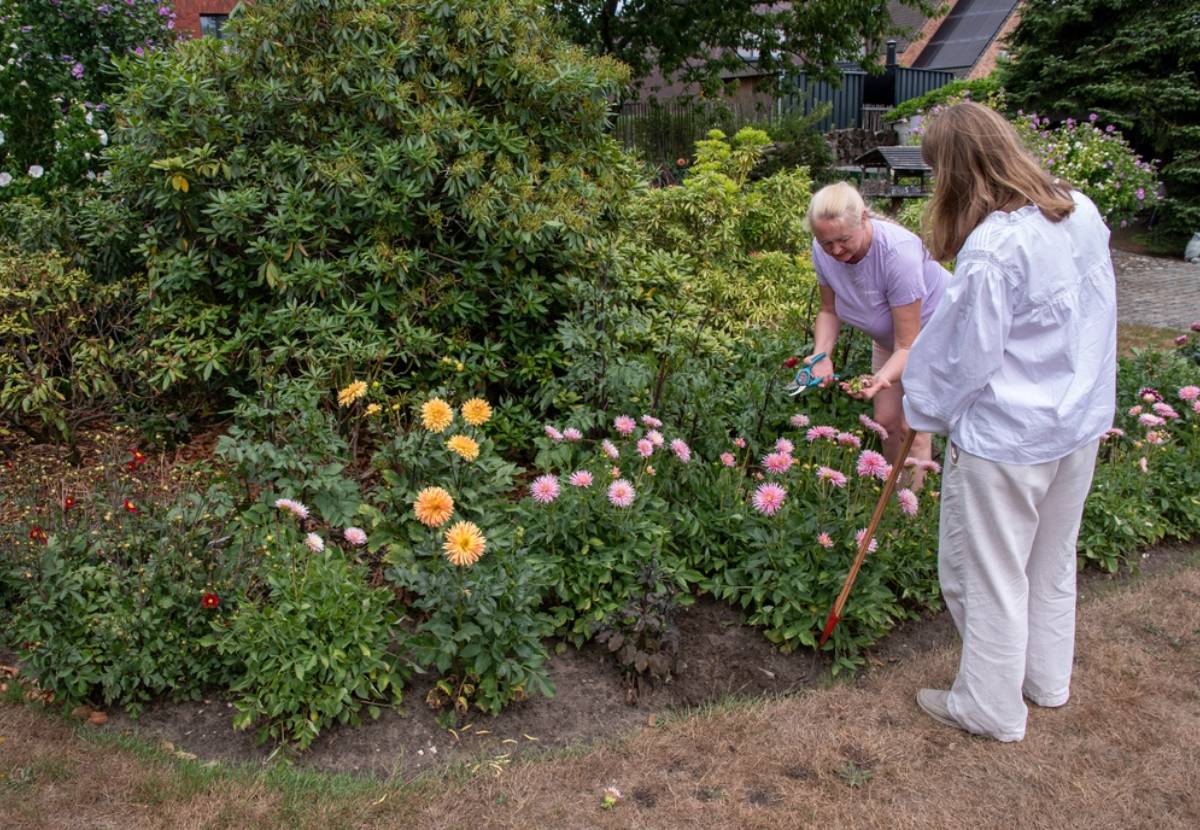
Homeowner Says Her Neighbor Suggested They Combine Their Yards Into One Shared Garden, Then Stopped Doing Any Work the Moment She Agreed
When my neighbor first suggested turning the space between our homes into one large shared garden, it sounded like a wonderful idea. We both enjoyed gardening, our yards connected without a fence, and we talked often about how much more we could grow together.
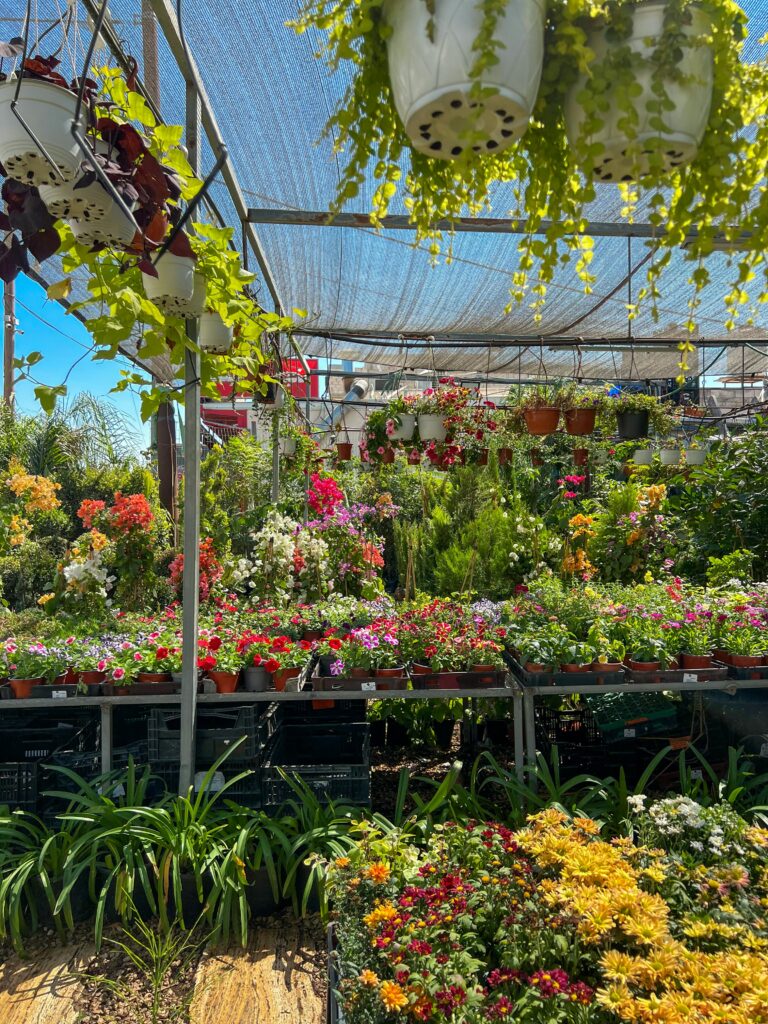
She described colorful flower beds, raised vegetable boxes, and a peaceful sitting area where both families could relax. The project seemed like it would strengthen our friendship while making both properties more beautiful. I never imagined I would end up maintaining nearly the entire garden by myself.
The Planning Sessions Filled Us With Excitement
For several weekends, we sat on my patio sketching layouts on graph paper. She enthusiastically picked out flower varieties and even researched fruit bushes that would thrive in our area. Every conversation ended with another ambitious idea for expanding the space. She insisted this would be a true partnership where every decision and every task would be shared equally. I believed every word she said.
The First Weekend Set the Pattern
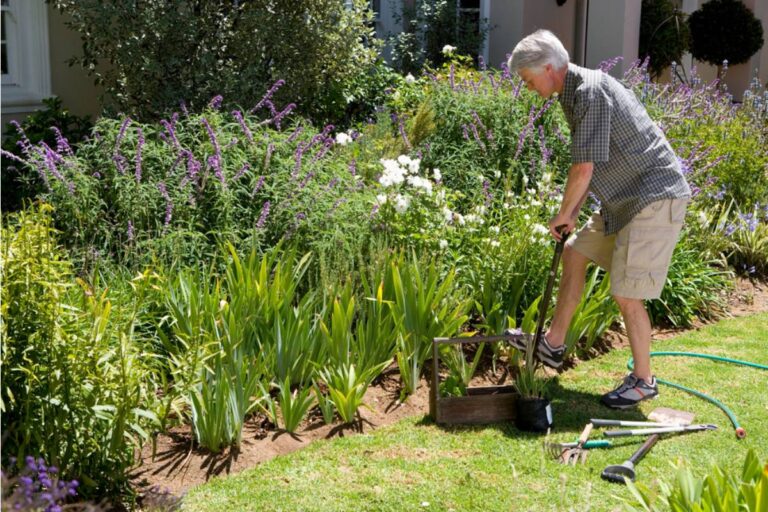
We agreed to spend Saturday preparing the ground together. I rented equipment, bought compost, and started early because we had a long list of projects. She walked outside with a cup of coffee, admired the plans for a few minutes, then said she needed to run a quick errand. Hours passed before she returned, and by then I had already finished most of the digging alone. She thanked me for getting such a great start and promised to help even more next weekend.
Excuses Became More Creative Each Week
The following weekends followed the same routine. One week she claimed family was visiting unexpectedly. Another time she remembered an appointment she had forgotten to mention. Sometimes she simply waved from her porch while I hauled soil, planted shrubs, and assembled raised beds. Somehow there was always a reason she could not participate once the physical work began.
Visitors Assumed We Were Equal Partners
Friends and neighbors often stopped to compliment the growing garden. Before I could answer, my neighbor proudly explained how much planning had gone into creating the space. She loved describing the vision behind each flower bed and vegetable row. Most people naturally assumed we had built everything together. I found myself smiling politely instead of correcting the story.
The Watering Schedule Quietly Disappeared
As summer arrived, we agreed to alternate watering duties every other day. During the first week, she watered once before saying her schedule had become too busy. The responsibility gradually shifted entirely onto me without another discussion. Whenever plants looked especially healthy, she pointed them out with obvious pride. Whenever weeds appeared, she mentioned that someone should probably take care of them soon.
Harvest Time Brought Another Surprise
When tomatoes, peppers, cucumbers, and herbs finally ripened, my neighbor suddenly became much more involved. She invited relatives to see the impressive shared garden and proudly handed out baskets of fresh vegetables. One afternoon, I watched her harvest vegetables I had planted, watered, fertilized, and supported all season. She thanked me for keeping everything looking so nice. That sentence stayed with me long after the conversation ended.
A Family Member Asked an Honest Question
My sister visited one weekend and spent the afternoon helping me pull weeds. After watching my neighbor relax on her deck for nearly an hour, she quietly asked whether the arrangement had always been this one sided. I admitted it had gradually become that way without me noticing. Saying it out loud made the situation impossible to ignore. I realized I had been protecting an unfair agreement simply to avoid conflict.
One Weekend I Stayed Inside
The following Saturday, I deliberately left the garden untouched. Weeds continued growing, several plants needed tying, and ripe vegetables remained on the vines. I wanted to see whether my neighbor would finally step in. Instead, she knocked on my door later that afternoon and asked if I planned to work in the garden because it was starting to look neglected. Her question genuinely caught me off guard.
The Conversation Became Impossible to Avoid
I invited her to sit on the patio so we could talk honestly. I explained everything I had been doing since the project began and how little help I had actually received. She looked surprised and insisted she contributed by researching plants and coming up with creative ideas. I acknowledged that planning mattered, but ideas alone were not keeping the garden alive. For the first time, she had no immediate response.
A Neighbor Offered an Unexpected Perspective
An older neighbor who had watched the project develop over the months stopped by a few days later. He gently mentioned that partnerships often fail when one person mistakes enthusiasm for participation. He admitted he had considered offering to help because he rarely saw anyone besides me doing physical work. Hearing that from someone outside the situation confirmed I was not imagining the imbalance. His words gave me the confidence to make changes.
The Garden Found New Boundaries
We agreed to divide the space again using low decorative borders and separate planting areas. Each of us would maintain our own section while still enjoying the overall appearance of the combined landscape. Surprisingly, the arrangement immediately reduced tension between us. I no longer felt responsible for tasks that should have been shared. She also stopped making promises she could not keep.
The Friendship Improved Once Expectations Changed
By the following season, both gardens reflected the effort each homeowner chose to invest. We still chatted over the fence, exchanged extra vegetables, and admired each other’s flowers, but there was no confusion about responsibility anymore. Looking back, I realized the shared garden itself had never been the problem. The real issue was assuming that equal excitement automatically meant equal commitment. Once we understood that difference, both the garden and our friendship finally had room to grow.