Homeowner Says Her Neighbor Turned a Shared Hallway Into a Compost Holding Area, Then One Summer Week Made the Entire Entrance Impossible to Ignore
A person shared her story after realizing that leaving her apartment had become an unexpected battle against the smell of garbage and compost. Her neighbor had been storing bags of trash and food scraps in the shared hallway, leaving the narrow entrance smelling awful whenever she stepped outside. What made it especially frustrating was that there were only two apartments using that entrance, so there was no mystery about who would be blamed if she complained.
The problem was not just an occasional bag waiting for pickup. The compost could apparently sit outside for days, including during the middle of summer, turning a shared space into something that felt more like an unattended garden waste station. The person had reached the point where opening her own door meant immediately wondering what was waiting in the hallway.
The Compost Had Become Part of the Hallway Decor
At first, the person tried to give the situation some patience. People compost, people have garbage, and sometimes taking something outside gets delayed for a little while. But when food waste and other trash remain in a warm hallway for days, patience can start disappearing almost as quickly as the smell.
The unusual part was that the hallway was not being treated as temporary storage once in a while. It had effectively become the neighbor’s holding area for organic waste and garbage. Instead of living alongside a tidy little compost routine, the person felt like she had been drafted into one without ever agreeing to participate.
She Had Already Tried Being Nice
The person later clarified that she had actually spoken to her neighbor directly months earlier. She brought up the compost that had been sitting in the hallway during the summer and explained that it was becoming a problem. According to her, the neighbor apologized repeatedly and seemed to understand the complaint.
That should have been the end of the story, but nothing really changed. The same hallway continued receiving bags of waste, leaving the person in the awkward position of having already asked politely and still dealing with the same problem. At that point, the issue was no longer about whether the neighbor knew it was happening.
Then She Started Thinking About What Comes Next
The smell was bad enough, but the person began worrying about what might happen if food waste kept accumulating there. A response from a person pointed out that exposed organic waste can create opportunities for flies and other pests, while another suggested that rodents could become a concern. Those responses shifted the conversation from simple annoyance to the possible consequences of letting food waste sit around.
Not everyone focused on exactly the same pests, however. A person who identified himself as working with pest control gave a more specific explanation, saying that certain indoor roach problems would not necessarily be caused by this kind of waste unless those pests were already present. He did agree that flies and rats could be possibilities, which was enough to make the hallway situation sound considerably less harmless.
The Lease Was Sitting Right There
The person already suspected that the behavior violated the apartment rules. She mentioned that storing garbage in the hallway was against the lease, yet she was nervous about reporting it because there were only two tenants sharing the entrance. Even an anonymous complaint would be easy for the neighbor to trace back.
That fear created the story’s central dilemma. The person was not trying to start a neighborhood war or create drama between the two apartments. She simply wanted to walk through her own entrance without feeling like she was entering a garbage area every morning.
A Response From a Person Suggested Going to the Landlord
Several responses from people suggested the most straightforward move was to contact the landlord. The reasoning was that the landlord should know about a repeated hallway problem, especially after the neighbor had already been approached directly. One response even advised sending pictures and making it clear that the issue had already been discussed without success.
That approach offered something the person badly needed: distance. Instead of confronting the neighbor again, she could document what was happening and let the person responsible for enforcing the building rules handle it. For someone who was worried about being immediately identified as the complainant, that was a much less dramatic path.
Then Someone Mentioned the Hallway Itself
Another response from a person pointed out something easy to overlook. Shared hallways are not private storage closets, and many apartment buildings have rules about keeping common walkways clear. Suddenly, the issue was no longer only about the odor or the compost itself.
The hallway was a passage everyone had to use. Bags sitting there could create a problem even before anyone thought about the smell, bugs, or spoiled food. The person had originally been focused on the disgusting odor, but now she was looking at the hallway as a shared space that was being used in a way it was never intended to be.
The Garden Waste Was the Weirdest Part
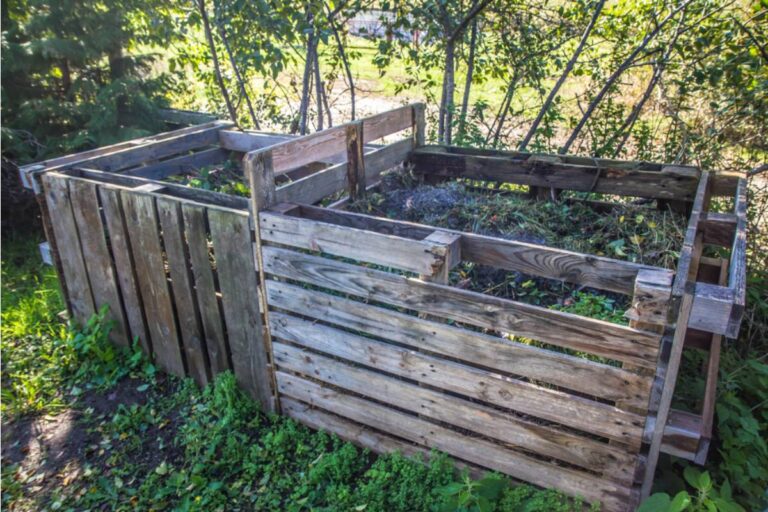
There was an odd irony at the heart of the whole situation. Composting is usually associated with gardens, healthy soil, vegetable beds, and reducing household waste. Yet here, the composting effort had escaped the garden entirely and moved into an apartment hallway.
The idea of turning kitchen scraps into useful compost is normally a positive gardening habit, but the location mattered. A compost pile belongs somewhere it can be managed properly, not somewhere two tenants have to walk past on their way outside. The person was not arguing against composting itself; she was objecting to becoming the unwilling audience for it.
Some People Suggested Extreme Solutions
As expected, a few responses from people went far beyond simply reporting the issue. Suggestions included moving the bags near the neighbor’s door, blocking the doorway with them, or even disturbing the bags and spreading the contents around. The more outrageous ideas were clearly aimed at making the neighbor experience the problem personally.
Other responses immediately pushed back on that kind of retaliation. One person pointed out that cameras could make such a stunt a terrible idea, while another argued that escalating the conflict would be exactly the wrong way to build a decent relationship between neighbors. The disagreement revealed just how quickly a smelly compost problem can turn into a full-blown feud when people stop thinking about the original issue.
The Pest Control Advice Added a Plot Twist
The pest-control response gave the story an unexpected twist because it challenged some of the assumptions being thrown around. Instead of blaming every possible pest on the hallway waste, the person explained that different pests behave differently and that some indoor infestations are not created so simply. Still, he agreed that other unwanted visitors could be attracted by accessible food waste.
That distinction mattered because it gave the person something more useful than pure panic. She did not necessarily need to assume that every insect in the building would suddenly appear. She did, however, have a legitimate reason to want food waste removed from the shared hallway before it became a larger nuisance.
Then the Neighbor’s Household Entered the Story
The person explained that she had even offered to help with taking the waste outside. That offer had not been accepted, and she noted that a young man living with the neighbor regularly walked past the bags on his way outside for a smoke. To her, the situation became difficult to understand because someone appeared to be passing the bags anyway.
That detail changed the tone from simple forgetfulness to something more frustrating. The person was not merely watching an isolated mistake happen once or twice. She was watching a problem remain in place while people in the household continued walking past it every day.
The Summer Heat Made Everything Worse
The story became especially memorable because the compost had reportedly been left sitting in the hallway during summer. Warm weather can make food waste smell dramatically more noticeable, so the timing turned an irritating habit into something the person could not easily ignore. Every day that passed made the hallway feel less like a shared entrance and more like a storage area for decomposing scraps.
She had already tried a polite conversation, and that conversation had produced plenty of apologies but no lasting change. The apologies therefore became almost part of the pattern themselves. Each one sounded reassuring in the moment, only for the same bags to appear again later.
Then People Started Talking About the Next Step
The strongest recurring suggestion was to stop handling the problem privately and involve the landlord. A response from a person recommended documenting the situation with photographs and explaining that the neighbor had already been asked politely to stop. The goal was not revenge, but getting the person with authority to address a repeated problem.
Some responses also mentioned contacting local authorities responsible for building, fire, or health concerns if the landlord refused to act. Those suggestions were framed as possible escalation paths rather than the first move. For the person telling the story, that distinction mattered because she had already tried the neighbor-to-neighbor approach and was looking for a way forward without turning the situation into a personal fight.
The Person Finally Decided to Report It
Eventually, the person revealed that the responses had encouraged her to contact the landlord. That was the moment the story finally moved out of the hallway and into the hands of someone who could actually enforce the apartment’s rules. Instead of another awkward conversation beside the compost bags, there would now be a formal complaint backed by a history of the problem.
It was a surprisingly calm ending to a situation that could easily have become much uglier. The person did not dump the bags at the neighbor’s door, start a shouting match, or launch a revenge composting campaign. She simply took photographs, explained that the polite approach had already failed, and let the building’s management decide what happened next.
The Real Gardening Lesson Was About Where Compost Belongs
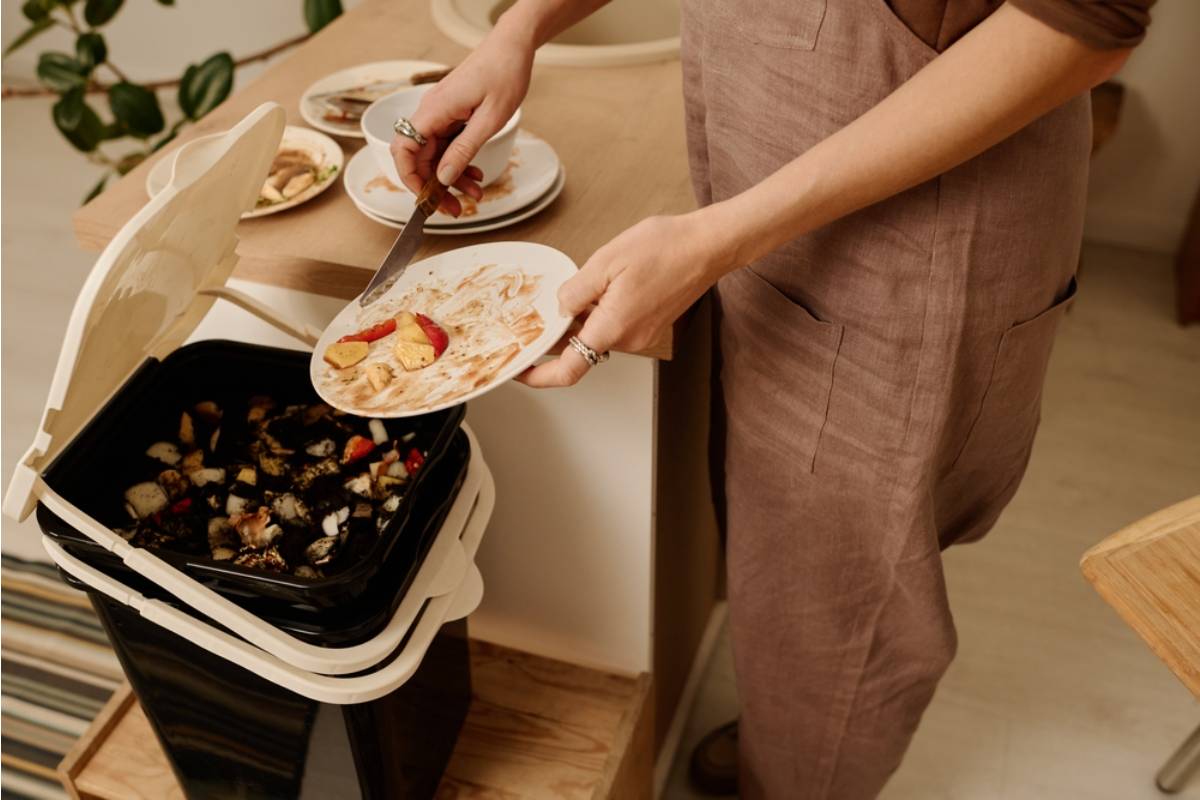
There was an important gardening lesson hiding beneath all the apartment drama. Composting can be a great way to handle organic kitchen and yard waste, but the method and location matter just as much as the intention. A managed compost pile, sealed container, or appropriate collection system is very different from leaving food waste in a shared passageway.
The person telling the story never objected to the idea of composting itself. Her problem was that the neighbor’s system had effectively turned a common entrance into temporary storage for decomposing material. In a strange way, the story was a reminder that even the best gardening habits can become a nuisance when they spill into someone else’s living space.
What Started as Composting Became a Neighbor Problem
By the end, the strangest part of the story was how easily a seemingly harmless household habit had turned into a building-wide annoyance for one person. Composting had started with an environmentally friendly idea, but leaving food scraps in the wrong place transformed that idea into a daily source of bad smells and tension. The person had tried patience, then conversation, then even an offer to help.
Nothing changed until she finally decided the issue needed to be reported. What began as a few bags in a hallway had become a miniature neighborhood mystery involving compost, garbage, summer heat, pest concerns, lease rules, and a neighbor who apparently kept walking right past the evidence. Sometimes the biggest gardening lesson is not about what to put in the compost bin, but knowing exactly where that bin belongs.