Homeowner Says Her Neighbor Turned His Balcony Into a Wildlife Buffet, Then the Rats Started Treating Her Garden Like Their Private Dining Room
A person shared his story about living in a dense city neighborhood where rats were nothing new, but the situation in his garden suddenly became impossible to ignore. For years, he had accepted the usual urban pests and carefully kept his own property clean. Then his neighbor began feeding wildlife from the balcony, and the backyard ecosystem took a very unexpected turn.
It Started With a Few Nuts
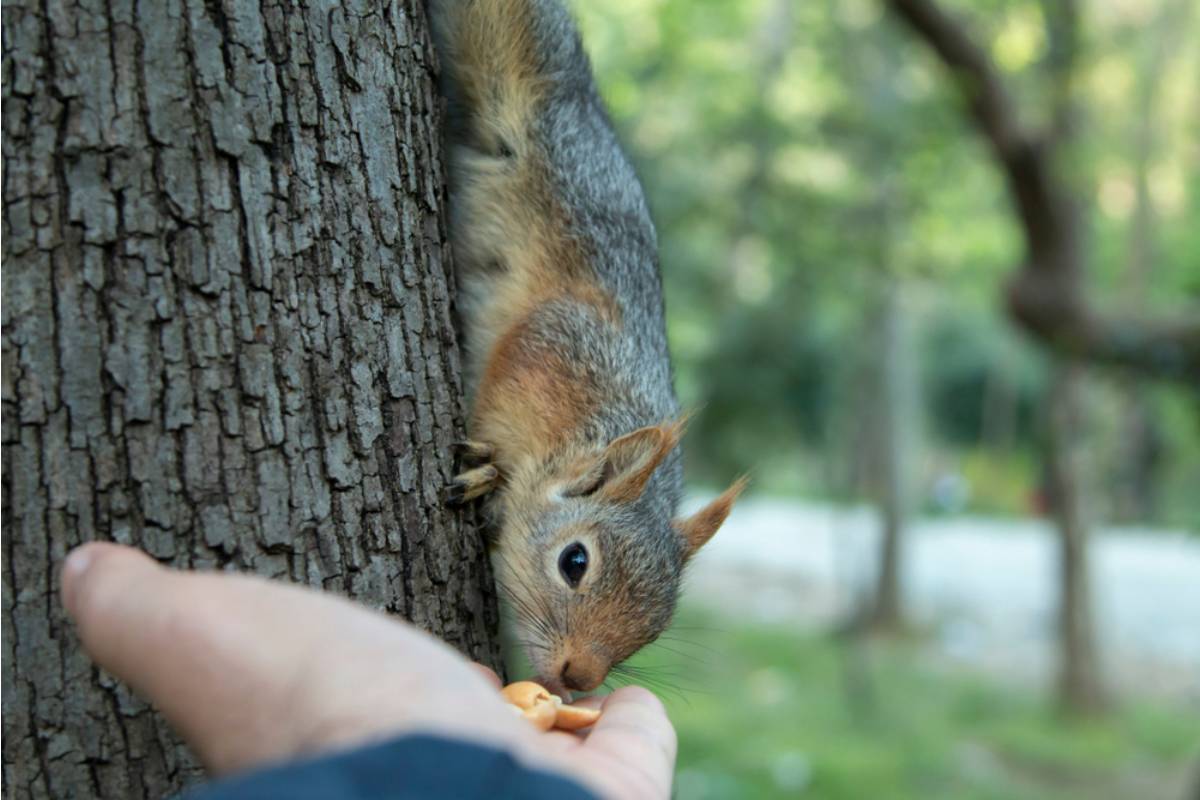
At first, the neighbor’s new hobby seemed almost charming from a distance. He began tossing nuts to squirrels and food to pigeons from his second-floor outdoor space, apparently enjoying the parade of hungry visitors. The homeowner tried to tolerate it because nobody wants to be known as the person who complains about a few birds and squirrels.
The trouble was that the animals did not understand the boundaries between properties. Nutshells began appearing everywhere, while squirrels dug through potted plants looking for places to hide their snacks. Before long, the garden looked less like a carefully maintained outdoor space and more like a woodland treasure hunt.
The Squirrels Declared War on the Planters
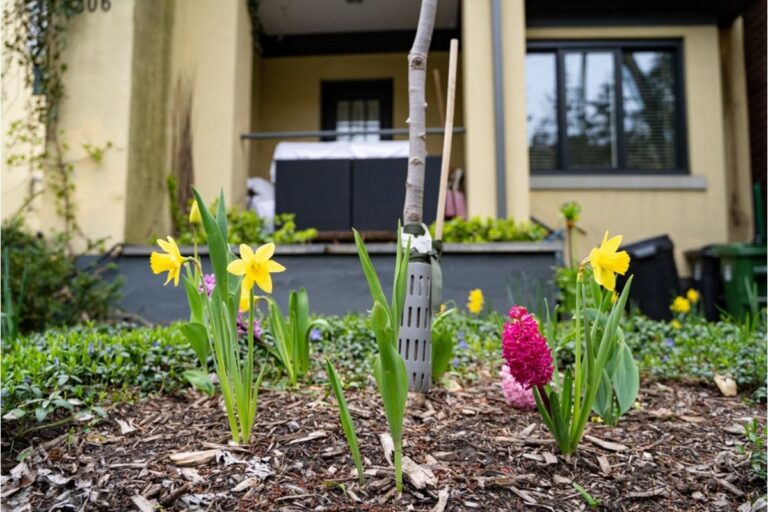
The potted plants were among the first victims of the new feeding routine. Squirrels buried nuts in the soil, leaving freshly disturbed dirt and damaged plants behind. Every time the homeowner restored a planter, another furry visitor seemed determined to redesign it.
The damage did not stop at the soil. The squirrels also chewed through lights hanging around the porch, turning a simple decoration into another casualty of the feeding frenzy. What had started as an annoying inconvenience was slowly becoming a daily maintenance problem.
Then the Pigeons Joined the Party
The pigeons brought their own form of chaos to the garden. Their constant visits left droppings across outdoor furniture, making it difficult to sit outside without first cleaning everything. The homeowner initially decided that even this could be tolerated.
After all, city living comes with certain compromises. A few dirty chairs and scattered shells seemed manageable compared with starting a neighborhood feud. Unfortunately, the biggest problem had not even arrived yet.
The Rats Found the Free Buffet
Eventually, the squirrels and pigeons were joined by guests nobody had invited. Rats began appearing around the back area with increasing regularity, and the homeowner noticed a disturbing pattern. They were not simply passing through the neighborhood but actively climbing the stairs toward the neighbor’s balcony in search of food.
The timing made the feeding routine impossible to ignore. For twenty years, the homeowner had dealt with ordinary urban wildlife without seeing anything close to this level of rat activity. Now the rodents seemed to have discovered a dependable restaurant operating just upstairs.
The Garden Became a Rat Highway
The rats did not remain politely near the neighbor’s property. They began appearing on the homeowner’s porch and moving through the shared outdoor area as though they had been given a permanent invitation. Suddenly, sitting outside meant keeping an eye on the ground instead of enjoying the garden.
For someone who had spent years maintaining plants and outdoor furniture, this changed everything. The porch had once been a relaxing extension of the home. Now every rustle in the bushes made the homeowner wonder whether another rat was about to appear.
The Homeowner Tried Asking Nicely
Instead of immediately reporting the neighbor, the homeowner chose the diplomatic route. Several times, he asked the neighbor to stop feeding the wildlife because the food was clearly making the area more attractive to rats. He was careful not to accuse the neighbor of personally causing every rat problem in the neighborhood.
That approach did not work. The neighbor insisted that rats were simply part of city life and argued that the feeding was not responsible for the increase. The homeowner was essentially told to deal with the problem himself.
The Evidence Became Impossible to Ignore
Eventually, the homeowner captured video of a rat climbing the stairs toward the neighbor’s balcony. He sent the video because he believed it demonstrated exactly what he had been trying to explain. Instead of solving the argument, the footage created an entirely new one.
The neighbor accused him of stalking and complained that he should not be bothered because he was unemployed and going through a difficult period. That response left the homeowner in an uncomfortable position. He could understand someone having financial problems, but he could not figure out why that should mean everyone else had to live with the consequences.
The Other Neighbors Were Already Frustrated
This was not simply a feud between two people. Other residents had also approached the neighbor and asked for the feeding to stop. Everyone appeared to understand that the growing rat problem required cooperation rather than one person pretending it did not exist.
Unfortunately, the other owners were reluctant to escalate the situation. Their condo association was small and self-managed, leaving the homeowner without a professional management office to handle the conflict. The unofficial neighborhood solution had effectively become everyone hoping someone else would make the uncomfortable call.
The Condo Association Was Out of Ideas
The homeowner had already tried involving the association, but there was little appetite for confrontation. Other owners apparently agreed with the concerns but did not want to push matters further. That left the homeowner stuck between wanting peace and wanting his garden back.
Meanwhile, the rats were not waiting for the paperwork. Every day the wildlife buffet remained open was another opportunity for rodents to find food. At that point, the garden problem was beginning to look less like a personal disagreement and more like a community nuisance.
Even the City Had Been Called Before
The homeowner had already contacted the city to assess and bait the rat problem. He also made sure every garbage container on his own property was securely closed until collection. In other words, he was not simply blaming the neighbor while ignoring his own responsibilities.
He even spoke with surrounding neighbors and discovered that they were taking similar precautions. Everyone was locking down trash and trying to remove food sources. Yet one balcony continued offering a convenient alternative, which made the whole effort feel like trying to empty a bathtub while somebody kept turning the faucet back on.
A Response From a Person Offered a Different Perspective
A response from a person pointed out that feeding wildlife does not give the feeder complete control over which animals show up. Squirrels and pigeons may be the intended guests, but rats are perfectly capable of following the same food trail. The observation made the whole situation sound less surprising and much more predictable.
Another response suggested that feeding wildlife can be done more carefully by controlling portions and using methods that discourage unwanted animals. That detail introduced an interesting twist because the issue might not have been the desire to enjoy wildlife itself. The real problem was the careless way the food was being offered in a crowded urban environment.
The Garden Was Paying the Price
By this stage, the consequences had spread far beyond a few scattered nuts. Plants were being dug up, porch lights had been damaged, furniture needed constant cleaning, and rats were becoming routine visitors. A garden that once provided peace had turned into the center of an ongoing wildlife battle.
The homeowner also worried about the broader consequences of a growing rodent population. He did not want to spend every evening inspecting corners of the porch before stepping outside. The simple goal was surprisingly modest: he wanted to sit in his own outdoor space without feeling as though he had wandered into somebody else’s feeding station.
Unemployment Was Not the Real Issue
The neighbor’s unemployment made the decision emotionally harder for the homeowner. He understood that a potential municipal fine could be especially difficult for someone already struggling financially. Still, the homeowner had to consider whether another person’s financial situation should determine how long the problem continued.
Several responses emphasized that the unemployment issue should not distract from the actual dispute. The question was not whether the neighbor deserved sympathy. It was whether knowingly continuing a behavior that attracted pests was fair to everyone else living nearby.
The Final Step Was Suddenly on the Table
After direct conversations, association involvement, city inspections, and repeated precautions failed to solve the problem, reporting the feeding became the remaining option. The homeowner was not looking for revenge or trying to punish his neighbor simply for having a hobby. He wanted the behavior causing the repeated nuisance to stop.
That distinction became the heart of the entire story. He had already given the neighbor multiple opportunities to change course without involving authorities. If a city ordinance existed specifically to prevent wildlife feeding from creating problems like this, using that system was no longer an impulsive reaction but the next step after every informal option had failed.
Then Came the Gardening Twist
The strangest part of the story was that the homeowner never actually wanted the wildlife to disappear completely. He had spent years living alongside squirrels, pigeons, birds, plants, and all the ordinary quirks of an urban garden. What he wanted was a balance where his plants could grow without being dug up and his porch could remain usable.
In the end, the person who loved feeding wildlife may have accidentally created the exact environment that made everyone hate the wildlife. The garden had become a stage where good intentions, neglected boundaries, and hungry animals collided. The twist was that the biggest pest problem was not hiding in the garden at all, but arriving from a balcony where someone believed he was simply being kind to animals.