Homeowner Says Her Neighbor’s New Driveway Extension Now Sheds Rainwater Directly Into Her Vegetable Beds, Now Her Soil Stays Flooded After Every Storm
The problem started right after the neighbor replaced his old cracked driveway with a wider concrete extension. At first, the change looked like a simple upgrade, cleaner lines and a smoother surface that made the property look newer. But the first heavy rain revealed something unexpected happening along the shared property edge. Water that used to spread evenly across both yards suddenly began rushing in one direction. It was heading straight toward the vegetable beds.
First storm reveals the runoff pattern
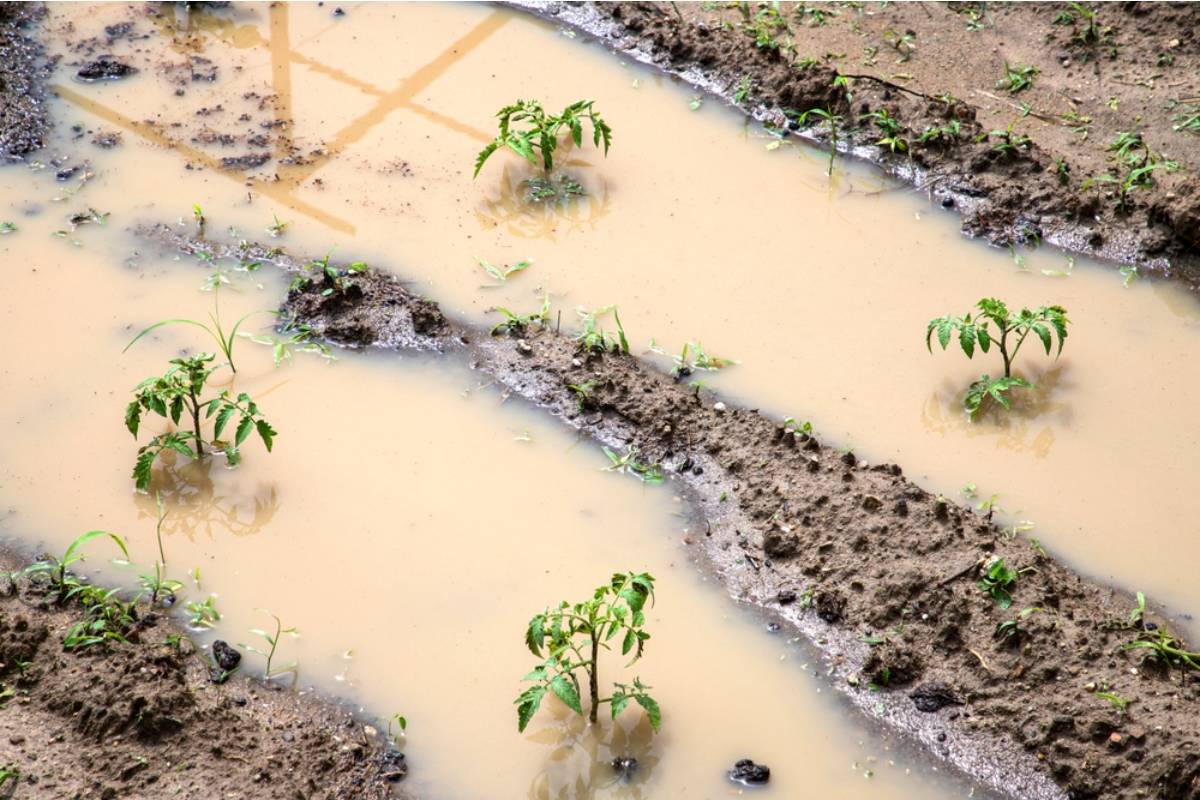
During the first major rainfall after construction, the homeowner noticed streams of water cutting across her garden path. The flow was faster than anything she had seen in that spot before. It pooled directly in the raised vegetable beds near the fence. Soil that had been carefully prepared began collapsing under the sudden saturation. By morning, the beds looked partially submerged.
Raised beds start holding water longer
After that initial storm, the soil did not recover quickly like it normally would. The beds stayed damp for days, with water sitting below the surface. Roots in shallow sections of lettuce and herbs began showing signs of stress. The gardener checked drainage channels but found nothing blocked. The issue seemed tied to external flow rather than internal soil problems.
Neighbor insists nothing changed in drainage
When she mentioned the flooding to the neighbor, he said the driveway was built to standard slope requirements. He claimed water naturally follows the land and nothing had been redirected. The homeowner pointed out that flooding only began after the extension was poured. He responded that heavy rain can make any yard behave differently. The conversation ended without agreement.
Second storm makes the problem worse
The next rainfall was stronger and brought even more runoff into the garden. Water moved like a narrow channel along the concrete edge before spilling into the vegetable beds. The soil turned muddy and heavy, pulling down young plants. Some seedlings tilted or disappeared under sediment. It was no longer an occasional issue but a repeating pattern.
Small erosion line appears along fence
With repeated water flow, a shallow trench formed between the driveway and the garden edge. This channel guided even more water into the same section of soil. The fence line began showing exposed roots from nearby plants. Mulch was completely washed away in some areas. The garden structure was visibly changing after each storm.
Homeowner documents the flooding
She began taking photos after every rainfall to track the damage. The images showed increasing water depth and soil displacement over time. In one video, runoff could be seen pouring directly off the driveway edge into her beds. She saved each recording in case she needed proof later. The pattern became undeniable even without technical measurements.
Contractor revisits the property
The neighbor eventually called the contractor back to inspect the situation. The contractor walked along the driveway edge and watched water flow during a light test spray. He acknowledged that the slope directed runoff toward the garden side. However, he said correcting it would require partial reconstruction. That answer did not resolve the conflict.
Temporary barrier attempt fails
The neighbor placed a low plastic edging strip along the border in an attempt to redirect water. It worked briefly during light rain but failed during heavier storms. Water simply overflowed the barrier and continued into the vegetable beds. The gardener pointed out that surface fixes would not handle the volume. The problem required structural change, not cosmetic adjustments.
Vegetable beds begin losing soil structure
After multiple flooding cycles, the soil in the raised beds became compacted and uneven. Nutrient rich topsoil started washing deeper or spilling out entirely. Plants that once grew steadily now struggled to establish roots. Some sections had to be replanted entirely. The garden was no longer stable between storms.
A third party assessment is requested
The homeowner contacted a local landscaping consultant to evaluate the drainage issue. The consultant observed that the driveway slope concentrated runoff toward the lowest adjacent point. He explained that even a small grade change could redirect large volumes of water. His report confirmed the garden was receiving concentrated flow. The issue was structural rather than seasonal.
Formal complaint reaches local authorities
With documentation in hand, the homeowner submitted a complaint to the local property compliance office. They scheduled a site review to assess water drainage impact. Both properties were inspected during a controlled water test. Officials observed clear runoff direction into the garden beds. The findings supported the homeowner’s concerns.
Neighbor reacts to official findings
When shown the preliminary report, the neighbor expressed frustration that the driveway was now being questioned. He said he followed standard construction advice at the time of installation. However, he also admitted he did not consider runoff impact on the adjacent yard. The realization shifted the tone of the dispute. It was no longer just disagreement but oversight.
Drainage correction plan is proposed
The recommended solution involved adding a controlled channel system along the driveway edge. This would redirect water toward a neutral drainage point instead of the garden. It required partial removal of concrete near the boundary. Both parties were informed of the scope of work needed. The fix was not simple but clearly defined.
Garden slowly begins to recover
After temporary barriers were replaced with proper drainage adjustments, flooding started to decrease. The vegetable beds still showed signs of past damage but began stabilizing. New plantings were able to take root without being washed out. The soil gradually regained structure over time. The garden remained changed, but no longer at the mercy of every storm.