Homeowner Says Her Neighbor’s Perfectly Manicured Garden Hid a Bizarre Backyard Habit, Then a Bag of “Forbidden” Recycling Appeared on Her Doorstep After Midnight
Moving into a house with friends for the first time is supposed to be an exciting adventure, complete with new responsibilities, late-night conversations, and maybe a few ambitious gardening projects. For one 20-year-old woman living off campus, the experience began with the usual adjustments of sharing a home and learning how to manage everyday chores. The neighborhood was filled mostly with college students, and many of the houses looked a little worse for wear. However, the house next door stood out for an entirely different reason.
Unlike the surrounding properties, the neighboring yard looked almost professionally maintained, with beautiful landscaping and carefully arranged plants. The older woman who lived there appeared to take considerable pride in her outdoor space, which initially seemed like a welcome sight in a neighborhood that could use some extra greenery. There was just one small problem: gardening supplies and buckets had started creeping across the property line. At first, the new residents treated it as a minor inconvenience rather than the beginning of a much stranger neighborhood saga.
The Neighbor Whose Garden Was Always Perfect
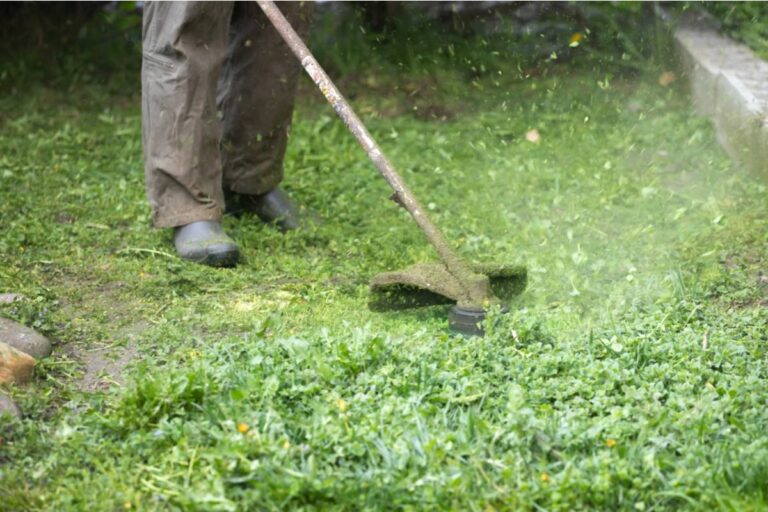
The woman next door appeared to have a serious appreciation for a tidy yard, something many gardening enthusiasts can understand. Leaves were picked up, sticks were moved around, and the landscaping seemed to receive constant attention. While some homeowners might spend their weekends relaxing on the patio, this neighbor appeared determined to keep every corner of her outdoor surroundings under control. Her dedication to cleanliness was noticeable, even before anyone realized how far it extended beyond her own property.
The young residents initially gave her the benefit of the doubt because the neighborhood had a genuine litter problem. Passersby sometimes tossed rubbish into random yards, leaving homeowners to deal with the mess. From that perspective, an older neighbor who wanted the area to look presentable did not seem particularly alarming. The trouble began when her definition of maintaining a tidy neighborhood appeared to include places that did not belong to her.
The Mystery of the Missing Compost Bin
The roommates had barely settled in when they decided to make a small environmentally friendly improvement. They applied for a municipal compost bin, hoping to handle their waste more responsibly and perhaps give future gardening projects a useful source of compost. The city’s response, however, introduced an unexpected mystery: a bin was already assigned to their property. The official even provided a serial number, suggesting that their new home had somehow acquired a composting history before they arrived.
Curiosity led the residents to investigate, and they discovered that their neighbor had the bin on her property alongside three other bins. Retrieving their assigned container was not straightforward because her secluded yard had cinder blocks surrounding the bins. Rather than immediately starting a confrontation, the roommates contacted the city and explained that the bins needed to be switched around. They assumed the situation would be handled through the ordinary channels, unaware that the compost bin was only the beginning of their unusual outdoor problems.
When Gardening Supplies Crossed the Line
The compost-bin discovery might have been an isolated mix-up, but other behavior soon made the roommates uncomfortable. One afternoon, a roommate was sitting outside doing homework when the neighbor entered their backyard and driveway. Instead of simply walking past, she began picking up items from the ground and placing them in the household’s trash cans. The young residents had not invited her over, and she had not asked whether they wanted her assistance.
The situation became even stranger when she began moving sticks and leaves from one side of the yard to the other. A gardener might reasonably collect fallen branches or tidy up a flower bed, but doing so on someone else’s property without permission creates an entirely different impression. The roommates could appreciate the desire to keep an outdoor space clean without welcoming an unexpected visitor into their backyard. Their neighbor’s landscaping habits were beginning to feel less like a harmless hobby and more like a boundary problem.
The Unusual Backyard Patrol
As the days passed, the residents noticed the woman walking around the perimeter of their house. Sometimes she appeared to be collecting litter, while at other times her presence seemed difficult to explain. The roommates were not entirely sure what she was doing, which made the repeated appearances more unsettling. Their backyard had started to feel like a place where someone might show up at any moment without warning.
There was a reasonable explanation for some of the activity, since litter from passing pedestrians could easily find its way into nearby yards. Still, the residents felt there was a difference between cleaning up a shared neighborhood area and repeatedly entering a private outdoor space. They had moved into the house expecting to manage their own chores, not to have another homeowner supervise their surroundings. Even the most enthusiastic gardening hobbyist needs to recognize where a neighbor’s responsibilities begin and end.
A Long Shift Made Everything Worse
The young homeowner worked as a paramedic, a job that could leave anyone exhausted after a demanding day. On the day the situation finally reached a breaking point, she returned home tired and was the only person in the house. She was trying to use the bathroom when a loud banging at the door interrupted her. By the time she hurried over to answer it, whoever had knocked had already disappeared.
The incident might have seemed like a minor annoyance if nothing else had happened, but the timing made it particularly frustrating. After a long shift, she wanted to relax in her own home rather than investigate mysterious knocks and unexplained activity outside. She went back to her routine and began washing the dishes, hoping the interruption was over. Then she noticed movement near the plants outside, and the neighbor appeared again with something in her hand.
The Grocery Bag That Changed Everything
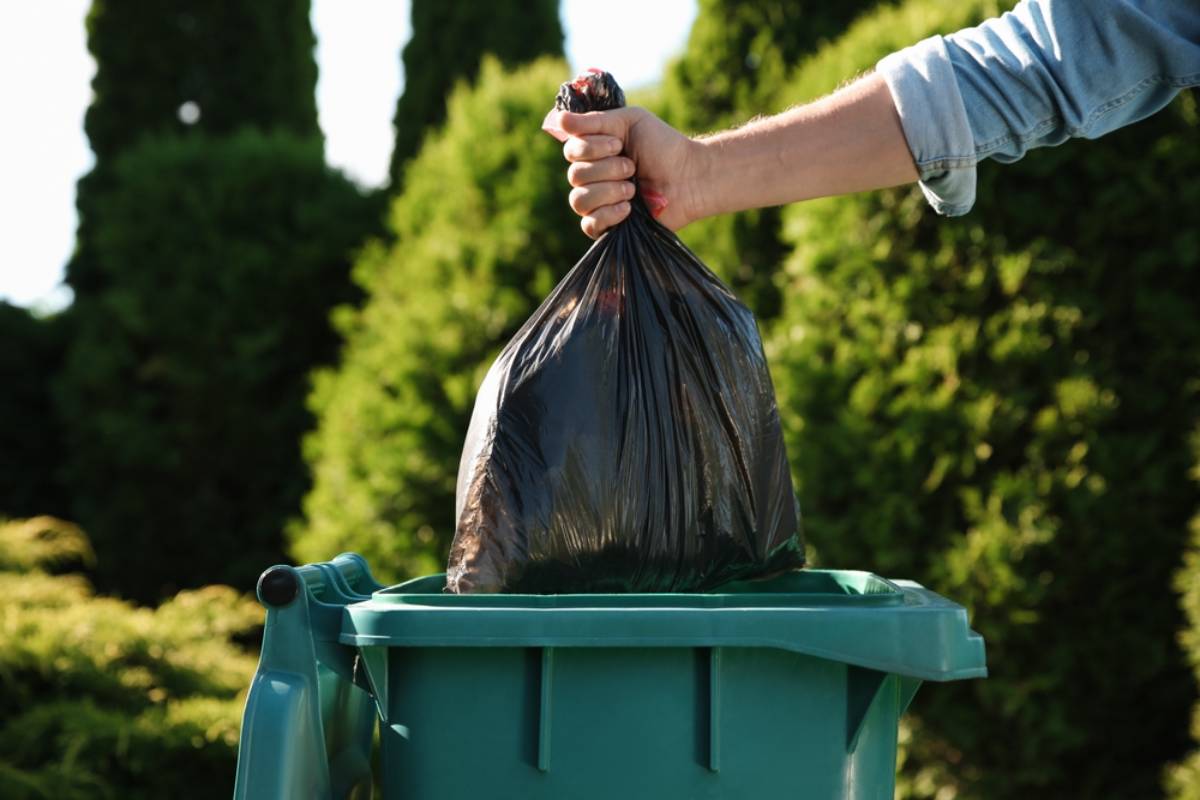
Looking outside, the resident saw her neighbor moving through the plants toward the house with a grocery bag. The older woman apparently did not notice that she was being watched, and she placed the bag on the doorstep before walking away. The young woman went outside to investigate, expecting perhaps a gardening-related note or some explanation for the repeated visits. Instead, she discovered that the bag was full of rubbish.
The discovery was bizarre enough on its own, but the writing on the bag made it even more frustrating. Her neighbor had left a note explaining that she had gone through the household’s recycling and found items she considered unacceptable. Rather than discussing the issue directly, she had apparently inspected the bins and returned the supposedly offending materials. The resident was left wondering when an ordinary recycling routine had turned into an unofficial neighborhood inspection.
The Case of the Forbidden Soda Cans
The neighbor’s note reportedly complained about unapproved items in the recycling, including soda cans and other materials that confused the young homeowner. Recycling rules can vary by location, so asking questions about an unfamiliar item is not necessarily unreasonable. However, the resident could not understand why the woman had taken it upon herself to inspect the bins and deliver the contents back to the house. The whole episode felt less like a friendly reminder and more like receiving a surprise assignment from someone who had never been asked to supervise the household.
There was another important detail that made the situation even more awkward. The resident explained that many of the items in the bag actually belonged to the upstairs neighbors in the duplex. Rather than keeping the rubbish, she placed it on the upstairs residents’ stairs so it could be returned to the people who had produced it. A simple recycling disagreement had now become a confusing game of rubbish delivery, with the neighbor apparently acting as both inspector and messenger.
Why Hadn’t She Simply Knocked?
Perhaps the most frustrating part of the incident was the lack of direct communication. The neighbor had repeatedly entered the property, handled items around the yard, and inspected recycling, yet she had never properly approached the residents to discuss her concerns face to face. If she genuinely believed the household was sorting waste incorrectly, a polite conversation might have prevented much of the tension. Instead, the residents were left piecing together the situation through unexplained visits and a bag of rubbish.
The young woman understood that the neighbor might genuinely care about keeping the area clean. However, good intentions do not automatically make intrusive behavior acceptable, particularly when someone repeatedly enters another person’s property without permission. The roommates had not asked her to collect their litter or inspect their recycling, and they were increasingly uncomfortable with her presence. What might have started as a desire to keep the neighborhood tidy had become a question of privacy and personal boundaries.
The Gardening Obsession That Went Too Far
The neighbor’s beautiful landscaping made the situation especially ironic because the residents had initially admired her outdoor space. Her yard appeared to reflect hours of effort, careful maintenance, and genuine enthusiasm for gardening. Yet the same desire for order seemed to be spilling into neighboring yards, where she was moving leaves, collecting rubbish, and handling other people’s bins. A perfectly maintained garden can be impressive, but it does not give its owner permission to manage every outdoor space nearby.
Gardening often encourages people to become more observant of their surroundings, from noticing fallen branches to spotting weeds creeping across a path. That attention can be a wonderful thing when it leads to shared projects or friendly conversations between neighbors. The problem arises when one person’s standards become an uninvited set of rules for everyone else. In this case, the resident was no longer simply dealing with an enthusiastic gardener; she was trying to figure out how to protect her household’s space from someone who seemed determined to keep it in order.
Roommates Were Hearing Activity After Midnight
The situation was not limited to daytime gardening and recycling inspections. According to the young woman, her roommates had also heard the neighbor going through their trash as late as 1 a.m. That detail made the repeated activity much harder to dismiss as an occasional misunderstanding or an innocent attempt to pick up litter. It suggested that the household’s bins were receiving attention at hours when the residents reasonably expected privacy.
For people living away from home for the first time, learning to manage disputes with neighbors can be an uncomfortable experience. The roommates did not want to start an unnecessary feud, but they also did not want to accept repeated intrusions simply because they were younger or less experienced homeowners. The late-night activity added another layer of unease to an already frustrating situation. What had begun with a misplaced compost bin had grown into a problem that affected how comfortable they felt in their own backyard.
A Response From a Person Suggested Gathering Evidence
A response from a person suggested documenting the incidents and keeping a record of what happened. That approach could help the residents establish a clear timeline, especially if the neighbor continued entering their yard or inspecting their bins without permission. A camera positioned to cover the household’s own property could also help establish what was happening, provided its use complied with local privacy laws. Rather than relying on suspicion or trying to guess the neighbor’s intentions, the residents could focus on recording specific, observable behavior.
Other responses suggested telling the neighbor directly to stay off the property and stop going through the household’s rubbish. A calm, clear boundary could make the residents’ expectations unmistakable without turning the exchange into a shouting match. If the behavior continued, keeping records and contacting the appropriate property manager or local authorities could provide a more practical route forward. The goal would be to stop the unwanted activity, not to create a second neighborhood drama over the first one.
The Compost Bin Mystery Still Needed an Answer
The recycling incident attracted attention, but the original compost-bin discovery remained an important part of the story. The city had confirmed that a bin was assigned to the residents’ property, yet the neighbor appeared to have it alongside several others. The roommates had already contacted the municipality to arrange a switch, but the unusual situation raised questions about how the bin had ended up there and why it had not been returned. Resolving that issue through the city could help establish a clear record of ownership and responsibility.
For a household trying to adopt more environmentally friendly habits, a compost bin should have been a useful addition rather than the source of a neighborhood mystery. Composting can support gardening by turning suitable organic waste into a valuable soil amendment, but it works best when everyone understands how the system is supposed to operate. The residents could continue their plans for responsible waste management without allowing the dispute to derail them. In the meantime, the city’s records offered a more reliable way to settle the bin question than another round of backyard investigations.
When a Helpful Neighbor Becomes an Unwanted Inspector
The young homeowner’s central question was whether she was overreacting or whether the neighbor’s behavior had genuinely crossed a line. On one hand, the woman appeared to care about cleanliness in an area where litter could be a problem. On the other hand, repeatedly entering someone else’s yard, going through their rubbish, and leaving unwanted bags of waste on their doorstep are very different from simply picking up a stray wrapper on a public path. The residents wanted their property respected, even if their neighbor believed she was helping.
The story offered a reminder that good neighborhood relationships depend on communication as much as consideration. Someone who loves gardening may notice every leaf, weed, and misplaced bucket, but the people next door should still be allowed to decide how their own property is managed. A friendly offer to help can build trust, while uninvited inspections can quickly destroy it. For these roommates, the challenge was no longer figuring out what belonged in the recycling bin; it was finding a way to make their backyard feel like their own again.