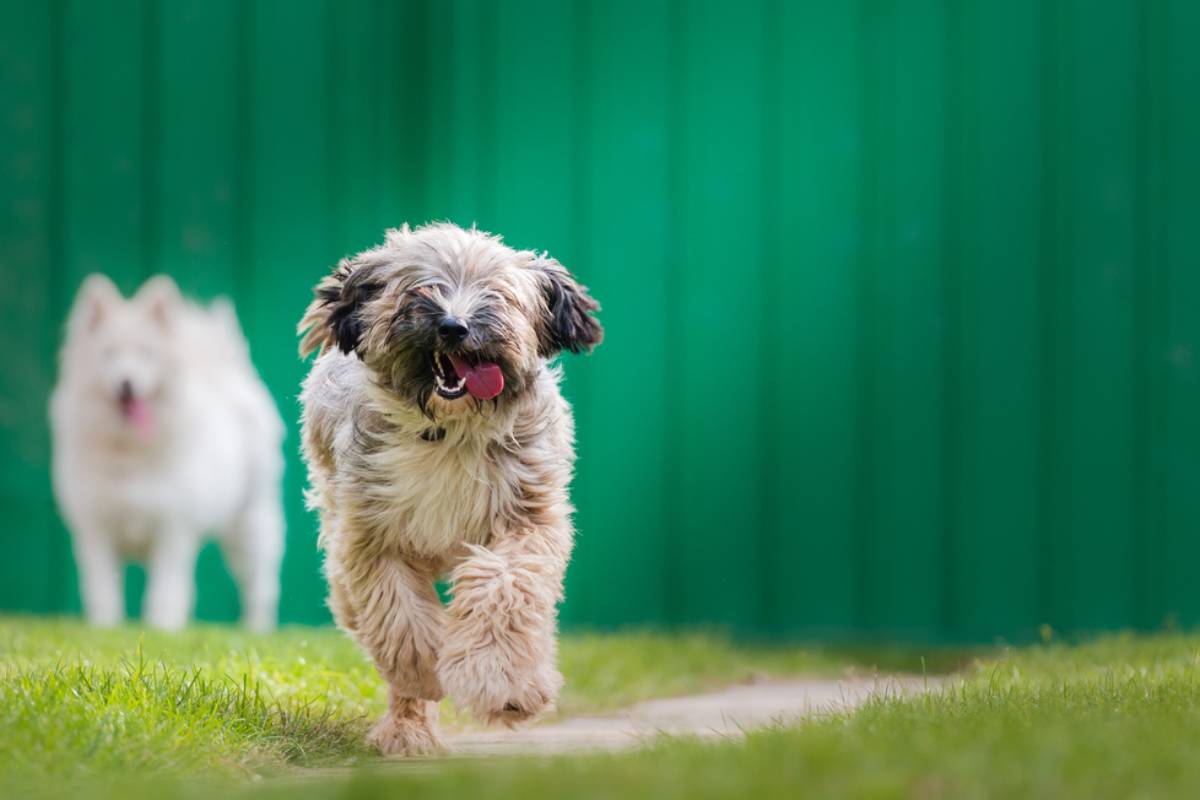
Homeowner Says Her Neighbors Turned a Shared Courtyard Into Their Dog’s Personal Playground, Then Left the Growing Pup Alone Among Her Flower Pots With No Way to Get Inside
A person shared his story about a shared apartment courtyard that had been part of his daily life for more than fifteen years. With five patios surrounding the space, tall hedges along two sides, and a couple of small gates, the courtyard offered a little pocket of greenery away from the noise of everyday life. For one resident, it was the perfect place to tend flowers, water plants, and enjoy a quiet moment outdoors.
The courtyard was not a private backyard, but everyone had their own little corner to enjoy. The resident had turned his patio into a miniature garden filled with around thirty pots of flowers, each requiring regular watering, turning, and care. It was a simple hobby that brought color to an otherwise ordinary apartment building. Unfortunately, a new four-legged neighbor was about to make that peaceful routine much more complicated.
The New Puppy Arrived With a Tiny Enclosure
A couple living on the ground floor had moved into the building several years earlier, and during the winter, they brought home a puppy. At first, the dog stayed in a small wire enclosure near the couple’s patio door, which kept it contained when it needed to spend time outside. The setup even included a potty pad, although the resident was less than impressed with how frequently the waste appeared to be removed.
As the puppy grew, however, its little enclosure seemed to become less of a boundary and more of a temporary suggestion. The dog eventually grew large enough for its head to reach around mid-thigh on an adult, making it considerably harder to ignore when it wanted attention. What had started as an occasional inconvenience was about to become a much bigger problem for the courtyard’s human residents.
Suddenly, the Whole Courtyard Became a Dog Park
Over the following months, the couple began playing fetch with their dog throughout the shared courtyard. Instead of keeping the activity close to their own patio, they increasingly used the entire common area as their personal play space. The resident who had spent years enjoying the courtyard suddenly found that a place everyone shared was becoming difficult to use comfortably.
Of course, dogs need exercise and room to play, but the problem was that the courtyard belonged to multiple residents. The flower gardener had not agreed to surrender access to the space simply because one household had acquired an energetic pet. What made the situation especially frustrating was that the owners seemed to treat the arrangement as perfectly normal, even though other people also needed to use the area.
Thirty Flower Pots Were Suddenly Caught in the Middle
For a gardener, a courtyard is more than an empty patch of concrete or a convenient place to let a pet run around. The resident had approximately thirty flower pots to maintain, and those plants needed regular attention to stay healthy and attractive. Moving between pots, checking their condition, turning them toward the light, and watering them were all part of the routine.
A dog racing around the same space introduced an entirely different set of concerns. Even without any confirmed damage to the flowers, the resident had reason to worry about whether the pots would remain undisturbed and whether tending them would continue to be comfortable. The garden was supposed to be a source of relaxation, not a place where every trip outside came with the possibility of an unpleasant encounter.
The First Barking Encounter Changed Everything
One day, the resident returned from a walk and approached the courtyard gate, only to find the dog barking loudly at the entrance. There was no owner immediately available to manage the situation, leaving the resident to deal with an animal that appeared to be guarding or challenging access to the shared space. For someone who simply wanted to get home and enjoy the garden, it was hardly a welcoming greeting.
The encounter might have been easier to dismiss as a one-time incident if it had not happened again. The resident was now beginning to realize that entering the courtyard could involve more than simply opening a gate and walking toward the flower pots. A shared outdoor area had become an unpredictable obstacle course, and the person responsible for the dog was not always there to help.
The Next Incident Happened Right Outside Her Patio Door
The situation became even more uncomfortable one evening when the resident began opening the back door to access the patio. The dog was alone in the courtyard, barking in a way the resident described as challenging, while the owners’ patio door remained closed and their blinds were drawn. There was no owner nearby to call the dog away or reassure the other resident.
For someone who had lived in the building for more than fifteen years, the experience was especially upsetting. The patio door should have been an easy entrance to a familiar outdoor space, not the starting point of a confrontation with a neighbor’s unattended pet. The resident was not asking to control someone else’s dog, but simply wanted to walk outside without feeling that the courtyard was no longer accessible.
The Owners Were Rarely Seen Around the Courtyard
Another complication was the lack of an established relationship between the households. Although the dog owners had lived in the building for roughly four or five years, the resident said they rarely spoke or interacted. That made a casual conversation about the growing problem feel less straightforward than it might have been between neighbors who already knew each other.
The resident also did not want to be placed in the position of negotiating a relationship with the dog just to reclaim access to the patio. A response from a person suggested trying to build a positive relationship with the animal, but the resident explained that this was not something they wanted to pursue. Their concern was about the owners’ responsibility to manage their pet in a shared area, rather than whether the gardener could become more comfortable around it.
A Simple Request for Space Became a Bigger Question
At the heart of the dispute was a question that comes up in apartment communities everywhere: how much freedom should one resident have when that freedom affects everyone else? The couple had every reason to enjoy their dog, but the courtyard was not exclusively theirs to use. Other residents also had a right to access their patios and common outdoor spaces without being confronted by an uncontrolled animal.
For the gardener, the issue was not about disliking dogs or demanding that every shared space remain silent. It was about having a reasonable boundary between someone else’s pet ownership and everyone else’s daily routines. When a dog is left alone in a common area and begins barking at residents, the responsibility for resolving the problem cannot reasonably fall entirely on the people trying to use that space.
The Resident Considered Leaving a Note
Because the households barely interacted, the resident initially considered whether a note might be the easiest way to communicate the concern. However, they worried that leaving a message could be viewed as intrusive or provoke an unnecessary dispute. That hesitation left them weighing the advantages of a direct conversation against the possibility that the situation might become even more awkward.
Eventually, the resident decided that the problem was serious enough to bring to the building’s management. After all, shared courtyards generally come with rules about how common areas can be used, and the owners’ arrangement appeared to conflict with the building’s expectations. Rather than trying to settle the matter alone, the resident chose to ask the people responsible for enforcing those rules to step in.
Building Management Received a Complaint
The resident reported the situation to management, explaining that the dog was being allowed to use the shared courtyard in a way that interfered with other residents. The complaint was not simply about occasional barking or the presence of a pet. It concerned a dog being left alone in a common area, where its behavior made another resident uncomfortable about accessing the patio and tending the garden.
Management reportedly told the resident that they had spoken with the couple. At first, that sounded promising, because a conversation from the building’s management might have been enough to remind the owners of their responsibilities. But the explanation the couple allegedly gave introduced another twist that made the gardener even more frustrated.
The Owners Claimed the Dog Had Escaped
According to the update, the owners blamed the incident on the dog breaking out of its enclosure. The resident rejected that explanation, saying the couple had not been telling the truth about what happened. From the resident’s perspective, the problem was not an accidental escape but a pattern of allowing the dog to occupy the shared courtyard without adequate supervision.
That distinction mattered because an escaped dog and a deliberately unattended dog present different problems. An accidental escape calls for better containment, while repeatedly leaving a dog in a common area requires the owners to reconsider their choices and how those choices affect their neighbors. The disagreement over what had actually happened made it less likely that a simple conversation would immediately restore the courtyard’s peaceful atmosphere.
Another Resident’s Dog Added to the Frustration
The situation became even more exasperating when another resident brought an older dog into the courtyard and left it alone as well. Unlike the larger, more energetic dog that had caused the original concern, this older animal reportedly did not bark. Even so, its presence added to the feeling that the common area was gradually turning into an informal place for residents to leave their pets unattended.
For the gardener, this development was the final push toward taking action. The concern was no longer limited to one couple or one particular incident, because other residents appeared to be following a similar pattern. If everyone began treating the courtyard as an unsupervised pet area, the people who wanted to use it for gardening, relaxing, or simply walking through would have increasingly little control over their own shared surroundings.
Responses Were Divided Over How to Handle the Dog
A response from a person suggested building a temporary fence around the resident’s own patio to create a clearer boundary. Another response raised the possibility of speaking with management about whether the dog exceeded the building’s permitted size or violated other lease requirements. Both suggestions focused on practical ways to address the conflict without allowing it to continue indefinitely.
Others might reasonably suggest getting to know the dog, since a familiar animal can sometimes become less intimidating over time. However, the resident made it clear that they did not want that responsibility and did not believe they should have to form a relationship with someone else’s pet to enjoy their courtyard. The disagreement highlights the difference between being neighborly and being expected to accommodate behavior that interferes with ordinary use of a shared space.
The Flower Garden Became a Symbol of the Whole Dispute
Those thirty flower pots represented more than a gardening hobby by the time the complaint was filed. They were a reminder that the courtyard had already served a useful purpose for years before the dispute began. The resident had invested time and effort into maintaining the flowers, and the garden offered a quiet activity that could be enjoyed without leaving home.
Now, that same routine had become entangled with questions about access, supervision, and responsibility. The resident wanted to water the plants, tend the pots, and walk through the courtyard without encountering an unattended dog barking at the door. It was a modest request, but one that had become surprisingly difficult to achieve in a space shared by several households.
The Final Twist Was That Management Had to Step In
The biggest development was not a dramatic confrontation or a destroyed flower bed, but the resident’s decision to stop trying to solve the problem informally. After years of living in the building, they had reached the point where management needed to address how the common courtyard was being used. The owners’ alleged explanation that the dog had escaped only deepened the resident’s frustration and reinforced the decision to report the issue.
The story ultimately raises a question that many apartment gardeners may recognize: when does being flexible with neighbors become giving up your own right to enjoy your home? Pets deserve exercise, attention, and safe supervision, while residents deserve reasonable access to shared spaces and their own patios. A courtyard can accommodate both, but only when the people using it remember that a shared garden, unlike a private backyard, belongs to everyone.