Homeowner Says a Neighbor’s Balcony Tomato Garden Was Blamed for Rising HOA Water Bills, Then the Meter Told a Very Different Story
A person shared his story after buying a condo in a small six-unit community and getting pulled into an unexpected gardening dispute. Everything seemed ordinary until the HOA president contacted him about a noticeable increase in the community’s water bill. Since every unit shared that bill through the HOA dues, the sudden increase had everyone wondering what was happening.
The president was worried that somewhere in the building there might be a hidden leak. Faucets, pipes, toilets, and other possible trouble spots suddenly became more interesting than anyone wanted them to be. Then the homeowner remembered something that had caught his attention earlier, a neighbor’s balcony overflowing with tomato plants.
The Balcony Had Become a Tiny Vegetable Farm
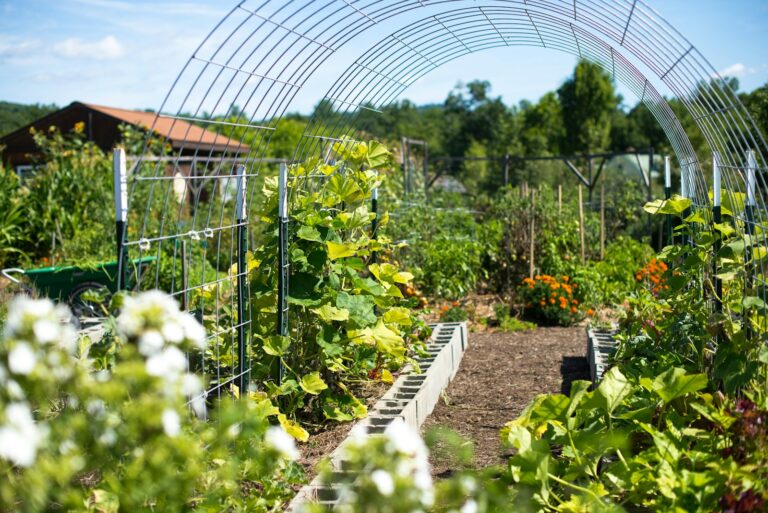
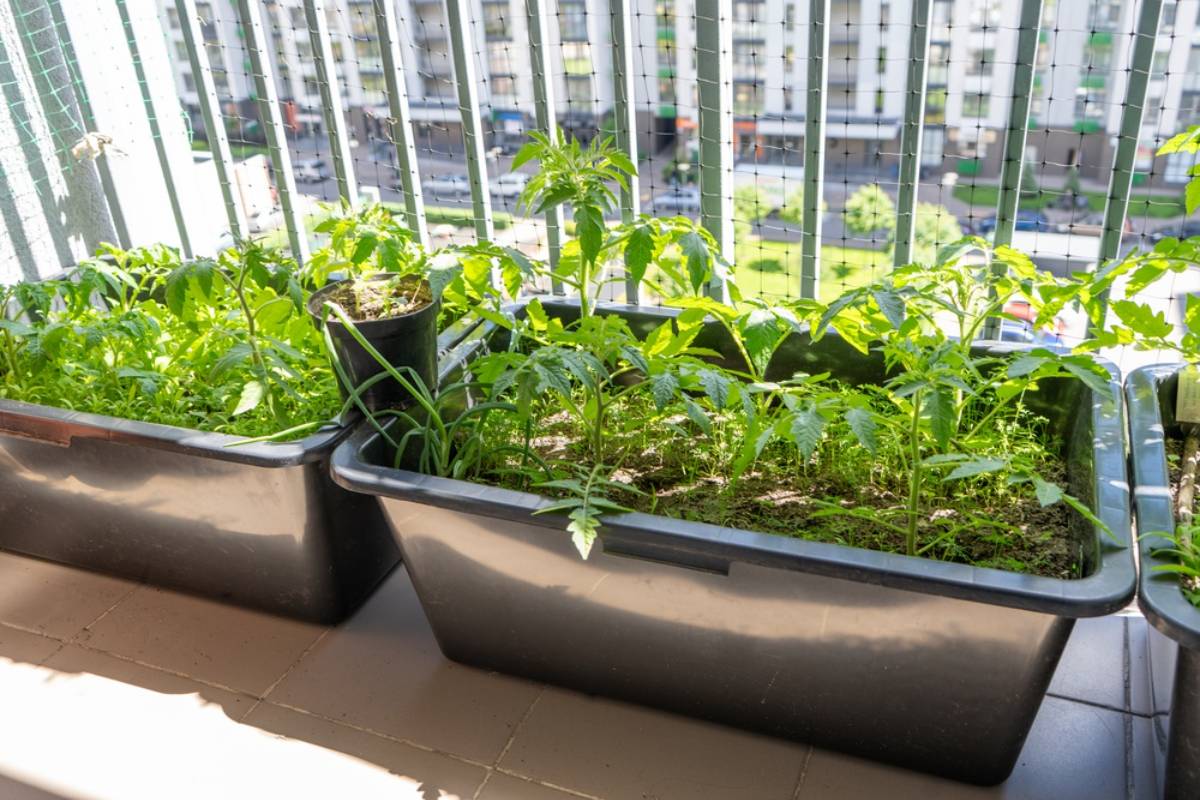
The balcony garden was not just one lonely tomato plant sitting in a sunny corner. According to the person who shared the story, there were several plants, with tomatoes making up most of the collection. The setup apparently looked enough like a miniature farm that he began wondering whether all those thirsty plants could be responsible for the higher bill.
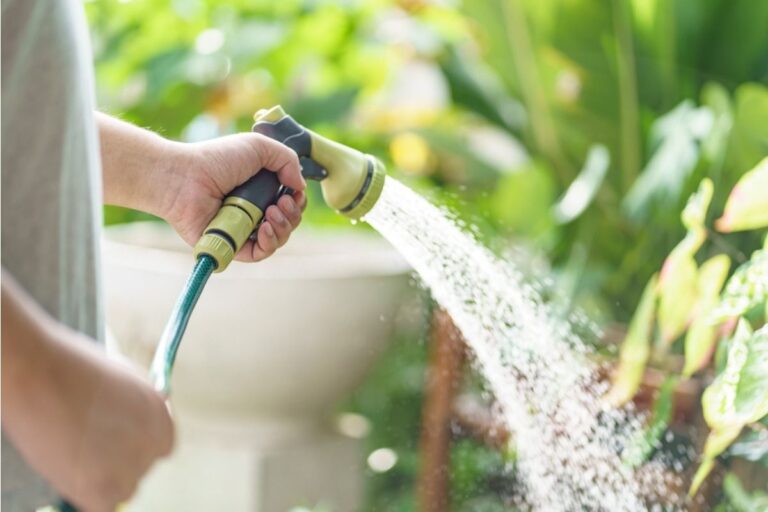
His suspicion became stronger after he noticed what looked like a small irrigation system connected to the tomato plants. There appeared to be several individual lines or watering devices, which made the garden seem far more elaborate than a few pots casually watered by hand. In his mind, the mysterious water usage finally had a face, and it was growing tomatoes.
One Detail Made the Garden Look Even More Suspicious
Tomatoes have a reputation for being thirsty plants, especially during hot weather. The homeowner knew the balcony garden was being watered regularly, so he started connecting the dots between the plants and the growing water bill. To him, it seemed possible that a collection of tomato plants could be quietly consuming enough water to affect everyone else’s HOA expenses.
There was another concern too. He had heard that vegetable plants and the food they produce can attract unwanted visitors such as mice and rats. Suddenly, the balcony garden was no longer just about water, but also about the possibility of turning a simple building into a rodent buffet. What started as a gardening question was beginning to feel like a much bigger building problem.
The HOA President Had Already Started Looking for Answers
The homeowner told the HOA president about the vegetable garden and explained why he suspected it might be responsible. But nothing happened immediately, leaving him unsure whether the concern had been taken seriously. The situation became even more confusing because the community still had no clear explanation for why the water bill had increased.
At that point, the homeowner began wondering whether he should bring up the rodent concern as well. He worried that mentioning rats and mice might make the complaint sound exaggerated, but he also thought ignoring the issue could allow it to become worse. Meanwhile, the tomato plants continued growing as if none of this drama existed.
Then People Started Questioning the Leak Investigation
A response from a person suggested that the tomato plants might not be the real culprit at all. They pointed out that a running toilet, broken sprinkler, or leaking outdoor fixture could use far more water than a collection of potted vegetables. Suddenly, the investigation had a whole new list of suspects.
Other responses focused on how easily hidden plumbing problems can cause a bill to climb. A constantly running toilet can leak water without making a dramatic puddle, while a damaged irrigation line can waste large amounts of water where nobody notices. The humble tomato plant was beginning to look less like a criminal mastermind and more like a convenient suspect.
A Broken Sprinkler Could Have Been Hiding in Plain Sight
One response from a person described how community landscaping systems can create exactly the kind of mystery the HOA was facing. A damaged sprinkler head, broken underground pipe, or malfunctioning controller could send water rushing away for hours without anyone seeing it during the day. That kind of problem could easily hide in the background while everyone stared at the balcony garden.
The suggestion was simple enough to test, too. The landscaping system could be checked for broken parts, unusual watering schedules, or equipment that had suddenly started running longer than normal. Compared with that, blaming a few tomato plants began to feel like investigating the garden before investigating the plumbing.
Then Came the Question Nobody Could Answer
Several people asked the homeowner exactly how the community had determined there was no leak. His original explanation was that the water had been checked and nothing seemed wrong. That answer only created more questions, because simply walking around and seeing no puddles does not rule out a hidden water problem.
The homeowner later clarified what actually happened. First, no water was used in the complex for roughly two hours while the meters were watched for movement. After that, the water was shut off completely and the meters were checked again, with no movement showing up either time. That detail changed the investigation considerably.
The Tomato Plants Finally Had Their Day in Court
Once the meter information came out, people started doing some rough mental math. One response from a person argued that even several balcony tomato plants would be unlikely to consume thousands of gallons of water. Another suggested that the amount used for watering a modest collection of plants could be surprisingly small compared with a plumbing leak.
The comments shifted the focus back toward ordinary gardening reality. A potted tomato plant can certainly need regular watering, especially under warm conditions, but water poured into a container does not magically disappear forever. If too much is added, it usually runs through the container or leaves the growing area, which made the idea of a balcony garden secretly draining an entire building’s budget sound increasingly doubtful.
Some People Blamed the Bill Instead of the Garden
Another response from a person raised an entirely different possibility. Maybe the building had used roughly the same amount of water but was simply being charged more for it. Water and sewer rates can change, and a higher bill does not automatically mean the garden, plumbing, or landscaping suddenly became more wasteful.
That possibility introduced an important twist. Everyone had been looking for something that was using extra water, but the real cause could have been something on the bill itself. The mystery had gone from “Who is watering those tomatoes?” to “Did the tomatoes even do anything?”
Then the Rodent Theory Entered the Plot
The homeowner had another concern that he was not ready to let go of. A balcony full of vegetable plants naturally made him think about insects and rodents, especially if ripe produce was sitting outside for long periods. Tomatoes looked harmless in the daylight, but to a mouse or rat, a collection of edible plants could look like an invitation.
One response from a person shared experience from another condominium community where fruit and vegetable boxes were restricted on balconies. The reasoning given was concern about rodents, insects, and mosquitoes rather than water consumption alone. That response gave the homeowner a new angle, although it still did not establish that this particular garden had actually caused a pest problem.
California Law Suddenly Complicated the Gardening Fight
Then someone brought up a legal issue that made the situation much more complicated. A response from a person pointed to California protections concerning homeowners growing vegetables and argued that an HOA may have limited ability to prohibit such gardening. The response referenced California Civil Code 4750 and suggested that the vegetable garden could be legally protected in at least some circumstances.
That meant the HOA could not simply decide it disliked tomatoes and order the plants removed without considering the applicable rules. There could still be questions about how the balcony was being used, what the governing documents said, and whether specific safety or maintenance concerns applied. But a general dislike of vegetable gardening was not necessarily enough to end the garden.
The Shared Water Bill Was Its Own Problem
Another issue quietly sat underneath the entire dispute. The six-unit community had one shared water bill, meaning everyone contributed through HOA dues whether or not they personally used the same amount of water. That arrangement made the homeowner feel that someone else’s gardening habits could become everyone else’s financial responsibility.
The catch was proving that the garden was actually responsible for the increase. Without a clear measurement showing that the balcony irrigation system was using an unusual amount of water, the complaint remained largely based on suspicion. A shared bill can make small disagreements feel much larger, especially when every extra dollar has several people attached to it.
Even HOA Board Members Were Skeptical
Some of the responses came from people familiar with condominium and HOA management. One person said that their board would probably laugh at the idea that a few tomato plants were responsible for a major increase in the community’s bill. Their basic point was that tomatoes would need an extraordinary amount of watering before they became the obvious explanation for a building-wide spike.
Others recommended checking the units carefully for hidden leaks. A dripping faucet, leaking hose bib, running toilet, or malfunctioning appliance could quietly waste water for weeks. The garden might have been the most visible source of water use, but visibility was not the same thing as proof.
The Homeowner Was Suddenly Surrounded by Better Suspects
By this point, the list of possibilities had grown considerably. The building could have had a toilet that never quite stopped running, a landscape irrigation problem, a billing change, or some other issue unrelated to the balcony plants. The tomato garden was still part of the story, but it was no longer standing alone in the suspect lineup.
The homeowner also received a blunt suggestion from one response from a person. They encouraged him to grow a tomato plant himself before deciding how much water a small vegetable garden actually uses. It was a gardening lesson wrapped in an argument, and it added a little humor to a situation that had started as a very serious concern over HOA dues.
In the End, the Garden Was Not the Smoking Gun
The most important twist was that the meter checks did not show ongoing water movement when the complex stopped using water. That did not prove every possible problem had been eliminated, but it made the tomato garden look much less convincing as the explanation for the bill increase. The plants were still sitting there with their little irrigation lines, looking suspiciously innocent.
The story ended without a dramatic confession from the tomatoes or a hidden garden hose being dragged away in handcuffs. Instead, it became a reminder that the most obvious thing in a garden is not always the cause of the problem. Sometimes the mystery starts with a cluster of thirsty tomato plants, only for the investigation to reveal that the real answer may be hiding somewhere completely different.