Homeowner Says Neighborhood Kids Turned Her Flower Beds Into a Ballpark, Then One Wild Swing Sent a Soccer Ball Straight Into Her Husband’s Car
For a person living in a home near a small cul-de-sac, neighborhood kids playing outside had never seemed like much of a problem. For years, they gathered across the street for games of kickball and baseball, filling the afternoons with the usual noise and chaos that comes with children having fun outdoors. The trouble began when the games grew bigger, the crowd grew larger, and the balls started finding their way into places they were never supposed to be.
At first, the homeowner was perfectly happy to let the kids play. A stray ball landing on the lawn was hardly worth getting upset about, especially when everyone was simply enjoying the outdoors. The problem was what happened after the ball landed there, because retrieving it often meant somebody walking straight through carefully tended garden beds.
The Flower Beds Became Part of the Playing Field
The garden beds quickly became an accidental extension of the neighborhood playground. Every time a ball landed among the plants, someone would climb in to grab it, stepping over flowers and brushing against branches without much concern for what was growing underneath their shoes. Before long, the homeowner was finding crushed branches and battered plants where there had once been healthy growth.
That was especially frustrating because garden damage does not always look dramatic right away. A single careless step can break a stem, flatten a young plant, or leave a carefully trained branch struggling to recover. After spending time watering, pruning, planting, and nurturing a garden, watching it get trampled over a ball can feel like a tiny disaster repeated again and again.
Then the Balls Started Flying Everywhere
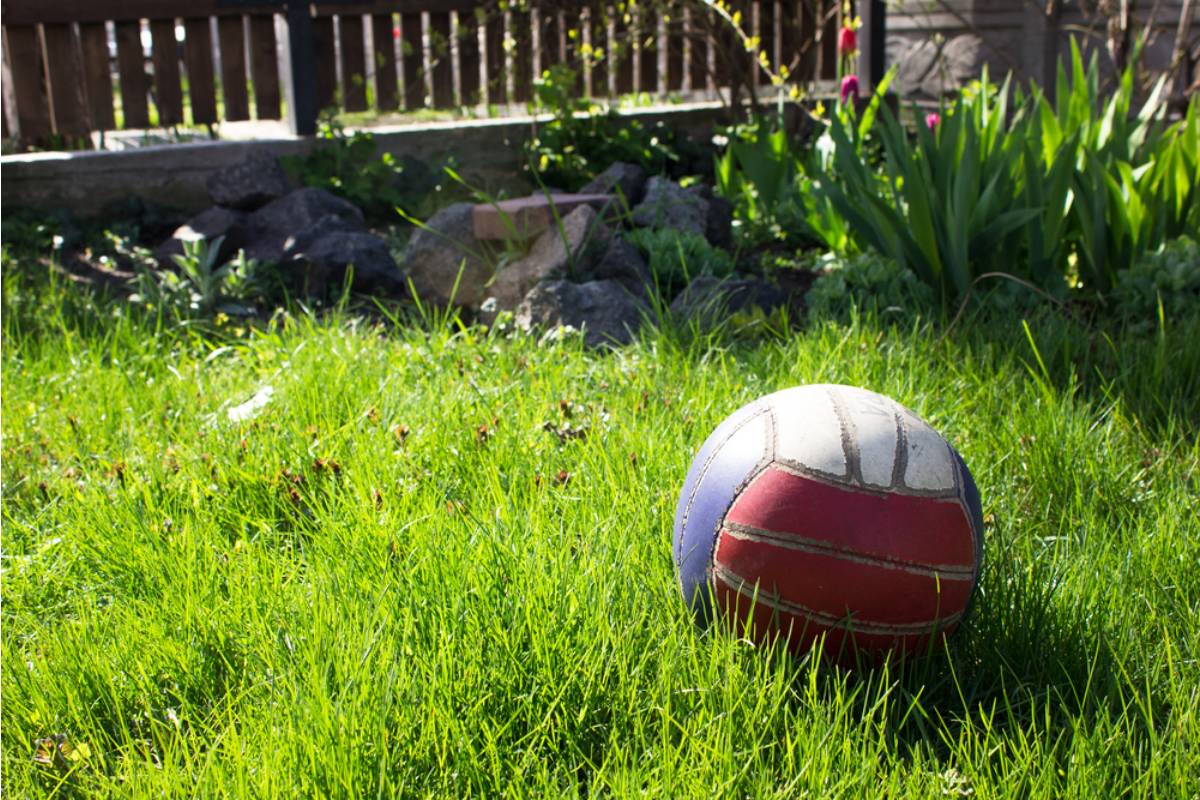
The problem was not limited to the flower beds either. Balls were turning up beneath parked cars, rolling across the yard, and occasionally hitting vehicles. What had once seemed like an occasional stray ball had become a regular part of the homeowner’s routine, creating the strange experience of living beside a sports field without ever asking for one.
The homeowner explained that the kids appeared to be playing more aggressively as time went on. More friends joined the games, the action became harder to predict, and balls seemed to be flying in every direction. Suddenly, simply enjoying a peaceful afternoon in the garden required keeping one eye on the plants and another on the sky.
One Near Miss Made the Problem More Serious
Then came the moment that changed the situation completely. While the homeowner was outside with her three-year-old child, a ball came dangerously close to hitting the youngster. What had once been an annoying gardening problem now carried a much more serious safety concern.
It is one thing to replace a damaged flower or straighten a broken stem. It is another thing entirely when a fast-moving ball nearly hits a small child standing in the yard. The homeowner could tolerate a certain amount of neighborhood noise, but watching a game create that kind of risk made it much harder to simply shrug off the situation.
The Wildest Incident Involved a Car
Then one of the older kids appeared with a baseball bat, tossed a soccer ball into the air, and swung at it. Instead of sending the ball harmlessly down the street, the swing sent it directly into the homeowner’s husband’s car. At that point, the situation felt considerably different from an ordinary game getting a little too close to someone’s property.
The homeowner even began to wonder whether some of the behavior was intentional. It was impossible to know exactly what the kids were thinking, but repeated balls landing in the yard were one thing, while a bat being used to launch a soccer ball toward a parked vehicle was another. The garden had gone from being an accidental target to feeling like it was sitting next to a very poorly supervised batting cage.
The Kids Seemed to Know Exactly Where the Boundary Was
Interestingly, the kids appeared to recognize that they were creating problems. The homeowner noticed that whenever the garage was open, they would often switch to a calmer game or move somewhere else. That small detail suggested they understood that certain kinds of play were likely to cause trouble near the house.
It created an awkward contradiction. They seemed capable of changing their behavior when they noticed the homeowner was paying attention, yet the garden continued taking the damage whenever nobody was watching closely. It was almost as though the flower beds had become the quietest member of the neighborhood, expected to absorb every mistake without complaining.
A Small Garden Fence Became the First Solution
The homeowner eventually tried a practical gardening fix by installing a small fence around one of the garden beds. It was not glamorous, complicated, or particularly high-tech, but it worked. Once the barrier made it harder for balls to enter the bed and harder for kids to step inside, that section of the garden finally had some protection.
That success also revealed something important about the situation. The homeowner did not necessarily need to stop the kids from playing entirely. She needed to create a physical boundary between active play and delicate plants, which is often exactly what garden fencing is meant to do.
Other Garden Beds Were Still Vulnerable
Unfortunately, protecting one planting area did not solve the entire problem. The other beds remained exposed, meaning there were still plenty of flowers and shrubs waiting to become the next accidental landing zone. The homeowner began considering whether additional small fences might be the simplest answer.
A response from a person suggested expanding the same strategy to the remaining beds. The idea was straightforward: protect the plants with barriers rather than expecting every ball, footstep, and kid to suddenly become perfectly predictable. For a garden owner dealing with constant accidental traffic, that kind of practical defense can sometimes be more realistic than trying to control everyone else’s afternoon activities.
Some People Suggested Turning the Garden Into a Fortress
Other responses from people offered more serious ways to keep the garden protected. Suggestions included taller fencing, netting, locked gates, cameras, and signs clearly marking the property. Some even joked about planting thorny shrubs, holly, or other prickly plants to create a natural obstacle course around the vulnerable areas.
For a gardener, the idea of using plants as a defensive perimeter is certainly an entertaining one. Thorny shrubs can create boundaries while also adding structure, color, and habitat, although turning a flower bed into a botanical security system may be more work than the original problem deserves. The homeowner was already dealing with an HOA, which made larger fencing projects much more complicated anyway.
A Conversation Might Have Been Easier Than a Fence
One of the most common suggestions was also the simplest: talk to the kids. A response from a person recommended explaining that they were welcome to keep playing, but that the garden was off-limits and balls landing there should be handled carefully. The idea was to make the boundary clear without turning every interaction into a confrontation.
Another response from a person suggested an even friendlier approach. Instead of beginning with anger, the homeowner could introduce herself, acknowledge that it was nice to see kids playing outside, and then politely explain how much work goes into maintaining the flower beds. The theory was that children who understood why the plants mattered might become surprisingly protective of them.
The Garage Became an Unexpected Gardening Strategy
Since the homeowner’s vehicles could not actually fit inside the garage, parking them there was not a practical solution. Still, keeping the garage open became an odd little signal whenever the kids were nearby. The homeowner noticed that the games often became calmer once the garage door was up, almost as if its presence reminded everyone that somebody was watching.
For a gardening story, it is a strange twist that the garage became part of the flower-bed defense strategy. Instead of a greenhouse, trellis, or irrigation system protecting the garden, the homeowner had discovered that an open garage door could change the behavior of an entire neighborhood game. Sometimes the most effective garden tool is not a tool at all, but simply a visible reminder that someone is paying attention.
Then Came the Thorny Plant Suggestions
A few responses from people took the gardening angle much further by suggesting plants that would make wandering into the beds significantly less appealing. Holly, thorny shrubs, and other prickly plants were suggested as living barriers that could discourage anyone from casually charging through the garden. The idea of deliberately choosing plants with defensive personalities certainly adds a little comedy to the situation.
Of course, gardeners know that every plant comes with its own maintenance requirements. A thorny hedge can protect a bed, but it also needs pruning, watering, and a little planning to keep it from becoming a problem of its own. Still, compared with replacing crushed flowers every week, a carefully chosen natural barrier might start looking surprisingly attractive.
The Homeowner Was Left Wondering If She Was Being Too Sensitive
Despite everything that had happened, the homeowner still wondered whether she was simply becoming a cranky adult who wanted everyone to stay off her lawn. That question is understandable because children playing outdoors is usually something people want to encourage. There is a big difference, however, between hearing laughter across the street and watching your plants get repeatedly trampled.
The gardening side of the argument is especially straightforward. A lawn can recover from an occasional stray step, but established flower beds, young plants, and delicate branches can suffer real damage from repeated traffic. The homeowner was not asking the kids to stop enjoying the outdoors, she was asking them to stop treating her garden like part of the playing field.
The Real Battle Was Not About the Ball at All
By the end of the story, the balls almost seemed like a distraction from the bigger issue. The real conflict was about boundaries, responsibility, and whether the garden would be treated as someone’s carefully maintained space or simply as another patch of ground surrounding the cul-de-sac. Every damaged plant made that question a little harder to ignore.
A response from a person pointed out that kids need places to play and suggested finding a middle ground rather than immediately declaring war on neighborhood games. That might mean speaking directly to the kids, protecting the beds with fencing, moving vulnerable plants, or creating a clear rule that balls in the garden must be retrieved by the homeowner. The garden did not need to become a no-fun zone, but it did need someone willing to draw a line.
In the End, the Garden Needed a Boundary
The homeowner’s experience shows how quickly a harmless neighborhood activity can collide with a carefully maintained garden. What began as an occasional ball in the grass eventually involved damaged plants, near misses with a child, and a vehicle taking a direct hit from a wildly improvised soccer-ball swing. The surprising part was that the kids seemed to understand the problem when they could see the homeowner watching.
That may be the biggest twist of the whole garden saga. The solution might not require turning the yard into an impenetrable fortress or covering every flower bed in wire and netting. A few physical barriers, a clear conversation, and a little awareness could be enough to keep the games in the street and the garden growing peacefully where it belongs.