Homeowner Says Her Plant-Loving Roommate Hung a Trailing Houseplant Over Their Kitchen Oven, Then Called Her a “Klutz” After Its Leaves Got Burned During Dinner
Sharing a home with someone who loves gardening can be a wonderful experience, especially when every corner seems to have a little greenery tucked into it. But one person shared his story about living with a roommate whose enthusiasm for houseplants had apparently extended to almost every available surface in their shared home. From placing plants on top of things to letting their leaves hang in front of appliances, the roommate seemed determined to turn the entire house into a leafy paradise.
At first, the arrangement might have seemed harmless enough, provided everyone could still use the kitchen without navigating an indoor jungle. The trouble began when one particular plant found a home directly above the oven, with its trailing foliage dangling in front of the oven door. What should have been an ordinary kitchen decoration soon became the centerpiece of a surprisingly heated household dispute.
The Hanging Plant That Found the Worst Possible Spot
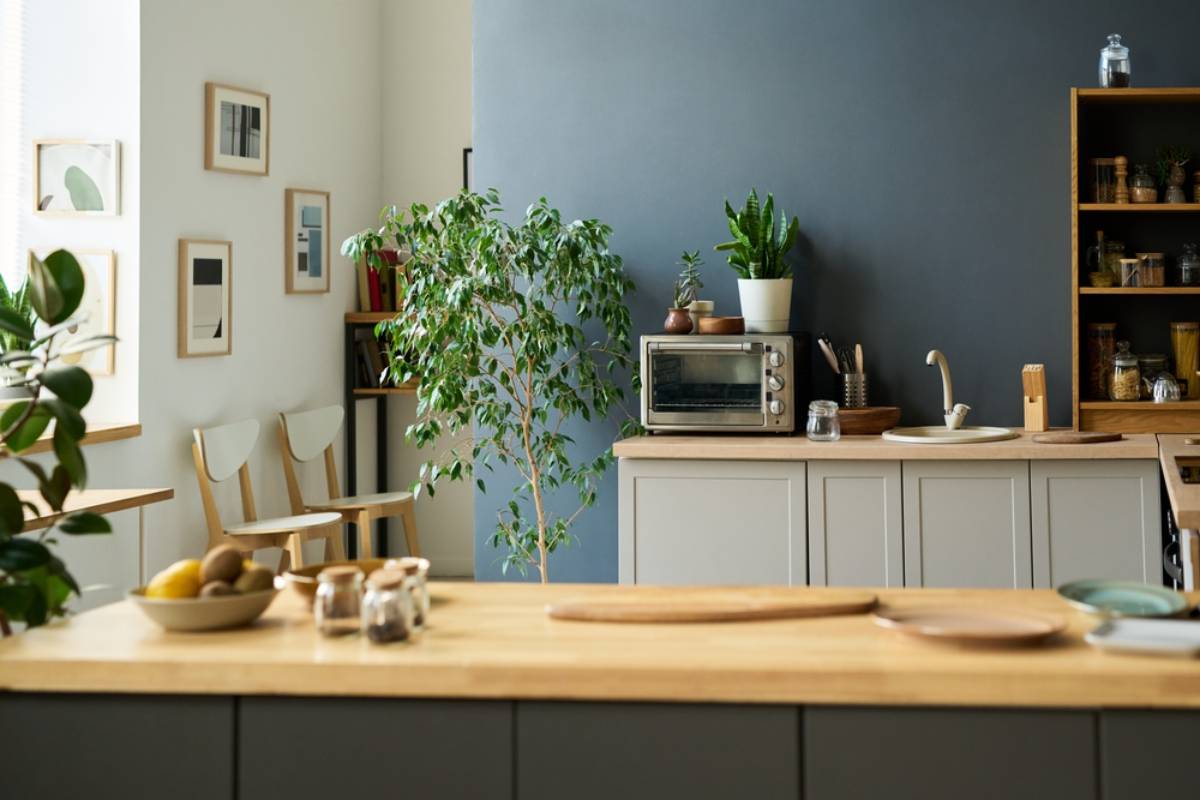
The plant in question was positioned on top of the oven, allowing its leaves to cascade downward in a decorative curtain. Trailing plants can look beautiful on shelves and in hanging baskets, but their placement matters just as much as their appearance. An oven, unfortunately, is not exactly the ideal place to display delicate foliage.
The roommate apparently loved arranging plants throughout the home, but this particular placement created an awkward situation for anyone who needed to cook. Opening an oven releases hot air, while nearby surfaces can become warm during use. A plant hanging directly in that area could easily suffer damage, making this decorative decision a recipe for trouble.
One Ordinary Trip to the Oven Changed Everything
According to the homeowner’s account, he had used the oven plenty of times before without encountering any problems with the plant. However, during one ordinary cooking session, the heat ended up burning several of its leaves. It was an unfortunate accident, and there was no indication in his account that he had deliberately tried to harm the plant.
For someone who enjoys caring for greenery, discovering scorched leaves can certainly be upsetting. Even a relatively small houseplant can become a favorite after months or years of watering, pruning, and watching it grow. Still, the damage raised an obvious question: why was a delicate plant hanging directly in front of an appliance that regularly produces heat?
The Roommate Sent a Picture of the Damage
The next day, the plant’s owner sent his roommate a picture showing the damage to the leaves. The message made it clear that he was unhappy about what had happened to his beloved greenery. The homeowner responded with a brief expression of surprise and questioned whether keeping a plant so close to the oven had been a sensible idea in the first place.
That question could have opened the door to a practical conversation about moving the plant somewhere safer. Instead, the exchange quickly took a more personal turn. What began as a discussion about damaged foliage was about to become an argument over responsibility, common sense, and how two adults should speak to each other.
Suddenly, the Problem Was Apparently the Roommate
Rather than focusing on the plant’s placement, the plant owner reportedly responded by calling his roommate a “klutz.” The insult shifted the conversation away from the questionable decorating choice and toward the person who had accidentally damaged the leaves. Naturally, the homeowner was bothered by being treated as though he had intentionally ruined something.
The disagreement was no longer simply about a few burned leaves. It had become a debate over whether the person using a shared kitchen should be expected to accommodate a plant hanging in an inconvenient location. The homeowner felt that an ordinary accident did not justify being insulted, particularly when the arrangement itself seemed to invite trouble.
Was He Supposed to Move the Plant Every Time?
The homeowner then asked whether his roommate expected him to move the plant whenever he needed to use the oven. It was a reasonable practical question, because the kitchen was shared space rather than a private greenhouse reserved for the plant enthusiast. If a decorative item interferes with an everyday appliance, someone eventually has to decide how to make the arrangement safer.
Instead of discussing a better location, the roommate reportedly told him to “use my brain,” adding another insult to the exchange. The homeowner was left wondering why a conversation about a damaged plant had turned into a lecture about intelligence. In his view, the problem could have been prevented by placing the plant somewhere that did not interfere with cooking.
The Argument Took an Even More Frustrating Turn
The plant owner also suggested that his roommate might have closed the oven door with the plant inside. That possibility was presented during the disagreement, although the homeowner’s account did not establish that this was what had actually happened. The suggestion only added another layer of frustration to an already unpleasant conversation.
From the homeowner’s perspective, he had acknowledged the damage and was willing to be more careful in the future. He did not deny that the leaves had been burned, nor did he claim that the plant owner had no reason to be upset. What bothered him was the assumption that a mistake automatically made him deserving of personal attacks.
The Homeowner Admitted That Accidents Happen
Despite the insults, the homeowner explained that he had used the oven many times without anything going wrong. He acknowledged that the plant had been damaged and accepted that he could take greater care when using the appliance. His position was not that plants were disposable or that their owners should never feel upset when something happens to them.
Instead, he wanted his roommate to recognize that accidents are sometimes unavoidable, particularly when shared living arrangements involve competing needs. A little consideration could have helped both people find a solution without turning the kitchen into a battleground. Unfortunately, the plant owner did not seem interested in accepting that explanation at the time.
“All It Takes Is One Time”
The roommate reportedly answered the homeowner’s explanation with the words, “All it takes is one time.” On its own, the statement was not entirely wrong, since a single accident can damage a plant that has otherwise survived countless cooking sessions. However, it also seemed to overlook the fact that the plant had been positioned in a place where heat exposure was a foreseeable risk.
The homeowner replied that he would watch out for the plant in the future, apparently hoping that this assurance would settle the disagreement. His roommate simply responded, “Good.” That brief exchange left the impression that the discussion was over, but it did little to resolve the underlying problem of where the plant should actually be kept.
The Plant Was Not the Only Thing That Got Hurt
By this point, the homeowner’s main concern was no longer the damaged foliage. He was upset about being called names and spoken to as though he were incapable of understanding a basic household issue. For him, the argument had crossed a line between expressing disappointment and making someone feel foolish over an honest mistake.
There is a difference between asking someone to be more careful and insulting them for an accident. A person can reasonably feel attached to a houseplant while still recognizing that a shared kitchen must remain practical for everyone who uses it. The homeowner appeared willing to take responsibility for his part, but he did not believe that accepting responsibility meant accepting disrespect.
A Better Spot Could Have Saved the Leaves
From a gardening perspective, the easiest way to prevent a repeat incident would be to relocate the plant away from the oven and other heat-producing appliances. Trailing houseplants often look attractive on elevated shelves, plant stands, or hanging baskets positioned in suitable areas with appropriate light. Choosing a safe location protects the foliage while allowing the plant to remain part of the home’s decor.
The roommate’s love of plants was not the problem by itself. In fact, greenery can make a kitchen feel welcoming when it is arranged thoughtfully and does not interfere with everyday activities. The trouble arose because a decorative choice created a potential hazard and then became a source of conflict when something went wrong.
A Response From a Person Put the Blame on the Placement
A response from a person argued that the homeowner was not necessarily at fault for an accident involving a plant positioned so close to an oven. This perspective focused on the practical problem: the plant owner had chosen a location where hot air and heat could damage the leaves. Rather than expecting another person to remember a special precaution every time they cooked, moving the plant would address the risk more directly.
Other responses similarly emphasized that the plant owner should reconsider where he displayed his greenery. Some people also pointed out that plants generally need suitable light and growing conditions, making an oven area an awkward choice for many houseplants. The broader lesson was that plant care involves more than finding an attractive spot; it also means considering the environment and the people who share it.
Others Pointed Out That Heat Can Create a Safety Risk
Not everyone treated the incident as a simple disagreement over a few scorched leaves. One response from a person highlighted the potential danger of keeping foliage near an oven, noting that the consequences could be more serious than cosmetic damage. Although the account described burned leaves rather than a fire, combustible decorations near hot appliances deserve careful attention.
This was an important distinction because the issue extended beyond who should apologize. A plant hanging across an oven door could interfere with access, become exposed to excessive heat, or create other avoidable problems. Relocating it would be a sensible precaution, regardless of which roommate was considered more responsible for the original accident.
The Real Question Was About Shared Responsibility
The homeowner’s story ultimately raised a familiar question for anyone who shares a home with a passionate gardener: who should be responsible when a beloved plant is damaged by an everyday household activity? The person using the oven could reasonably be expected to take care around nearby belongings, especially after an accident. At the same time, the person arranging the plants had a responsibility to keep them in appropriate locations that did not create unnecessary difficulties for others.
A fair solution would involve acknowledging the damage, discussing how it happened, and agreeing to move the plant somewhere safer. The homeowner had already said he would be more careful, while the plant owner could have helped prevent future problems by changing the arrangement. Neither person needed to turn a gardening mishap into a personal battle.
One Burned Plant Exposed a Much Bigger Household Problem
In the end, the most memorable part of this story was not the handful of scorched leaves. It was how quickly a small gardening mishap became an argument about respect, shared space, and who should have anticipated the problem. The plant owner was entitled to feel disappointed, but the homeowner also had a point when he questioned the wisdom of hanging foliage directly in front of an oven.
Perhaps the best outcome would be for the plant to find a safer home on a shelf away from the kitchen’s heat, where it could continue growing without becoming part of the next household dispute. The two roommates could then move on with a clearer understanding of their shared space and a little more consideration for each other. After all, a happy houseplant needs the right environment, and a peaceful home needs something just as important: room for everyone to live comfortably.