Homeowner Says His Father-in-Law Kept Pushing Him to Remove a Beloved 100-Year-Old Tree, Then He Came Home to Find Only Logs and a Tree-Removal Bill
A person shared his story about a beautiful tree that had stood on his property for more than a century. He had grown deeply attached to it and had even paid to have it professionally trimmed rather than remove it. His father-in-law, however, never seemed to share the same affection for the towering old tree. What started as a repeated suggestion to tidy up the garden eventually turned into a decision that left the homeowner staring at a pile of logs where his favorite tree had once stood.
The Old Tree Was the Garden’s Showpiece
The tree was not some ordinary shrub tucked away behind the garage. It was more than 100 years old and had become one of the defining features of the property. The homeowner loved the way it looked and saw no reason to sacrifice something so established simply because another person disliked it. For him, the tree was part of what made the garden feel special.
Instead of removing it, he chose a compromise that made sense to him. He had the tree trimmed, presumably improving its condition while keeping the massive living centerpiece intact. He also made his feelings very clear to his father-in-law. The answer was simple: the tree was staying.
His Father-in-Law Would Not Drop the Subject
Unfortunately, one conversation was apparently not enough to settle the matter. The father-in-law continued telling him that the tree should come down. Every suggestion carried the same basic message, that the garden would somehow be better without the old giant standing there.
The homeowner did not seem to budge. He had already explained that he liked the tree and did not want it cut down. At that point, the disagreement should have ended with two people simply accepting that they wanted different things. Instead, the argument quietly moved into a much bigger chapter.
Then the Marriage Hit a Rough Patch
Several months later, the homeowner and his wife separated for a few months. That changed the situation completely because he was no longer living at the property during that time. While he was away, the tree remained behind in the garden, standing exactly where it had always stood.
But now there was no one there to repeat the warning in person. The father-in-law had another opportunity to push his preferred solution, and this time the decision went in a very different direction. Somewhere during that separation, the old tree went from protected favorite to scheduled removal.
The Decision Was Made Without Him
The homeowner eventually learned that his father-in-law had convinced his wife to have the tree cut down. Worse still, the job was reportedly carried out by one of the father-in-law’s friends. The person who had repeatedly said he did not want the tree removed was nowhere near the property when it happened.
There was no dramatic argument in the garden and no final conversation beside the trunk. The decision simply happened while he was gone. By the time he returned, the most important part of the garden had already disappeared.
He Drove Up to a Garden Full of Logs
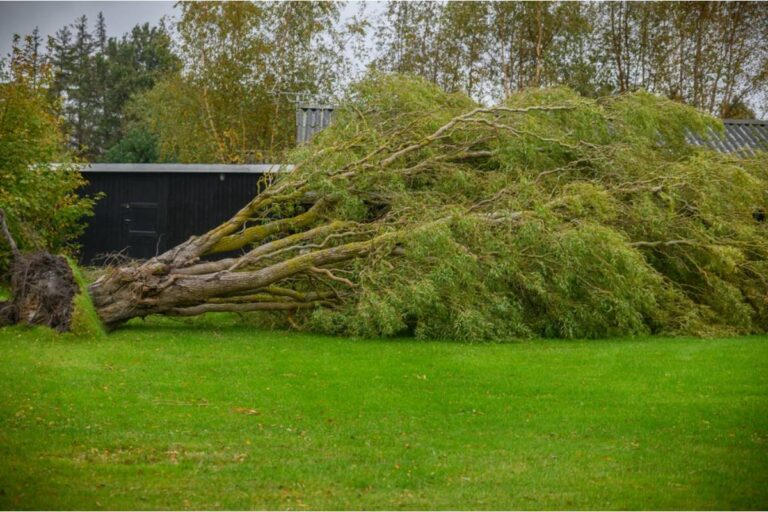
The moment of discovery was brutal in its simplicity. The homeowner drove up expecting to see the familiar tree, only to find logs scattered across the yard. After more than a century of growth, the tree had been reduced to pieces of wood lying where its shade and branches had once been.
That visual appears to have hit especially hard because the homeowner had been so explicit about wanting to keep it. This was not a tree he had forgotten about or planned to remove later. It was a feature he had deliberately chosen to preserve, making the sudden empty space in the garden feel like the ending of something much bigger.
The Timing Made the Loss Even Worse
There was another layer to the situation that made the story even more complicated. The homeowner and his wife were trying to work things out after their separation. They were apparently attempting to repair their relationship at the same time he was dealing with the fact that his favorite tree had been removed behind his back.
That created a strange contradiction. On one hand, they were trying to rebuild their relationship. On the other, a major decision had been made about their shared home without his agreement. The question was no longer just about gardening, because the missing tree had become a symbol of trust and priorities.
Then the Bill Arrived
Just when the homeowner might have expected the situation to end with the tree removal itself, another surprise appeared. His father-in-law kept sending him the bill for having the tree removed. The same man who had pushed for the tree to disappear was now apparently expecting the homeowner to help pay for the service.
That detail changed the story from heartbreaking to almost unbelievable. The homeowner had not requested the work, had previously objected to removing the tree, and had not been present when the decision was made. Yet there was still a bill waiting for him as though he had ordered a routine gardening service.
A Person Pointed Out the Obvious Problem
One response from a person captured the frustration in a single idea: a service that was never requested should not suddenly become someone else’s responsibility. Another response from a person suggested that the homeowner keep the paperwork because it could become useful evidence of what had happened.
Other people focused on the value of a mature tree, especially one that had survived for more than a century. Even without putting a precise dollar amount on it, the responses emphasized that an old established tree can represent far more than the cost of simply planting a sapling in its place.
The Tree Could Not Simply Be Replaced
That is what made this particular garden story so difficult to solve. Planting a new tree would not recreate what had been lost. A young replacement would need decades before it could offer the same canopy, character, and presence as the original.
The homeowner had not objected to the tree because he merely wanted one decorative feature in a certain spot. He valued the history and maturity of that specific tree. Once it was removed, there was no quick gardening project that could truly undo the decision.
The Bill Was Becoming the Smaller Issue
At first glance, the obvious conflict seemed to be whether the homeowner should pay the tree-removal bill. But several responses from people shifted the focus toward something deeper. The money mattered, yet the larger concern was that his wishes had been clearly stated and the tree had still been removed while he was away.
That distinction gave the story its real emotional twist. A garden can be redesigned, replanted, and reshaped over time, but trust between people is harder to restore. The disappearing tree had turned a landscaping disagreement into a relationship problem that could not be solved with pruning shears.
Some People Suggested Looking at the Tree’s Value
A response from a person also suggested getting an arborist to assess the tree and its value. That idea came up because the homeowner was not dealing with an ordinary newly planted tree that could be replaced in an afternoon. A century-old tree has a very different place in a landscape, both visually and potentially financially.
Others pointed toward preserving every piece of documentation surrounding the removal. Messages showing that the homeowner had objected, records related to the tree, and the removal bill could all help establish what happened and who knew about his wishes. The garden may have been empty, but the story behind the missing tree was not disappearing nearly as easily.
The Wife Was Suddenly Part of the Bigger Question
The father-in-law may have been the person pushing hardest for the tree to come down, but the homeowner’s wife had apparently agreed to the removal. That detail led several responses from people to focus on the marriage rather than the garden itself.
The homeowner was now left with a difficult question about priorities. They were trying to reconcile, yet one of the most permanent decisions imaginable had been made against a preference he had already explained. The cut trunk in the garden was therefore only one piece of a much larger puzzle.
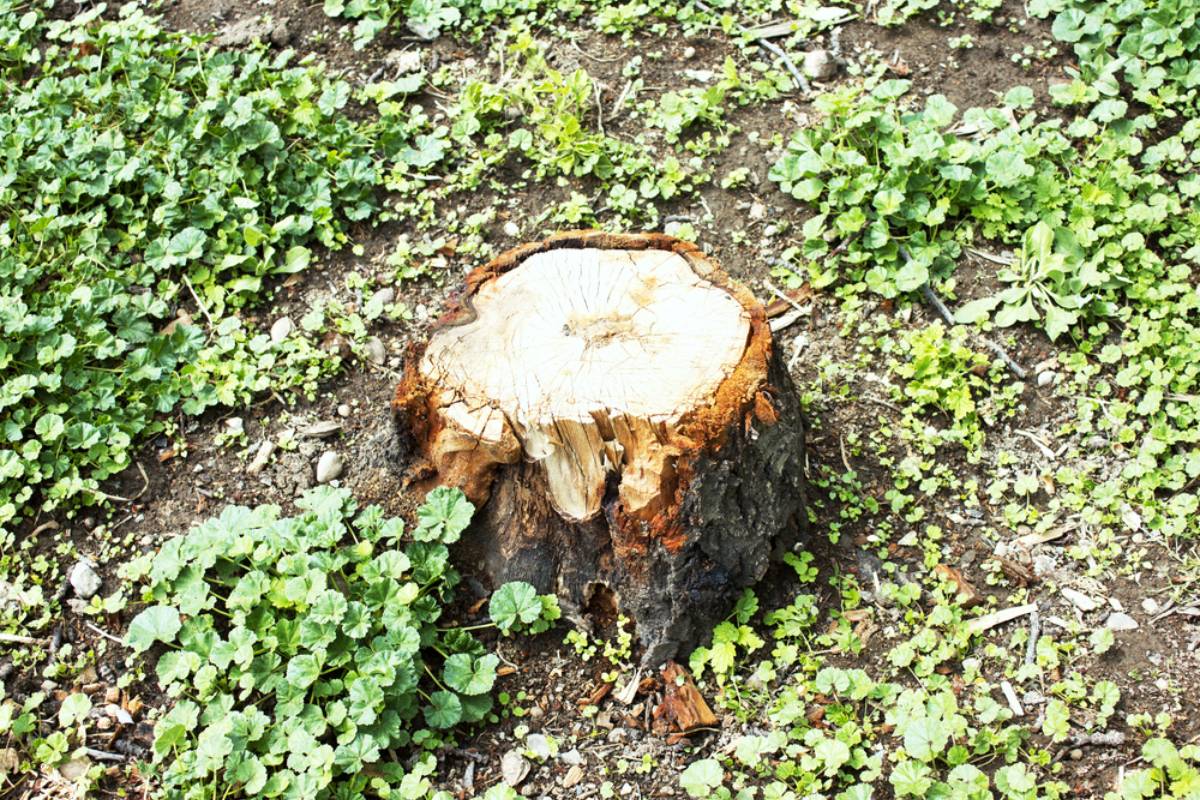
What Was Left Behind Was More Than a Stump
Once the chainsaws were gone and the logs were sitting in the yard, the garden must have looked strangely unfamiliar. A tree that had towered there for generations had vanished almost overnight. The empty space would become a daily reminder of a decision that could not be reversed.
And that may be the biggest twist in the entire story. The argument began as a simple disagreement over whether an old tree belonged in a garden, but it ended with the homeowner questioning who gets to make permanent decisions about the home they share. The bill may eventually be settled, but there is no invoice in the world that can bring a 100-year-old tree back to life.