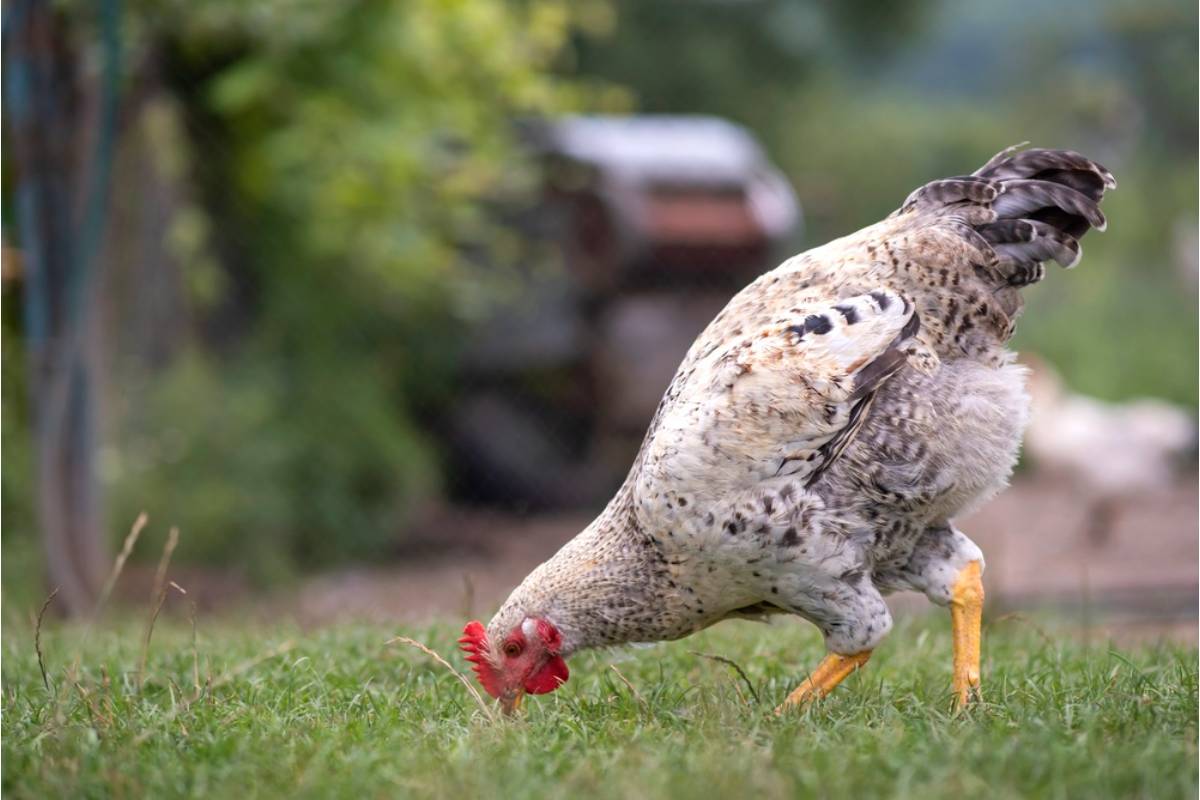
Homeowner Says His Neighbor Keeps Letting Their Chickens Roam Into His Yard to “Naturally” Fertilize the Soil Without Permission
It started with scattered feathers near the garden beds, something the homeowner assumed was a passing hawk or stray cat incident. But then he noticed small scratches in the soil that looked too deliberate to ignore. A few seedlings near the fence were flattened in a pattern that suggested movement, not random wildlife. He stood there for a moment, trying to make sense of how the damage had formed overnight. That was when he first heard faint clucking coming from the neighbor’s side.
Chickens that were supposed to stay contained
The neighbor had mentioned chickens before, but only in passing as a backyard hobby. The coop on the other side of the fence looked secure enough from a distance. Still, the homeowner had never actually seen them outside their enclosure until now. One hen slipped through a loose gap near the fence corner and wandered straight into the garden. It pecked at the soil as if it had been there many times before.
A friendly explanation that does not sound so friendly
When the homeowner walked over to ask about it, the neighbor smiled and said the chickens were helping naturally enrich the soil. He called it free fertilization and seemed proud of the idea. The homeowner asked if letting them cross property lines was intentional. The neighbor shrugged and said chickens do what chickens do. That answer did not feel like an accident, more like a policy.
The garden starts changing in ways that feel uneven
Over the next week, certain areas of soil looked noticeably disturbed compared to others. Some beds seemed over-tilled while others were untouched. Seedlings that were doing fine suddenly appeared uprooted or partially buried. The homeowner began marking rows to track what was happening overnight. Each morning showed small but consistent changes that did not match natural growth patterns.
The first direct confrontation at the fence line
One afternoon, the homeowner waited until the chickens wandered across again before walking over. He called out to the neighbor, pointing at the birds pecking through his vegetable rows. The neighbor insisted they were only improving soil quality and not causing harm. The homeowner disagreed, saying his plants were being destroyed in the process. The conversation ended with both men standing on either side of the fence, neither willing to step back.
A makeshift barrier that does not hold
The homeowner tried reinforcing the fence with extra mesh and wooden stakes. For a short time, it seemed to work, and the garden stayed undisturbed. But within days, a low section near the back corner gave way again. The chickens found the smallest opening and slipped through like they had mapped it out already. The damage resumed almost immediately after.
A neighbor who insists it is all natural
When confronted again, the neighbor doubled down on his explanation. He said chickens scratching soil was healthier than chemical fertilizers and should be welcomed. He even suggested that the homeowner was benefiting whether he noticed or not. The tone shifted from casual to slightly defensive. It was no longer about misunderstanding, but about disagreement in philosophy.
The garden begins losing structure in patches
Certain sections of the garden started collapsing into uneven patches of soil. Root systems were exposed where birds had dug repeatedly in the same spots. Some plants wilted without obvious disease or pests. The homeowner began replanting in shifts, trying to salvage what was left. But each morning brought new disruptions in different areas.
A motion camera reveals the pattern
Frustrated, the homeowner installed a small motion camera facing the fence line. The footage showed chickens entering through the same weak spot at predictable times. It also showed the neighbor occasionally watching from his porch but not intervening. The pattern made it clear that this was not accidental wandering. The birds were being allowed to move freely into the yard.
A community opinion that splits the block
When neighbors heard about the situation, opinions divided quickly. Some thought backyard chickens were harmless and part of suburban life. Others agreed that crossing property lines without permission was unacceptable. The debate spread during casual conversations along driveways and sidewalks. What started as a yard issue began shaping neighborhood discussions.
The homeowner demands accountability
Armed with video evidence, the homeowner returned to the neighbor with a clear request to stop the chickens from entering his yard. The neighbor argued that fencing responsibility was shared and that nature could not be controlled completely. The homeowner pointed to repeated entry points and visible damage. The exchange grew sharper than before, with both refusing compromise. It ended without agreement, only increased frustration.
The city ordinance changes everything
A local code officer was eventually contacted to review the situation. After inspecting both properties, he noted that livestock must remain contained within the owner’s property boundaries. The officer explained that repeated crossing into another yard could be considered a violation. The neighbor did not argue much during the inspection. The tone shifted once official language entered the conversation.
Repairs and stricter containment finally begin
After the visit, the neighbor added stronger fencing around the coop and reinforced weak points near the boundary. The chickens stopped entering the homeowner’s yard within days. The garden slowly began to stabilize again, though some sections never fully recovered. The homeowner focused on replanting and rebuilding structure where soil had been repeatedly disturbed. The tension between the two properties did not disappear completely, but the crossings did.
A yard that remembers what happened
Even after things calmed down, the homeowner could still see uneven patches where the chickens had repeatedly dug. Some plants regrew, but others never returned to full strength. The fence line became a quiet reminder of how quickly a small habit could affect an entire garden. The neighbor continued raising chickens, but behind a more controlled boundary. The yard finally stayed his own again, but not without traces of what had come before.