Homeowner Says His Neighbor Left Complaints About Overgrown Flower Beds for Years, Then Cut Down His Garden’s Tree Shoots Without Permission the Day Before the Landscaper Arrived
A homeowner recently shared his story about a frustrating neighbor dispute that had become part of his everyday life. He and his girlfriend had dealt with the same neighbors for years, and the tension had apparently started even before he moved in, when his grandmother owned the house. What began as occasional complaints had turned into a seemingly endless cycle of notes, criticism, and arguments over how the property should look.
The neighbors were described as older people who seemed particularly interested in keeping an eye on the couple’s home and garden. According to the homeowner, they regularly left notes on his front door to point out things they believed needed attention. Although a disagreement over a garden might sound harmless, years of unwanted criticism had made even the smallest complaint feel like another round in a battle nobody had agreed to fight.
When a Neighbor Becomes an Unofficial Garden Inspector
The latest chapter began about two weeks earlier, when one of the neighbors left a note on the homeowner’s front door. The message instructed him to trim the front bushes and clear the weeds growing in the flower bed at the back of the property. It was not exactly the sort of gardening advice anyone hopes to find waiting at home after a long day.
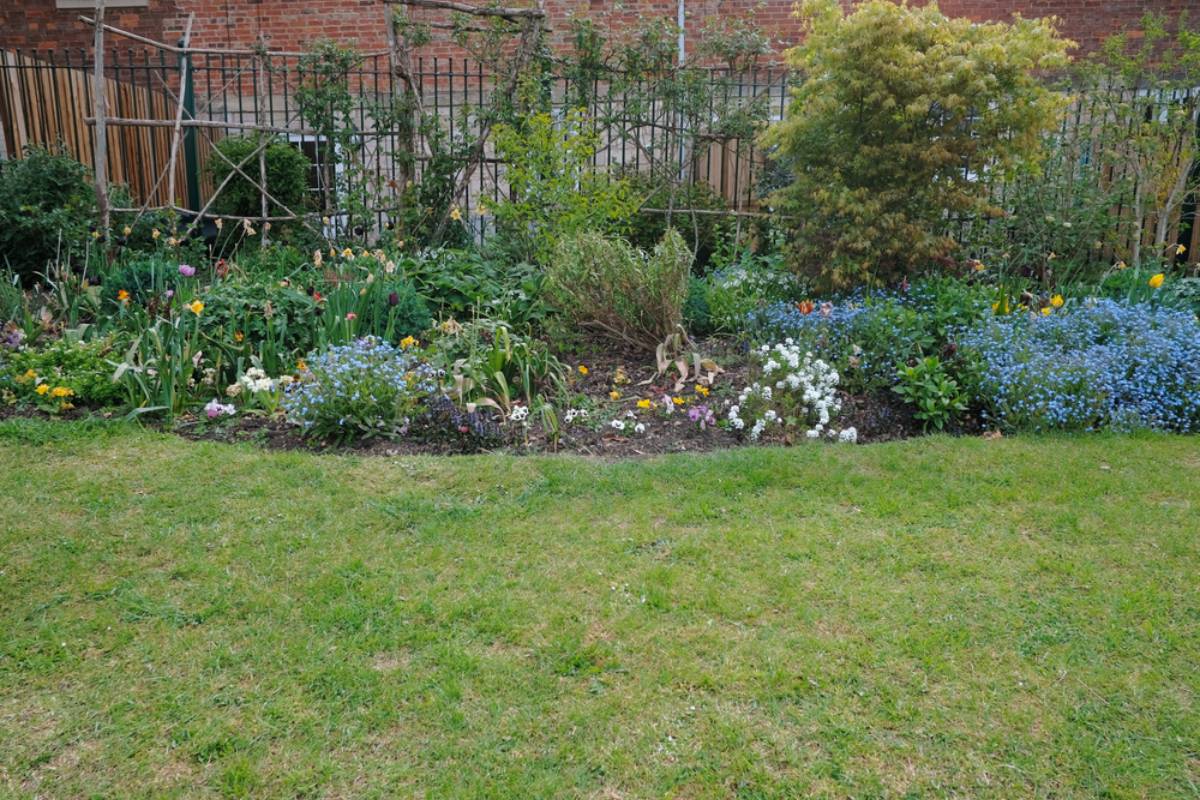
To his credit, the homeowner admitted that the garden was getting out of hand. The bushes needed attention, and the rear flower bed had accumulated enough unwanted growth to attract criticism. However, he insisted that the situation was already being handled, making the note feel less like a helpful reminder and more like another unnecessary complaint.
The Landscaping Appointment Was Already Scheduled
The homeowner had arranged for his landscaper to visit the following day and take care of the garden maintenance. That appointment was supposed to deal with the overgrown areas without requiring him to spend his free time tackling every bush and flower bed himself. As far as he was concerned, the problem had already been identified and a solution was firmly in motion.
This detail mattered because the neighbor’s complaint had arrived just as the homeowner was preparing to fix the garden. He was not ignoring the condition of his property or planning to let the weeds take over permanently. He had hired a professional, scheduled the work, and expected the garden to look better once the appointment was completed.
One Flower Bed Was Accidentally Left Behind
When the landscapers arrived, however, a miscommunication meant that the rear flower bed was not touched. The front bushes might have received attention, but the weeds and unwanted growth at the back remained exactly where they had been. It was an annoying oversight, especially since the homeowner had already paid for the service.
Rather than turn the mistake into a major confrontation, he contacted the landscaper to explain what had happened. The landscaper told him the unfinished area would be handled during the next service visit, which was scheduled according to a regular two-week routine. Since the homeowner had already paid, he decided to let the arrangement stand and wait for the job to be finished.
The Weeds Were Ugly, but the Plan Was Simple
The remaining growth in the flower bed consisted of tree root shoots that had started emerging where they were not wanted. These shoots can become an eyesore in a carefully maintained garden, especially when they appear among flowers or spread across a planting bed. The homeowner acknowledged that they were unattractive, so this was not a case of someone pretending an overgrown garden was perfectly maintained.
He nevertheless had a straightforward plan for dealing with them. The landscaper was expected to return the following day, which meant the homeowner had little reason to rush into another maintenance arrangement. All he needed to do was wait a little longer and allow the person he had hired to finish the work properly.
Then Someone Decided to Take Matters Into Their Own Hands
When the homeowner returned from work one day, he discovered that something had changed in the backyard. The tree root shoots that had been growing in the flower bed had been chopped down, and the cut pieces were lying across the yard. The weeds were gone, but the way they had disappeared created a much bigger problem than the plants themselves.
At first glance, someone might have assumed that the landscaping job had finally been completed. But the homeowner knew his landscaper had not been scheduled to visit until the next day, and there was no reason to believe the work had been carried out as planned. Instead, he suspected that his neighbor had entered the property and taken it upon himself to deal with the offending growth.
A Cleaner Flower Bed Came With an Unwanted Surprise
The homeowner’s frustration was not simply about losing a few unwanted shoots. He was angry that someone appeared to have crossed onto his property, cut down plants, and left the resulting mess behind without speaking to him first. Even an ugly flower bed did not give another person permission to decide how and when it should be maintained.
The timing made the incident particularly irritating because the landscaper was due to arrive the following day. Had the neighbor waited another twenty-four hours, the professionals would have handled the unfinished area as part of the existing arrangement. Instead, the homeowner was left wondering why someone would interfere with a job that was already scheduled to be completed.
The Difference Between Helping and Overstepping
In another situation, a neighbor might have offered to help clear the weeds or politely asked when the flower bed would be tidied. That kind of conversation could have solved the problem without turning a patch of unwanted growth into a neighborhood dispute. Here, the homeowner felt that the neighbor had skipped the conversation entirely and gone straight to action.
Even if the neighbor genuinely believed he was improving the garden’s appearance, that would not automatically make the decision welcome. A person can dislike an untidy flower bed without becoming responsible for maintaining it. The homeowner’s complaint was less about protecting the tree shoots themselves and more about being given no say in what happened inside his own backyard.
The Old Argument Had Found a New Target
Because the neighbors had been a source of tension for years, the latest incident did not feel isolated to the homeowner. His grandmother had reportedly experienced problems with them before he became the owner, suggesting that the relationship had been strained across more than one generation. The dispute over the flower bed was therefore landing on top of a much older pile of frustration.
That history helps explain why the chopped shoots bothered him so much. If a stranger had mistakenly cut down some unwanted growth, the homeowner might have treated it as a bizarre misunderstanding and moved on. Coming from neighbors with whom he already had a difficult relationship, however, the incident felt like another example of them taking an interest in property that was not theirs to manage.
The Mess in the Backyard Made Things Worse
The cut shoots had not simply vanished from the flower bed, leaving the area neat and tidy. They had been left lying across the backyard, meaning the homeowner still had to deal with the debris after someone else had decided to perform the pruning. What might have been presented as garden maintenance had instead created another chore for the property’s actual owner.
That detail made the situation even more aggravating because the homeowner had never requested the help in the first place. He had hired someone to take care of the garden and expected the job to be completed through that arrangement. Instead, he came home to evidence of work he had neither authorized nor supervised, with the cleanup apparently left for him to sort out.
Was the Neighbor Trying to Help or Make a Point?
The homeowner’s account did not establish exactly what motivated the neighbor to cut down the shoots. Perhaps the neighbor was genuinely bothered by the untidy flower bed and decided he could no longer wait for it to be cleared. Alternatively, given the history between the households, the homeowner may have viewed the action as another attempt to pressure him into maintaining the garden according to someone else’s standards.
Without hearing directly from the neighbor, it is impossible to know which explanation best fits the situation. Still, the timing was difficult to overlook, particularly because the landscaper was due the next day. Even if the neighbor believed he was doing the right thing, a quick conversation could have avoided much of the resentment that followed.
The Homeowner Started Questioning His Own Reaction
Despite being angry, the homeowner wondered whether he was overreacting to what had happened. He admitted that the tree shoots were weeds and that the flower bed needed attention, which suggests he understood why someone might dislike its appearance. He was not claiming that every plant in his garden deserved to remain untouched forever.
His concern was that the neighbor had apparently entered the backyard and cut down the growth without asking. The fact that the job was already scheduled made the action seem even more unnecessary, and the mess left behind only added to his frustration. He wanted advice on whether his anger was reasonable or whether he was allowing years of strained relations to make this latest incident feel worse than it was.
What a Respectful Neighbor Could Have Done Instead
A more constructive approach would have been to speak with the homeowner about the remaining garden work. The neighbor could have mentioned the tree shoots, asked when the flower bed would be cleared, or simply waited to see whether the scheduled landscaping visit resolved the problem. Any of those options would have allowed the homeowner to respond without feeling that someone had taken control of his property.
The homeowner had already shown that he was willing to maintain the garden, even acknowledging that the growth had become untidy. That is an important distinction because the disagreement was not really about whether the flower bed needed attention. It was about whether a neighbor could decide to carry out work on someone else’s property without permission, then leave the owner to deal with the aftermath.
The Twist Was That the Fix Was Only One Day Away
The most frustrating part of the story was how close the garden was to being dealt with properly. The homeowner’s landscaper was scheduled to return the following day, meaning the remaining work was not being postponed indefinitely. A little patience could have allowed the professionals to finish the job without anyone getting involved in an unwanted confrontation.
Instead, the neighbor’s apparent intervention turned a temporary landscaping delay into another source of tension. The tree shoots had been cut, but the homeowner was now dealing with anger, uncertainty, and a backyard scattered with plant debris. What should have been an ordinary gardening task had become another chapter in a long-running neighborhood feud.
A Garden Is More Than What It Looks Like From Next Door
From the sidewalk, an overgrown flower bed can look like a simple maintenance problem that needs an immediate solution. For the person who owns the property, however, the situation involves schedules, costs, arrangements with contractors, and the right to decide how the garden is maintained. A neighbor may have strong opinions about what should be trimmed, but those opinions do not automatically make the neighbor responsible for the work.
In this case, the homeowner was already addressing the problem when the situation took an unexpected turn. His account raises a familiar question for anyone who has dealt with a particularly interfering neighbor: where does concern for the neighborhood end and unwanted interference begin? The plants may have been unwanted, but the homeowner’s need for privacy and control over his own garden was the real issue at the heart of the story.