A Mother Spent Years Rebuilding Her Neglected Garden, Then One Black Cat Turned Her Flower Beds Into Its Private Toilet
A person shared his story after buying a house in 2022 and discovering that the garden had been almost completely swallowed by weeds and overgrown hedges. The property had previously been used as student housing, and years of neglect had hidden just how much garden was actually there. Eventually, the family uncovered an old path and patio beneath the vegetation, revealing just how much work would be required to bring the outdoor space back to life.
The garden became a serious project rather than a quick weekend cleanup. Hedges were cut back, weeds were removed, and areas that had practically disappeared were slowly reclaimed. But after all that effort, one unexpected visitor would turn the family’s beautiful new garden into something of a nightly crime scene.
A Garden Project Became a Family Project
The homeowner was not simply trying to improve the property for appearances. She wanted the garden to become a place where she could spend time with her young daughter, including growing vegetables together and creating something they could enjoy throughout the seasons. Planting vegetables became one of those small family projects that make all the digging, watering, and weeding feel worthwhile.
Unfortunately, their situation also meant the garden needed to be kept especially clean. The daughter is immunocompromised because of a rare medical condition, making exposure to contaminated soil and animal waste a serious concern for the family. What might have been an irritating nuisance for another gardener quickly became a much bigger problem in this household.
Then Someone Started Using the Planters
The first signs of trouble appeared in places where the family least wanted them. Animal waste began turning up in planters, flower beds, and even on the patio. The homeowner originally did not know what creature was responsible and suspected the culprit might have been a dog wandering into the garden.
Then the problem kept spreading. The family planted vegetables with their daughter, only to discover that the growing area had been contaminated badly enough that everything had to be thrown away. A gardening project that was supposed to create happy memories was suddenly producing a pile of plants that could not safely be eaten.
The Patio Became the Next Target
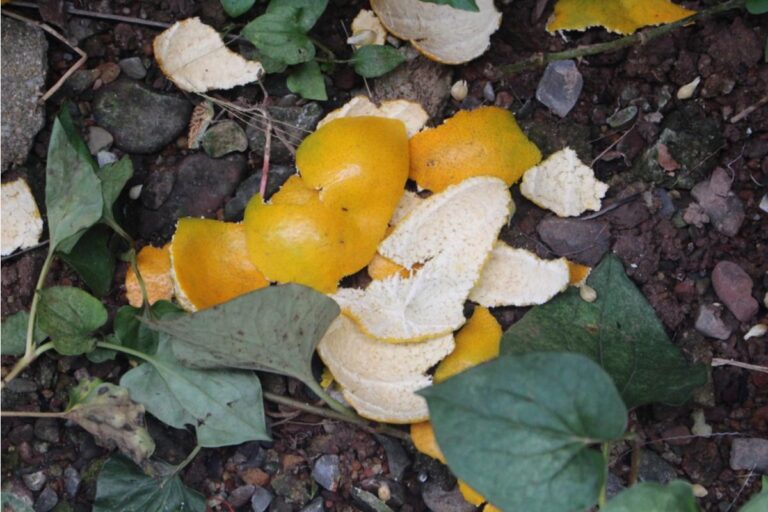
The family tried to fight back by transforming the patio itself. They pressure-washed the surface, treated weeds, painted it, and eventually added gravel to make the area easier to maintain. Citrus scents, pepper, peppermint, and noise-producing deterrents were all tried in hopes that the mysterious visitor would finally move on.
Instead, the animal seemed completely unimpressed. Waste appeared on the weed membrane and later on the fresh gravel, making it feel as though every improvement only created another surface that needed cleaning. The patio was no longer simply part of the garden, it had become another location on the mystery offender’s growing list.
The Flower Bed Took the Worst Hit
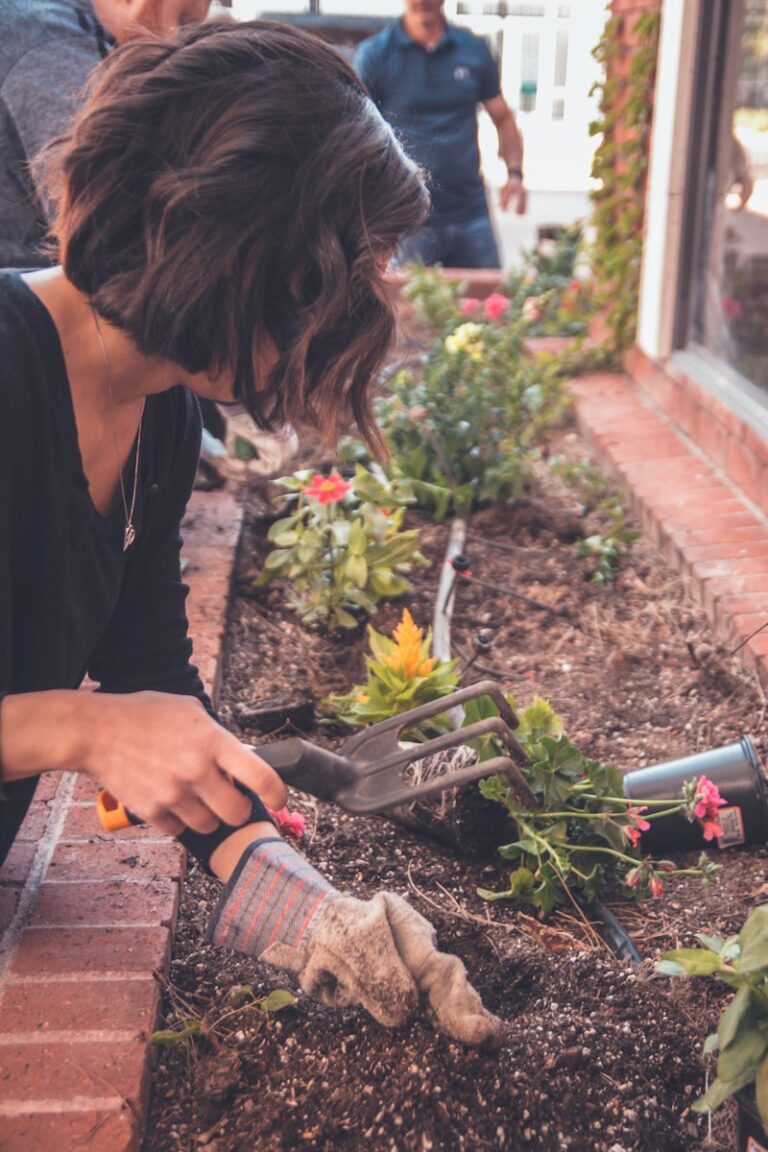
The flower bed near the front door was especially frustrating because it was impossible to ignore. On warm days, the smell became overwhelming, turning what should have been a welcoming entrance into the house into the worst-smelling part of the property. The homeowner had spent hours digging out weeds, broken bricks, old crockery, and compacted debris before rebuilding the bed with compost and new plants.
Motion-activated lights and other deterrents were added, but the problem continued. One particularly painful casualty was a peony that was damaged beyond recovery. Then the mysterious visitor began targeting the lavender, even digging it up after the homeowner had planted it partly to help cover the lingering smell.
The Gloves Had to Come Out
At this point, gardening became a much more unpleasant experience than the homeowner had ever expected. She began wearing two pairs of gloves whenever she worked outside because she could no longer assume that the soil or planting beds were clean. Every gardening session required the possibility of discovering another fresh mess.
The most frustrating part was that the family was not dealing with an occasional accident. The pattern kept repeating in several different parts of the garden, and the cleaning seemed endless. Instead of wondering which flowers to plant next, the homeowner was wondering which part of the garden would be contaminated next.
Then the Security Camera Solved the Mystery
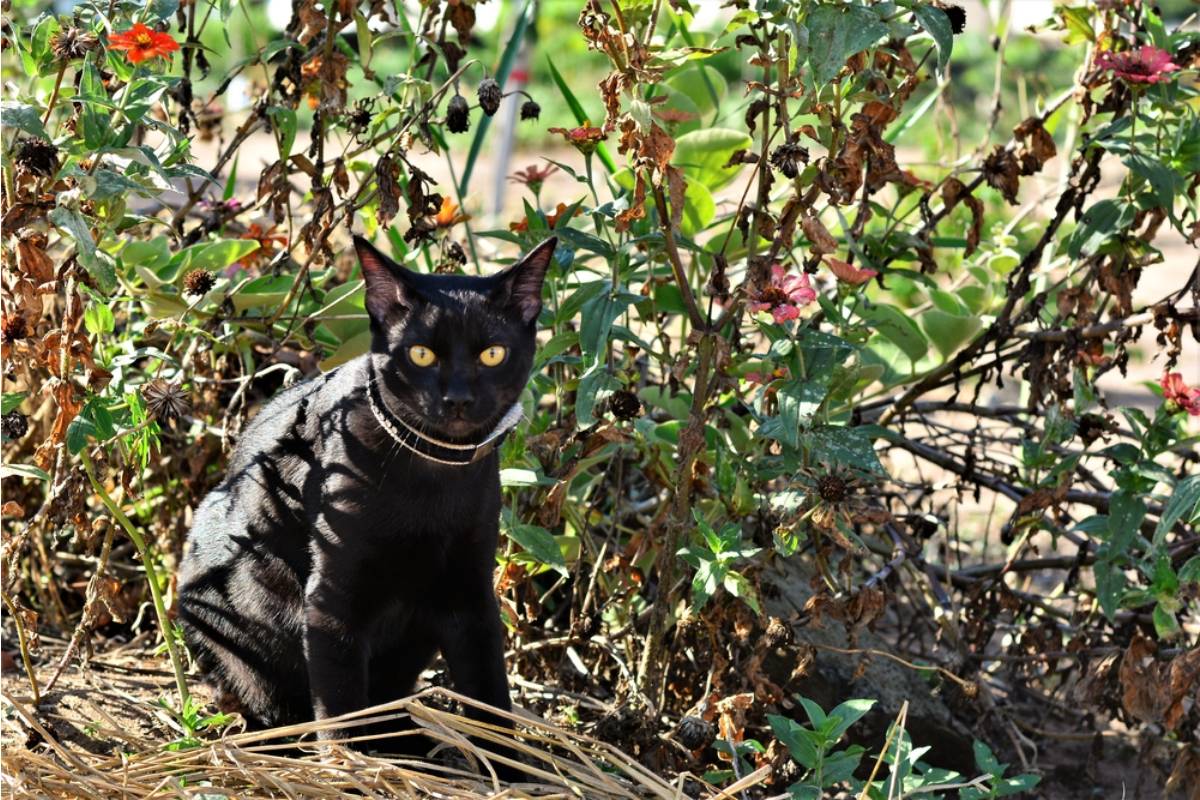
The mystery finally took a dramatic turn when the homeowner captured the culprit on camera. The animal was not a dog, fox, or some other wandering creature as initially suspected. It was one specific black cat that had apparently decided the garden was an ideal private bathroom.
The discovery explained why many of the previous deterrents had failed. The cat was not randomly passing through the property before making a quick mistake, it was repeatedly returning to the same garden and using different areas as its toilet. Suddenly, the family knew exactly what they were dealing with, but they still had to figure out how to stop it.
The Fences Were Not Enough
The family had already taken what seemed like a major step by installing a new fence around the back garden and patio. The idea was to block access from a shorter wall the cat had been using to jump down into the garden. A new wooden playhouse for the daughter was added too, making the enclosed area even more important as a safe family space.
Yet the cat simply found another way in. Before long, the homeowner discovered waste on the patio again, proving that a six-foot fence was apparently nothing more than a minor inconvenience to a determined feline. The garden had become a fortress with an extremely talented intruder.
The Lavender Could Not Catch a Break
The lavender became an especially ironic victim in the story. The homeowner had planted it because its fragrance might help make the area more pleasant after repeated fouling. Instead, the cat began pooping directly on top of the plants and digging some of them out.
It was almost as though the cat had developed a personal grudge against the flower bed. Every time the homeowner tried to improve the smell or replace a damaged plant, the garden visitor returned with another destructive surprise. The lavender was supposed to hide the problem, but instead became part of the problem.
Gardeners Suggested Fighting Back With Water
A response from a person suggested a motion-activated sprinkler, which quickly became one of the most popular ideas. The concept was simple: instead of relying on smell, the garden itself would suddenly surprise the cat with a burst of water whenever it entered. Several people said this approach had worked better for stubborn cats than scented repellents.
Other gardeners suggested manually spraying the animal with a hose or water pistol when it appeared. The important part, they explained, was consistency, because the goal was to make the garden feel like an inconvenient place to visit. After months of trying passive deterrents, a sudden sprinkler sounded like a very different kind of gardening strategy.
Others Built a Cat-Proof Garden
Some responses went in a completely different direction and suggested treating the garden like a protected growing enclosure. Netting or cages could be placed over vegetable beds and planters so the cat could no longer reach the soil it wanted to dig. One gardener described using simple supports and netting to protect raised beds, which also had the side benefit of keeping other garden pests away.
For this family, that solution had an obvious appeal because the goal was not merely protecting flowers. The real objective was creating a clean outdoor space where a child could safely enjoy gardening without the family constantly worrying about contamination. It was becoming less about winning a battle with a cat and more about reclaiming the garden itself.
The Fence Needed a New Trick
Another idea focused on the route the cat was using to enter. Instead of making fences taller and taller, gardeners suggested adding angled barriers or rotating rollers along the top so the cat could not get a secure foothold. The key was preventing the animal from jumping down into the garden after reaching the boundary.
The suggestion sounded almost absurd compared with the original plan to grow strawberries and tomatoes. Yet there was a certain logic to turning the fence into something the cat could not comfortably navigate. After all the citrus, pepper, peppermint, lights, noise devices, gravel, and cleaning, the garden was finally being redesigned around one very persistent visitor.
Then Someone Questioned the Culprit Again
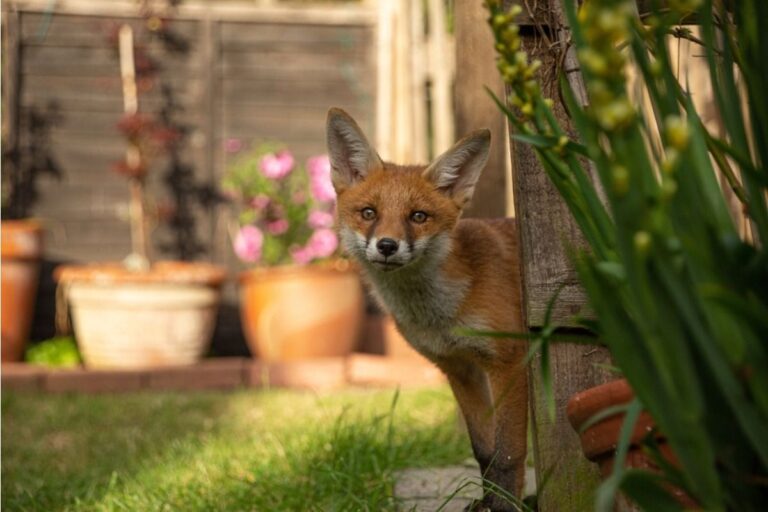
Even after the camera footage, some people were surprised by the behavior. Cats are often associated with digging loose soil and attempting to bury waste, so repeated incidents on gravel, patios, and plants seemed unusual to several gardeners. Some suggested that a fox might be responsible, especially because the waste looked larger than expected.
But the camera settled the argument. The homeowner had actually caught the same black cat in the act, including appearances during the night and early hours of the morning. The mystery was no longer about who was doing it, but about how one determined cat had managed to turn an entire renovated garden into its personal territory.
The Cat Had Apparently Chosen the Garden for a Reason
One response from a person explained that cats can become attached to particular territories and repeatedly return to places they find suitable. Freshly dug beds may be especially tempting because loose soil resembles the kind of surface a cat naturally wants to investigate. That meant all the hard work the homeowner had put into preparing beautiful planting beds may have accidentally made them more attractive to the unwanted visitor.
In an ironic twist, the garden’s success could have been part of its downfall. After years of recovering the neglected property, the family had created exactly the kind of soft, freshly worked soil that a roaming cat might find appealing. The better the garden became, the more attractive some of its new planting spaces seemed to be.
The Garden Was Supposed to Be About Her Daughter
Through all of the frustration, the biggest loss was not a ruined plant or another bag of disinfectant. The homeowner had wanted to grow strawberries and tomatoes with her daughter and give her a chance to enjoy the garden alongside her. Instead, the family spent time cleaning contaminated surfaces and throwing away plants they had carefully grown together.
She had even received a wisteria plant as a Mother’s Day gift, but the ongoing problems had become so discouraging that she was considering giving it away. After putting so much work into reclaiming the garden, she was now questioning whether it was worth continuing to plant anything at all. That is what made the situation feel so unfair.
Now the Search for a Solution Has Become Personal
The homeowner is trying to identify and contact the cat’s owner rather than simply accepting the situation as something that has to be tolerated. Her hope is that the owner will understand the circumstances and work with the family to find a solution. She also wants them to appreciate that this is not simply a matter of stepping outside and finding an annoying pile of waste.
Until then, she is left trying one garden defense after another while keeping her daughter safe. The latest ideas include fence barriers, protective netting, water deterrents, and other ways to make the garden less appealing without harming the animal. After rebuilding a neglected yard from scratch, the family has discovered that the hardest garden pest to defeat may be the one that can jump over the fence.
The Next Chapter Could Be the Biggest Garden Makeover Yet
What started as a neglected student garden hidden under weeds has turned into a much bigger gardening challenge. Paths were uncovered, patios were restored, flower beds were rebuilt, vegetables were planted, and new plants were carefully chosen for the family’s outdoor space. Yet after all that work, the most important project may now be keeping a single black cat on the other side of the fence.
The strange twist is that the family has already proved it can transform the garden once. Now they have to transform it again, this time into a place the persistent visitor no longer considers worth visiting. For a gardener who began by reclaiming an abandoned yard, that may be the final chapter in the renovation: not just growing a beautiful garden, but finally making it feel like hers again.