Homeowner Says His Neighbor’s New Above Ground Storage Container Has Been Blocking Morning Sun From His Garden for Six Months With No Plans to Move It
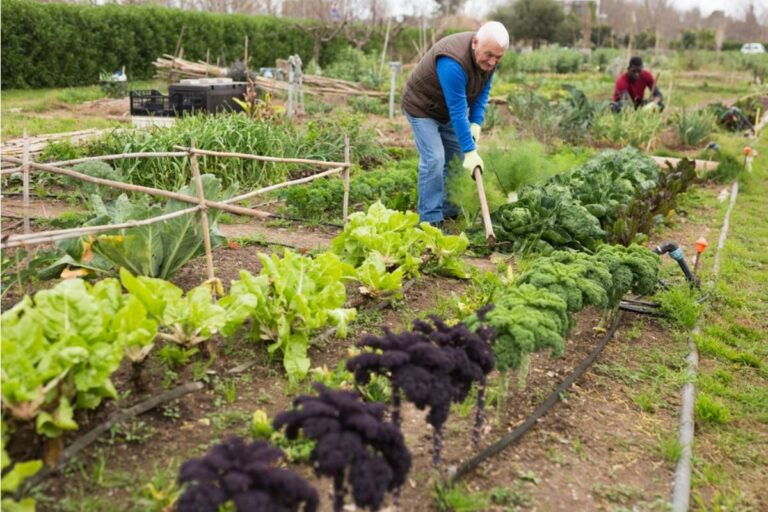
For nearly eight years, my vegetable garden followed the same dependable rhythm every growing season. The eastern edge of my backyard caught the first light of the morning, warming the soil before the afternoon heat arrived. Tomatoes climbed tall cages, peppers filled raised beds, and cucumbers spread across trellises that seemed to grow a little farther every week.
I planned my entire garden around those early hours of sunlight because they made the biggest difference during the hottest months of the year. Then my neighbor placed a massive above ground storage container along our shared property line, and overnight the first half of every morning disappeared behind a wall of steel.
The Delivery Drew Curious Crowds
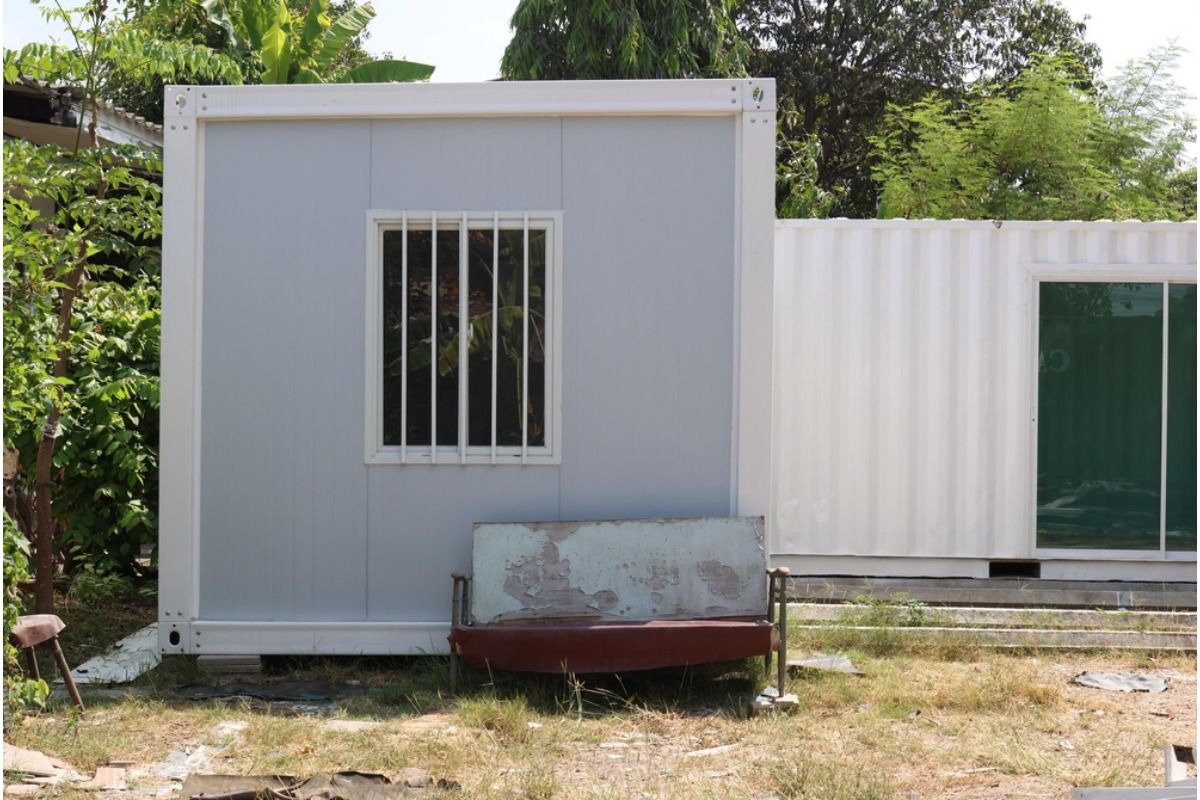
The container arrived on a large flatbed truck that barely fit through our neighborhood streets. Several neighbors stepped outside to watch as a crane carefully lowered it onto a gravel pad beside my neighbor Eric’s garage. Most of us assumed it would stay there only temporarily while he renovated part of his house.
Eric waved cheerfully and explained he needed extra storage for construction materials. Nothing about that conversation suggested the container would become a permanent fixture.
The First Week Felt Like an Adjustment
At first I tried not to worry. Construction projects often required temporary inconveniences, and I expected the container would disappear within a month or two. Even though my garden looked noticeably darker during breakfast, I convinced myself the plants would adapt.
The vegetables continued growing, but I noticed they reached toward the remaining sunlight more than usual. Their stems leaned slightly west instead of standing straight as they had in previous seasons.
Changes Appeared One Plant at a Time
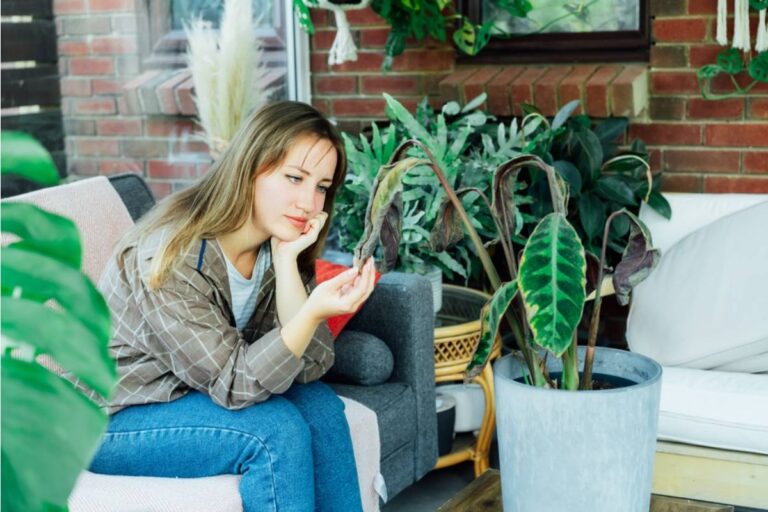
By the middle of the season, the differences became impossible to ignore. The tomato plants closest to the fence produced fewer blossoms than those farther away. My basil remained thin instead of growing into the full, leafy bushes I normally harvested every week.
I compared photographs from earlier years and realized the shaded section had always been the most productive part of the garden. Now it looked like two completely different growing spaces divided by an invisible line.
I Chose Conversation Before Complaints
One evening I walked over while Eric was unloading tools from the container. I explained that the structure blocked several hours of morning sun and asked whether he planned to move it once his renovation ended.
He smiled politely and said he hoped to relocate it soon, but the project had taken longer than expected. His answer sounded reasonable, so I thanked him and decided to be patient.
The Renovation Quietly Ended
Several months later, the sound of construction stopped completely. Fresh paint covered Eric’s house, new landscaping appeared around the front yard, and delivery trucks no longer arrived. Everything looked finished except for the giant storage container.
Weeks passed without any sign that it would be removed.
Instead, Eric added shelving inside and installed a small security light above the door.
My Harvest Told the Story
That summer produced the smallest tomato harvest I had experienced in years. Pepper plants closest to the container stayed noticeably shorter than identical varieties growing only a few feet farther away. Even vegetables that survived lacked the usual vigor.
Friends visiting for backyard dinners asked whether I had changed fertilizer or soil. I found myself explaining the same story over and over while pointing toward the towering metal wall.
Another Neighbor Shared a Similar Frustration
During a neighborhood cookout, the family living behind Eric quietly mentioned they had also been affected. Their flowering shrubs received much less morning light, and several had stopped blooming as heavily as before.
Until that conversation, I assumed my garden was the only property impacted. Hearing someone else describe nearly identical problems changed the situation entirely.
An Unexpected Comment Raised Questions
One afternoon I overheard two delivery drivers speaking with Eric while dropping off supplies. One asked whether he planned to buy a second container because the first one was already filling up. Eric laughed and replied that the container had become more useful than his garage.
That casual remark caught my attention immediately.
It suggested the structure was no longer temporary at all.
I Asked a More Direct Question
The following weekend I approached Eric again, this time asking whether he intended to keep the container permanently. He admitted he liked the extra storage and had no immediate plans to move it anywhere else.
I reminded him about our earlier conversation regarding the garden. He apologized for the inconvenience but explained that relocating the container would require significant effort, so it remained low on his priority list.
My Garden Needed a Different Strategy
Rather than spend another season hoping for change, I contacted a local gardening expert. After walking through the yard, she suggested moving certain crops to sunnier locations while replacing the shaded beds with vegetables and herbs that tolerated lower light.
The recommendation made practical sense, but it also meant redesigning years of careful planning because of something happening beyond my property line.
A Survey Changed the Discussion
While preparing to move several raised beds, I hired a surveyor to confirm the exact property line before installing new fencing. During his measurements, he noticed something unusual about the container’s placement.
Part of its concrete support pad extended beyond Eric’s property boundary.
The container itself remained on his land, but the foundation beneath one corner crossed onto mine.
The Discovery Led to a Different Conversation
When I showed Eric the completed survey, he looked genuinely surprised. He admitted he had relied entirely on the delivery company’s placement and never verified the measurements afterward. Neither of us had expected the support pad to cross the property line.
Instead of arguing, we contacted the installation company together. After reviewing their original work, they acknowledged the mistake and agreed to correct it.
A Better Solution Appeared Unexpectedly
The installation company proposed something neither of us had considered. Rather than simply trimming the support pad, they offered to relocate the entire container to the far side of Eric’s backyard where it would remain accessible without affecting neighboring gardens.
Eric hesitated at first, but after realizing the new location actually made loading equipment easier, he agreed.
Watching the crane lift the container away felt strangely satisfying after six months of frustration.
Morning Returned to the Garden
Within days of the container’s relocation, the first rays of sunlight reached the eastern beds again. The difference was immediate. New growth appeared on struggling pepper plants, herbs became noticeably fuller, and climbing beans once again stretched toward the early light instead of leaning sideways.
The following growing season became one of the strongest I had experienced in years. Eric often joked that moving the container improved both of our properties because he gained easier access while I regained my garden. Looking back, the biggest lesson was not about sunlight or storage. It was about how easily temporary decisions can become permanent until someone takes the time to revisit them with honesty, patience, and a willingness to find a solution that works for everyone.