Homeowner Says His New Neighbor Kept Bringing Tomatoes From Her Garden and Asking About His Daughter, Then He Realized Her Friendly Gestures Were Becoming an Unwanted Invitation Into His Life
Moving to a new home is supposed to be a chance to start fresh, enjoy some peace, and settle into a routine without feeling obligated to entertain the entire neighborhood. But sometimes, the person living next door has a very different idea of what being good neighbors should look like. A person shared his story about moving to a new town with his partner, only to find himself struggling with a neighbor whose garden-fresh gifts and persistent conversations were becoming increasingly uncomfortable.
The surprising part was that the neighbor was not described as openly hostile or deliberately destructive. She was offering homegrown tomatoes, asking questions, and seemingly trying to build a friendship, which made the situation much harder to navigate. What happens when a kind gesture from a neighbor starts feeling like an invitation you never agreed to accept?
A Fresh Start Was Supposed to Bring Peace and Quiet
The homeowner and his partner had recently moved into a new house in a new town, where they did not know many people. That was largely the point, as they wanted a fresh beginning without the social obligations that can come with an established neighborhood. They were happy to settle into their own routine and enjoy their home together.
Like many homeowners, they probably imagined spending quiet evenings relaxing, maintaining their property, and enjoying their surroundings without having to make small talk every time they stepped outside. Their new home represented a chance to choose how much social interaction they wanted. Unfortunately, their next-door neighbor appeared ready to make that decision a little more complicated.
The Neighbor Had a Garden and Plenty of Friendly Intentions
Next door lived a family consisting of a husband, wife, and two children. The homeowner explained that the wife frequently tried to strike up conversations, even though the two struggled to understand each other because of a language barrier. What might have been an ordinary neighborly greeting quickly became a recurring situation that left him unsure how to respond.
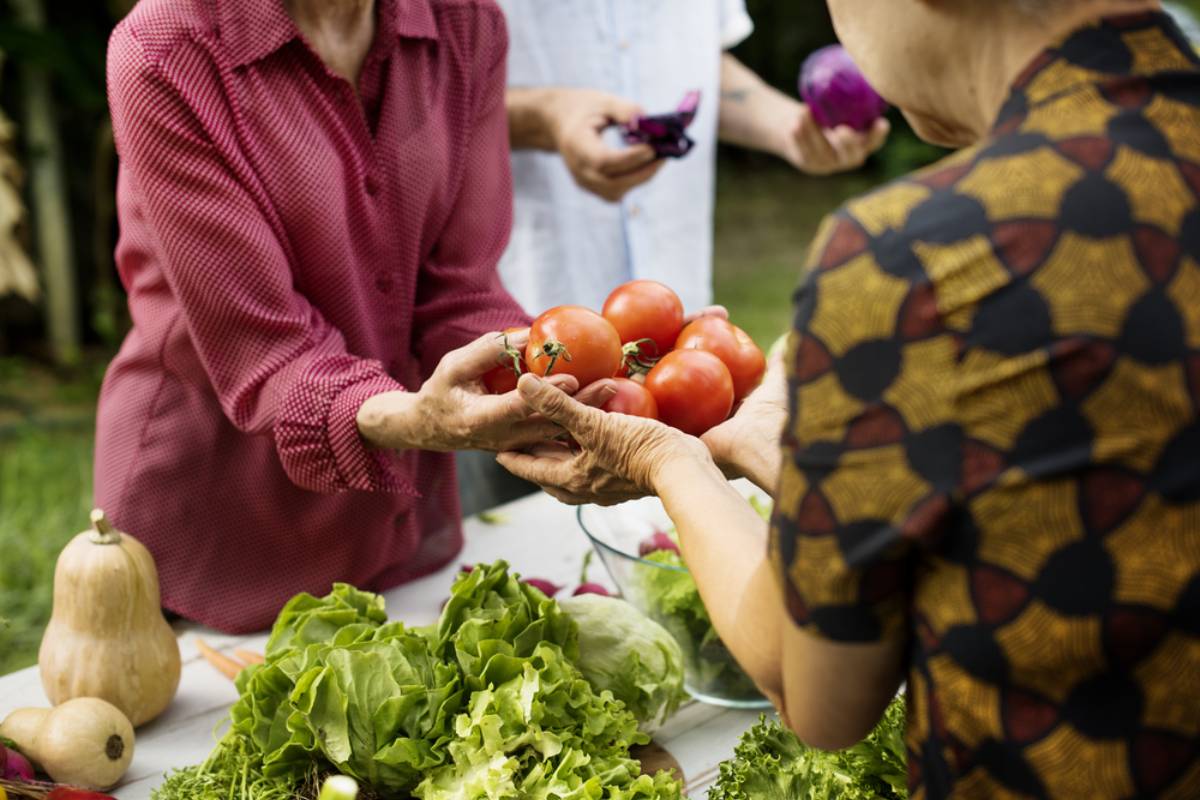
The neighbor also had a garden, and its produce became part of the growing awkwardness. She would bring him tomatoes, apparently intending them as a friendly gift and an opportunity to connect. Fresh tomatoes are usually a welcome treat for anyone who enjoys cooking, but even the most beautiful homegrown harvest can become uncomfortable when the recipient feels pressured into a relationship.
Homegrown Tomatoes Became More Than Just a Gift
There is something charming about a neighbor sharing the results of a successful vegetable garden. A basket of ripe tomatoes can turn into homemade salsa, a fresh salad, or a delicious pasta sauce, and such gestures often help people feel connected to their community. In this case, however, the homeowner did not seem interested in building the kind of relationship his neighbor was trying to establish.
The problem was not necessarily the tomatoes themselves, but what the repeated gifts appeared to represent. Each delivery created another opportunity for conversation, questions, and an expectation of friendliness that he did not want to encourage. What looked like simple generosity from one side was becoming an uncomfortable social obligation on the other.
Questions About His Daughter Made Things More Awkward
The homeowner mentioned that his daughter occasionally visited him and his partner. During her attempts to engage with him, the neighbor would ask questions about where his daughter was. Although such questions might seem harmless in an ordinary conversation, repeated inquiries can feel intrusive when someone has not invited that level of familiarity.
The situation became particularly difficult because the homeowner did not know how to explain his discomfort without appearing rude. He wanted to keep his family life private, but he also did not want to turn a relatively peaceful neighborhood into a place filled with unnecessary tension. Every question left him facing the same dilemma: how could he protect his privacy without making a friendly neighbor feel deliberately rejected?
The Language Barrier Made a Simple Conversation Complicated
Communication was one of the biggest obstacles in the situation. The homeowner explained that he was unsure which language his neighbor spoke, and she did not seem to understand him particularly well. That made it difficult to communicate subtle social cues or explain his preference for keeping to himself.
In many neighborhoods, people rely on small signals to understand one another, from brief greetings to polite excuses for ending a conversation. Those signals do not always translate clearly when two people have difficulty communicating. The homeowner felt that his attempts to show he was not interested in a friendship were not getting through, leaving him stuck in a cycle of repeated interactions.
He Tried to Be Civil Without Encouraging a Friendship
The homeowner made it clear that he understood the importance of being civil to the people living nearby. Nobody wants to create unnecessary hostility with someone who shares a property boundary, especially when both households are likely to remain in the same place for years. At the same time, he did not believe politeness should require him to become friends with someone simply because they lived next door.
That distinction is important because friendliness and friendship are not the same thing. A person can wave hello, exchange an occasional greeting, and remain respectful without wanting regular conversations or personal questions. The homeowner was trying to maintain precisely that balance, but his neighbor’s continued attempts to connect made it difficult to establish a comfortable distance.
The More He Hinted, the Less the Situation Seemed to Change
Rather than directly confronting his neighbor, the homeowner had been relying on hints to communicate his lack of interest. That approach may feel gentler than an explicit rejection, particularly when the other person seems well-intentioned. However, hints can be difficult to interpret, even without a language barrier.
His neighbor may have interpreted his politeness as encouragement rather than a request for distance. Accepting a tomato or answering a question might have seemed like an indication that he was willing to keep talking. The result was a frustrating mismatch in expectations, with one person attempting to create a friendship while the other hoped the interactions would gradually fade.
The Neighbor Might Have Thought She Was Being a Good Neighbor
From the neighbor’s perspective, sharing vegetables and asking about the family next door may have been perfectly normal ways to welcome newcomers. In some communities, giving away garden produce is a traditional expression of hospitality, and regular conversations are simply part of everyday neighborhood life. She may have believed she was helping the new residents feel welcome in an unfamiliar town.
That possibility makes the situation more complicated than a straightforward dispute between two hostile neighbors. There was no reported argument over property lines, no accusation of garden damage, and no dramatic confrontation over a fence. Instead, two people appeared to have different ideas about how much interaction a good neighbor should expect, and neither had found a comfortable way to bridge that gap.
A Friendly Vegetable Garden Could Not Fix Every Boundary
A productive vegetable garden can bring people together, especially when neighbors share tomatoes, cucumbers, herbs, or other fresh produce. Gardening communities often thrive on exactly this kind of generosity, with surplus harvests becoming an easy excuse to introduce themselves and exchange growing tips. But even the friendliest garden cannot guarantee that everyone receiving its bounty wants a closer relationship.
The homeowner’s story highlights a boundary that can be easy to overlook in enthusiastic gardening circles. Sharing produce is a lovely gesture when it is welcomed, but it should not become a test of whether someone is willing to socialize. A person can appreciate the effort behind a gift while still preferring to keep their personal life private.
Being Polite Does Not Mean Owing Someone Your Time
One of the most important questions raised by the situation is whether accepting someone’s kindness creates an obligation to return it with friendship. The homeowner seemed worried that declining the neighbor’s attempts to connect would make him appear ungrateful or unfriendly. That concern is understandable, particularly when the other person has not done anything obviously malicious.
However, courtesy does not require unlimited access to someone’s attention. Homeowners are allowed to enjoy their gardens, yards, and outdoor spaces without feeling that every encounter must turn into a lengthy conversation. A respectful greeting can be enough, and nobody should have to justify their preference for a quieter social life.
A Direct Message Might Work Better Than Subtle Hints
A practical solution would be to communicate the boundary in simple, direct language. Rather than relying on indirect signals, the homeowner could explain that he and his partner prefer to keep to themselves and are not looking to develop close friendships with neighbors. Because of the language barrier, a short written message translated into the neighbor’s preferred language might make the meaning clearer.
The wording would not need to accuse the neighbor of doing anything wrong. He could thank her for the tomatoes while explaining that they prefer a quiet, private lifestyle and may not always stop to chat. That approach would give her a clearer understanding of his wishes without turning a misunderstanding into a personal conflict.
The Garden Gifts Were Kind, but the Feelings Were Different
The situation also shows why the intention behind a gesture does not always determine how it is received. A person can offer something with genuine warmth while the recipient experiences the gesture as uncomfortable or burdensome. Neither reaction automatically makes someone a bad person, although both sides need to respect the other’s boundaries.
The neighbor’s tomatoes may have represented friendship, hospitality, and a desire to welcome a new family to the area. For the homeowner, however, the gifts had become associated with unwanted conversations and questions about his daughter. The same basket of vegetables could therefore carry two very different meanings, depending on which side of the fence someone stood.
A Response From a Person Offered Sympathy for the Homeowner
A response from a person expressed sympathy for the homeowner, reflecting how uncomfortable the situation could feel to someone who values privacy. That reaction suggested that the problem was not necessarily the neighbor’s gardening hobby or her decision to share vegetables. Rather, it was the feeling of being repeatedly approached when the homeowner had already tried to signal that he wanted distance.
Still, sympathy for the homeowner does not mean the neighbor must have been acting with bad intentions. The available account does not establish that she was deliberately ignoring a clear verbal rejection, and the language barrier may have contributed to the misunderstanding. A direct, understandable conversation would offer a better chance of resolving the problem than assuming either person was trying to cause trouble.
The Real Twist Was That Nobody Had to Be a Villain
Many neighborhood disputes begin with something much more serious, such as damaged plants, stolen vegetables, overgrown hedges, or arguments about where a fence should stand. This story was different because the central conflict involved an ordinary act of kindness that had become unwelcome. The homeowner did not describe a malicious neighbor destroying his garden, but someone whose enthusiasm for connecting with others did not match his own preferences.
That makes the story surprisingly relatable, even for people who love gardening and sharing their harvests. A neighbor who offers fresh tomatoes might be a dream come true for one homeowner and an awkward social challenge for another. Sometimes, the trickiest garden-boundary problem is not where the plants end, but where one person’s desire for friendship meets another person’s need for privacy.
Homeowners Can Enjoy Their Gardens Without Becoming Best Friends With Everyone
Ultimately, the homeowner’s experience is a reminder that a peaceful neighborhood does not require every resident to become close friends. People can exchange greetings, respect each other’s property, and coexist pleasantly without sharing family details or spending time together. Healthy boundaries can make those relationships more comfortable, particularly when neighbors have different expectations about community life.
For gardeners, the lesson is equally simple: sharing a harvest is wonderful when the gesture is welcome, but it should never be treated as a requirement for friendship. A basket of tomatoes can open the door to a lovely relationship, yet it cannot replace mutual interest and clear communication. In this case, the best harvest might not have been more vegetables at all, but a little understanding on both sides of the fence.