Homeowner Says His Vegetable Garden Started a Family Feud After Relatives Began Arguing Over Who Gets the Harvest
When Daniel Mercer planted a modest vegetable garden in his backyard in suburban Columbus, Ohio, he thought it would simply cut down on grocery bills and give him something relaxing to do on weekends. What he didn’t expect was how quickly the garden would become the center of attention for his extended family.
At first, relatives praised the fresh tomatoes and crisp cucumbers whenever they visited. But as the harvest grew bigger, so did the expectations around it. Small requests turned into repeated assumptions. And before long, Daniel realized he wasn’t just growing vegetables anymore, he was managing family politics.
The First Basket That Set Everything Off
It started harmlessly when Daniel brought a basket of fresh produce to a Sunday family dinner. His aunt praised the flavor of the tomatoes and asked if she could take a few home. He agreed without thinking much of it. By the end of the evening, half the basket had disappeared into different shopping bags. His wife later joked that it looked like a “pop-up farmers market.” Nobody thought it would become a pattern.
A Growing Garden and Growing Expectations
As summer progressed, the garden became more productive than Daniel anticipated. Zucchini, peppers, and beans started coming in faster than his family could eat them. Relatives began stopping by more often, sometimes just “to check on the plants.” Every visit ended with someone asking what they could take home. Daniel started noticing that people were timing their visits around harvest days. The garden was no longer just his—it was becoming communal without anyone asking.
The First Argument Over a Tomato Box
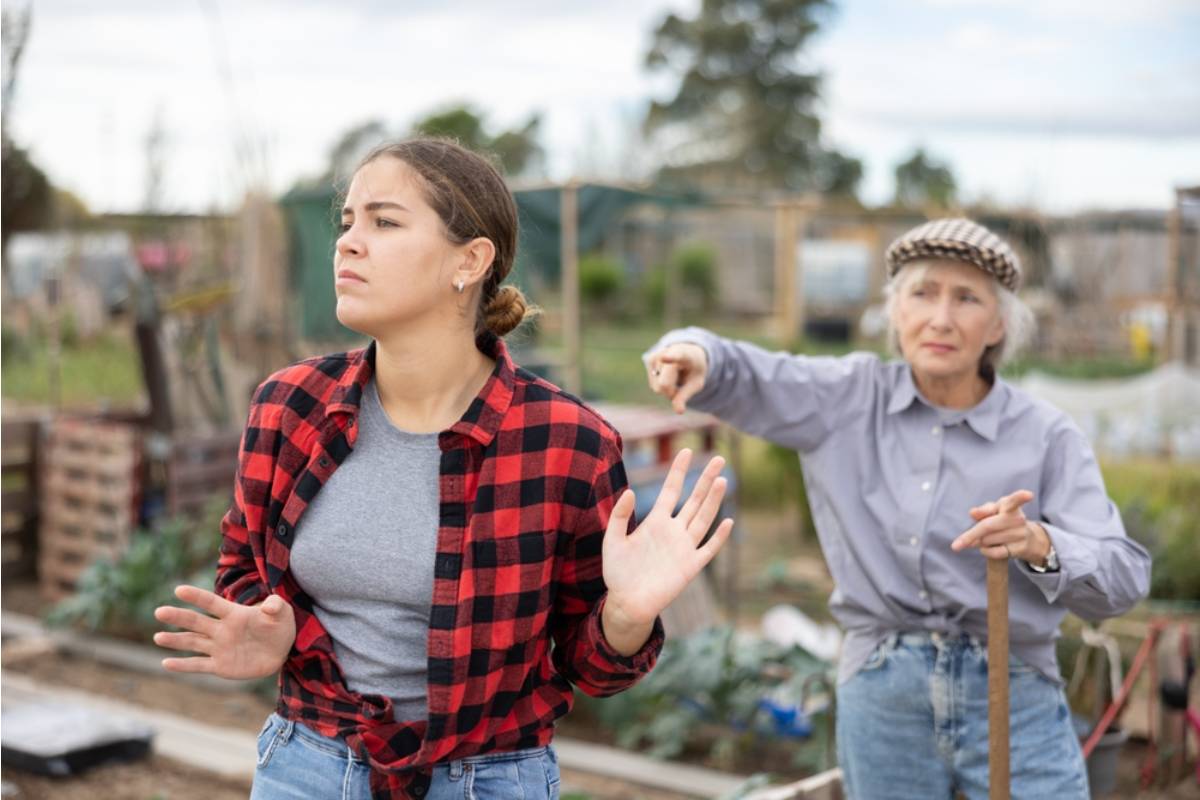
The first real conflict erupted when Daniel’s cousin arrived at the same time as his sister-in-law. Both had come expecting to pick up fresh tomatoes. When Daniel said there weren’t enough ripe ones for everyone, the mood shifted instantly. The cousin insisted she had “called dibs earlier in the week,” while the sister-in-law argued she had helped water the plants once. Daniel stood there holding an empty crate, watching the disagreement escalate. That was the moment he realized things were getting out of hand.
Family Logic That Made No Sense
After that incident, family conversations about the garden became strangely competitive. Some relatives claimed they deserved priority because they “helped plant” early in the season. Others argued that visiting more often should count for something. Daniel tried explaining that he never set up any system for distribution. But every explanation seemed to make things worse. Instead of gratitude, there was now negotiation.
The Backyard That Became a Queue
On weekends, Daniel began noticing family members arriving unannounced and waiting in the backyard. They would casually sit on patio chairs, but their eyes kept drifting toward the garden beds. It felt less like a visit and more like lining up for produce allocation. His teenage son even commented that it “looked like people waiting for concert tickets.” Daniel tried to laugh it off, but the pressure kept building. Every harvest felt like a decision he would be judged for.
The Spreadsheet Incident
Things took a bizarre turn when Daniel’s sister brought a printed spreadsheet she had made. It listed family members and their “fair share contributions” to the garden. She had assigned points based on visits, help, and previous pickups. Daniel stared at it in disbelief while others at the table debated the scoring system. His wife quietly asked if they had somehow entered a competition without knowing it. Daniel said it felt more like being audited than gardening.
A Harvest That Was “Already Spoken For”
One evening, Daniel picked a full batch of peppers and set them aside for meal prep. Before he could use them, his brother arrived and said those peppers were “promised” to him earlier in the week. Daniel insisted there had been no agreement. But his brother pulled out a text message where Daniel had simply said, “Sure, maybe later.” That was enough for the argument to restart. Even casual responses were now being treated like contracts.
The Dinner That Turned into Negotiation
At a family dinner meant to calm tensions, things escalated again. Instead of talking about food, everyone started debating fairness in the garden distribution. Voices overlapped as relatives defended their positions. Daniel tried to steer the conversation away, but every attempt brought it back to vegetables. Even the kids picked up on the tension and stopped eating. The dinner ended earlier than usual, with plates still half full.
The Fence Conversation That Changed Nothing
Later that week, Daniel spoke privately with his mother, hoping she would help mediate. She listened carefully and then suggested he “just be fair to everyone.” When he asked what fairness meant, she didn’t have a clear answer. She only said family should “share things properly.” Daniel realized that everyone had a different definition of fairness—and none of them matched his. The conversation ended without resolution.
The Harvest Schedule Breakdown
Daniel attempted to introduce a simple harvesting schedule to reduce conflict. He posted days and times when people could pick vegetables. At first, it seemed to help. But soon, relatives began showing up early to “reserve spots.” Others complained that certain time slots were more valuable. The schedule, instead of solving the problem, had made it more structured—and more competitive.
A Moment of Frustration in the Garden
One afternoon, Daniel stood alone in the garden and noticed several plants had already been picked clean before their time. He didn’t know who had come earlier that morning. He just stared at the empty stems and overturned soil. For the first time, he felt exhausted by something he once enjoyed. The garden no longer felt like his space. It felt like something everyone else had claims on.
The Decision to Scale Everything Back
After a long argument on a group call, Daniel made a decision. He told his family he would no longer be distributing produce to anyone outside his immediate household. The reaction was immediate and loud. Some called it selfish, others called it unfair. But Daniel stayed firm, saying the garden had stopped feeling like a hobby. It had become a source of constant conflict.
A Garden That Finally Belonged to One Person Again
Weeks later, the garden looked different, not because of what was growing, but because of what wasn’t expected from it anymore. Daniel no longer felt pressure every time something ripened. He still shared occasionally, but on his terms, not through negotiation. Some relatives stopped visiting as often. Others adjusted slowly. And for the first time in a long while, Daniel stood in his backyard without wondering who would claim the next harvest.