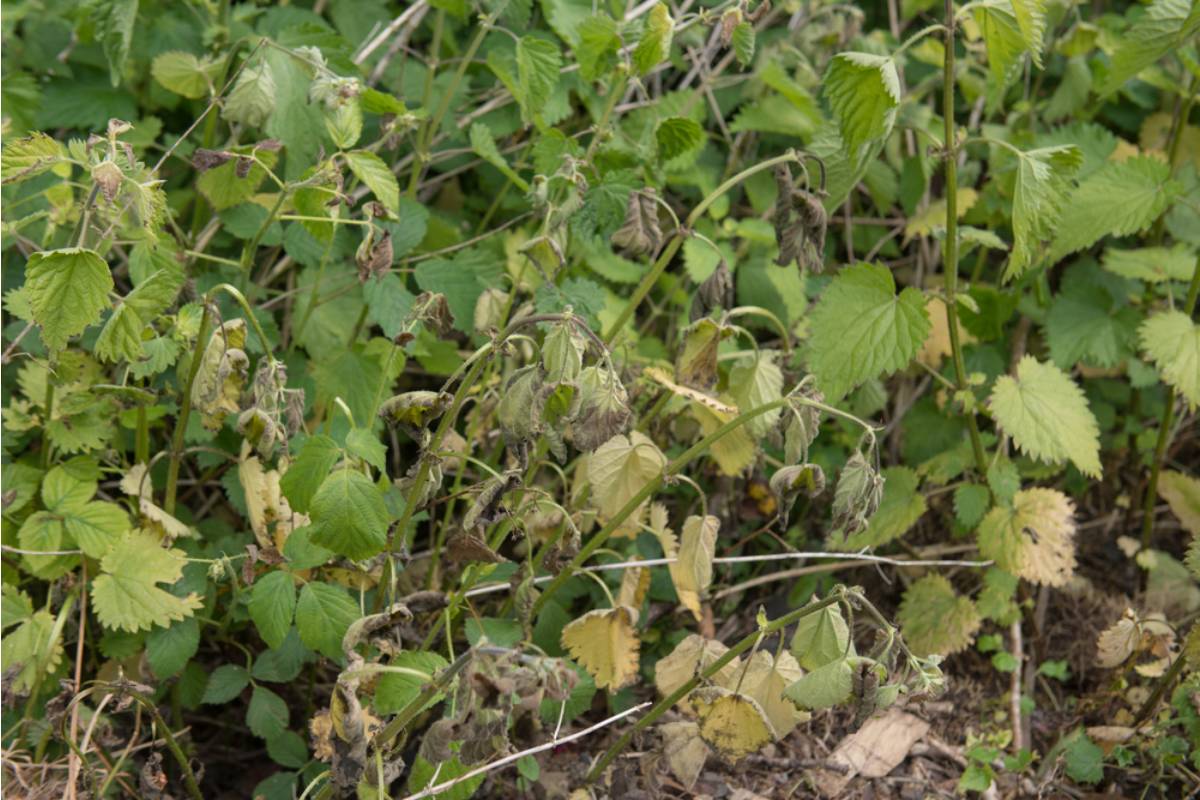
Homeowner Says HOA Landscapers Kept Destroying Her Spring Flowers, Then She Realized They Were Stepping on the Blooms They Had Been Warned to Avoid
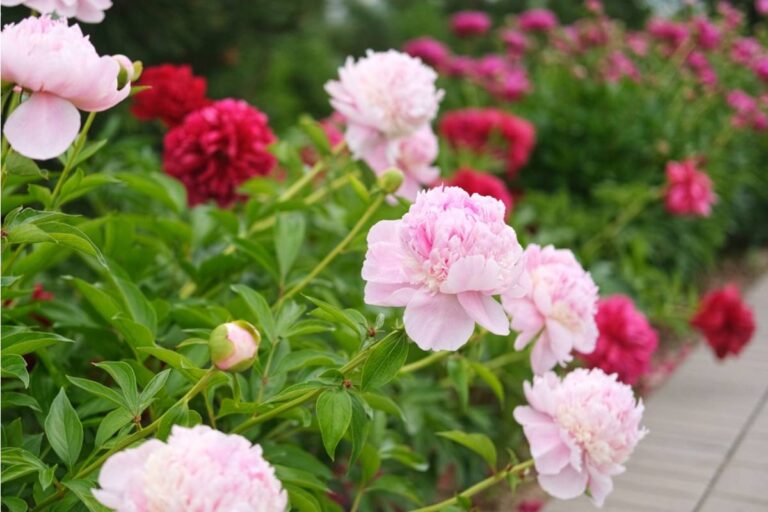
A person shared her story after spending months patiently waiting for her spring flowers to finally bloom. Just as the garden was beginning to put on its seasonal display, the HOA landscaping crew arrived to clean up the yard. Instead of helping the garden look better, the workers destroyed the flowers she had been carefully waiting for.
For a gardener, that kind of timing can be especially frustrating. Spring flowers have a limited window when they emerge, bloom and eventually disappear for another year. Watching that moment get ruined by routine yard maintenance was bad enough, but this apparently was not the first time it had happened.
The Landscaping Was Supposed to Help
The crew was there as part of the HOA’s regular landscaping service. Their job was presumably to clean and maintain the community’s yards, which sounds harmless until delicate spring plants start appearing in the wrong places.
The homeowner was not complaining about ordinary pruning or mowing. She was upset because flowers she had intentionally planted were being stepped on and damaged during the cleanup. What made the situation more irritating was that the landscaping company already knew she wanted those flowers left alone.
The Flowers Were Not Accidental
These were not random weeds that happened to survive in a lawn. The homeowner had planted the flowers herself and had been watching them develop throughout the season.
That distinction mattered because someone unfamiliar with the garden might easily mistake a young spring plant for something that needed to be removed. The homeowner, however, knew exactly what was growing there and had a very different plan for those plants. She wanted to see them bloom, not disappear beneath someone’s boots.
Then the Landscapers Came Through
When the landscapers arrived, the homeowner watched her carefully anticipated display get damaged. The workers did not necessarily intend to destroy the flowers, but their lack of care was enough to cause the problem.
A response from a person suggested that the plants might recover and return. That may have offered some reassurance, but it did not solve the homeowner’s frustration. If the same thing keeps happening every spring, waiting for the plants to recover becomes a poor substitute for simply protecting them in the first place.
It Was Not the First Time
The most frustrating detail was that this had apparently happened before. The homeowner was not reacting to one isolated accident involving a crew that did not know where the flowers were.
Repeated damage changes the situation because the homeowner had already communicated her wishes. She was not asking the landscaping company to redesign the property or perform extra work. She simply wanted them to avoid stepping on the flowers she had planted.
The Crew Already Knew
Someone suggested that the first step should be communicating with the landscapers about which plants should not be cut. The homeowner quickly explained that this was not really the problem because the crew already knew she did not want the flowers disturbed.
According to her, the issue was that they were not careful enough and kept stepping on the plants. That makes the story less about a misunderstanding and more about a recurring failure to protect something the homeowner had specifically identified as important.
A Simple Border Could Have Helped
One response from a person suggested putting some kind of border around the spring blooms. A visible physical boundary can certainly make delicate plants easier for landscaping crews to recognize, especially when workers are moving quickly through multiple properties.
For the homeowner, though, the suggestion probably felt like another task being placed on her shoulders. She had already told the people doing the work where the flowers were. Still, a small garden border or decorative edging might make the plants much harder to overlook during the next cleanup.
Then Someone Suggested Doing the Yardwork Herself
Another response from a person offered an extremely simple solution: do the landscaping herself. On paper, that would eliminate the risk of someone else stepping on the flowers.
Unfortunately, there was one major problem with that suggestion. The homeowner explained that the landscaping was being handled by the HOA’s landscaping company, meaning this was not simply a matter of choosing whether to hire someone for her personal yard. The maintenance arrangement was already part of the community.
The HOA Changed the Equation
Because the HOA landscaping company was responsible for the work, the homeowner could not simply solve everything by refusing service. The flowers were sitting in a yard that was being maintained under an existing arrangement.
That creates an awkward situation for gardeners in managed communities. You may have very specific plans for your plants, while the landscaping crew may be working from a completely different maintenance routine. When those two systems collide, the flowers can become the unfortunate victims.
Someone Suggested Signs
A response from a person suggested making clear “do not touch” signs and placing them around the garden. Another person even suggested making them in Spanish so the message would be especially obvious to workers who might otherwise miss a written instruction.
The idea was simple but practical. A sign cannot physically protect a flower from being stepped on, but it can turn an easily overlooked plant into a clearly marked part of the landscape. Sometimes the difference between a surviving flower and a crushed one is simply making it impossible for someone to claim they did not notice it.
The Real Problem Was Their Feet
The homeowner clarified the situation again: the landscapers were not necessarily cutting the flowers down on purpose. They were walking directly over them while doing their work.
That detail explains why the damage was so frustrating. A person can avoid cutting a flower with a mower but still destroy it by stepping on it, especially when delicate spring growth is low to the ground. For a gardener who has been waiting months for those blooms, a few careless footsteps can undo weeks of anticipation.
Spring Flowers Have Their Moment
Spring bulbs and other seasonal flowers can be especially vulnerable because their entire show may happen within a relatively short period. Once they emerge, gardeners watch for the first buds and then enjoy the blooms before the plants eventually retreat.
Destroying them during that narrow window means the gardener may not get another chance to enjoy the display until the following season. Even if the plants survive underground, the missed bloom is still a disappointment. The landscapers may see a patch of green underfoot, while the gardener sees the payoff from months of waiting.
The Homeowner Was Clearly Exhausted
The person who shared the story said she was tired and frustrated by the repeated damage. That wording says a lot because the issue was no longer just about a few crushed flowers.
Repeatedly watching something you planted get damaged can make gardening feel pointless. Every year brings the same anticipation, followed by the same worry that someone else’s routine maintenance will destroy the result before you get to enjoy it.
The Garden Needed a Better System
The responses ultimately pointed toward prevention rather than retaliation. A border, clear signs and direct communication with the landscaping crew could all make the flowers more visible before the next cleanup.
The homeowner had already tried communication, so the next step would need to make that communication harder to miss. A marked flower bed could give workers a physical and visual signal that the area is intentional and should be avoided.
The Flowers May Still Come Back
One reassuring response from a person said the flowers were likely fine and could return. Spring plants can sometimes recover from minor damage, particularly when the bulbs or underground structures remain intact.
But recovery is not the same as avoiding the damage altogether. The homeowner planted those flowers to enjoy them, and repeatedly having them stepped on defeats the whole purpose of growing them. A gardener should not have to cross their fingers every time the HOA crew arrives.
A Tiny Garden Became a Big HOA Problem
What began as routine landscaping had turned into a recurring source of frustration. The homeowner wanted her spring flowers left alone, the HOA’s landscaping company wanted to complete its maintenance routine, and the two goals were somehow colliding in the same patch of soil.
The surprising part is how small the solution might actually be. A little edging, a highly visible sign and a clear reminder to the crew could potentially prevent the entire problem. After all, nobody should have to spend months waiting for spring flowers only to watch a landscaping crew walk straight across them.
Gardeners Know Why This Hurts
To someone passing by, a few damaged flowers might not look like a major disaster. To the person who planted them, watered them and waited for them to bloom, they can represent an entire season of anticipation.
That is the part the homeowner seemed most frustrated about. She was not demanding that everyone admire her garden or change the HOA’s landscaping policy. She simply wanted the people maintaining the property to recognize that those little flowers were there for a reason and leave them standing.
The Next Bloom Will Need a Warning
The homeowner’s experience is a reminder that shared landscaping systems can be tricky when individual gardeners have their own plans. Even a professional crew can miss delicate plants when it is moving quickly through a neighborhood.
For gardeners dealing with a similar situation, making treasured plants highly visible may be worth the extra effort. Because when spring finally arrives after months of waiting, the last thing anyone wants is to discover that the flowers they were excited to see have become footprints in the dirt.