Homeowner Says Neighbor Kept Complaining About His Lawn, Then Started Mowing It Twice a Week Without Permission
A homeowner shared his story after moving into his neighborhood and discovering that his next-door neighbor had some unusually strong opinions about grass. The homeowner had been living there for about four years, while the neighbor had spent his entire life in the area and appeared to take lawn care extremely seriously. In the summer, the neighbor could mow his own yard every day, and sometimes even twice in one day.
The homeowner, meanwhile, was perfectly happy giving his own lawn a normal weekly trim. It was not wildly overgrown or turning into a jungle, but it was also not clipped down to the same extremely short height as the neighbor’s grass. That difference in gardening philosophy might have remained harmless, except the neighbor was determined to make it his problem too.
The First Complaints Were About Grass Height
Soon after the homeowner moved in, the neighbor began repeatedly telling him that his grass was too long. The homeowner explained that he preferred mowing roughly once a week and saw no reason to cut it as frequently as the neighbor did. Since there were no neighborhood rules requiring a particular lawn height, he expected that to be the end of the conversation.
Instead, the complaints continued. The neighbor seemed genuinely bothered whenever the homeowner allowed his grass to grow a little longer, as though the entire street had somehow signed an agreement to maintain identical lawns. The homeowner eventually made it clear that he was going to care for his yard according to his own preferences.
Then the Leaves Became a Neighborhood Dispute
The grass complaints were not even the neighbor’s only concern. Whenever leaves from the homeowner’s backyard trees landed in the neighbor’s yard, the neighbor apparently expected the homeowner to do something about it. When the homeowner explained that trees tend to drop leaves wherever the wind takes them, the conversation took a rather unexpected turn.
The neighbor started raking the leaves out of his own yard and tossing them over the fence into the homeowner’s property. His reasoning was that the leaves came from the homeowner’s trees, so they belonged in the homeowner’s yard. What could have been an ordinary seasonal cleanup had suddenly become a cross-fence leaf delivery service.
The Homeowner Refused to Redesign His Yard
Despite the repeated complaints, the homeowner did not change his routine. He continued mowing about once a week and handled the rest of his gardening and yard work according to his own schedule. From his perspective, having grass that was slightly longer than the neighbor’s was not a problem that needed solving.
The neighbor clearly did not see it that way. The homeowner said the man remained frustrated whenever his suggestions were ignored, but there was still little he could do because the homeowner was not violating any known neighborhood rule. For a while, it looked like the disagreement would remain nothing more than an awkward lawn-care rivalry.
Then Someone Reported the Lawn
Eventually, the homeowner received an unexpected visit from a city worker. He was told that someone had reported the property for supposedly having long, unkempt grass and even rats living in it. The claim sounded dramatic enough to suggest that the backyard had somehow transformed into a neglected wilderness overnight.
The homeowner showed the worker the yard, and the visit ended rather anticlimactically. The city employee looked around, shrugged, and told him that everything appeared to be fine before leaving. The homeowner suspected his neighbor may have made the report, although he admitted he never had proof that the complaint came from him.
The Neighbor Finally Took Matters Into His Own Hands
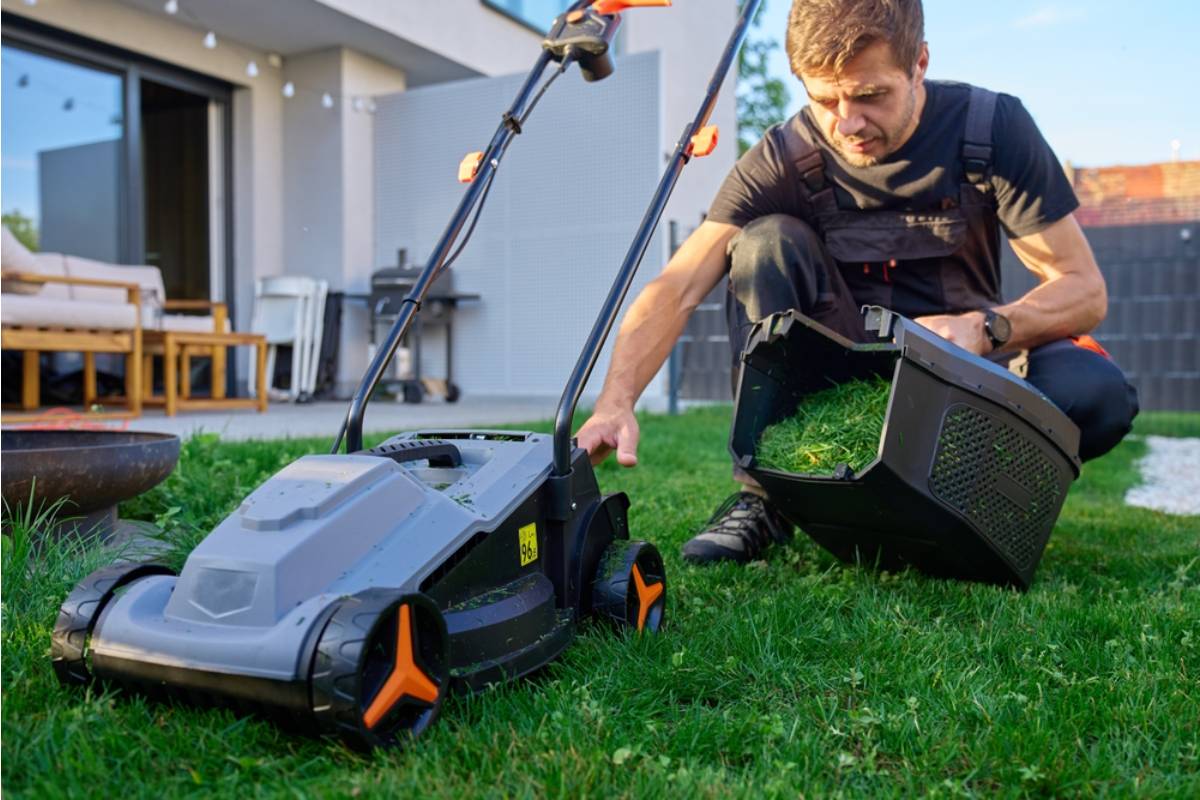
Then the lawn issue moved from complaints to action. The neighbor began mowing the homeowner’s front yard himself, apparently because he had become tired of waiting for the grass to meet his standards. According to the homeowner, this was not a one-time favor but something that happened repeatedly, usually around twice a week.
When the homeowner asked why he was doing it, the neighbor gave a remarkably simple answer: “Somebody has to.” That sentence effectively turned the whole situation upside down, because the person who believed the lawn needed more attention had apparently decided that he was now responsible for providing it.
The Unwanted Gardener Would Not Stop
The homeowner did not appreciate the gesture and told the neighbor to stop. Rather than agreeing to leave the property alone, the neighbor was dismissive and continued mowing the front lawn. The homeowner was left in the strange position of having someone perform yard work he never requested while insisting that the grass was not being maintained properly.
What made the situation even more bizarre was how long it lasted. This was not a few weeks of overenthusiastic mowing that eventually faded away. The homeowner said the neighbor had been carrying on with the routine for roughly three years.
Three Years Turned a Weird Habit Into a Pattern
Over time, the homeowner simply continued taking care of the rest of his property. He handled his backyard, kept up with other yard maintenance, and sometimes even mowed the front himself when he thought it actually needed it. Yet the neighbor still found opportunities to return with his mower and give the grass another haircut.
At that point, the homeowner joked that he essentially had a volunteer gardener living next door. The difference was that this particular gardener had never been hired, never been asked for help, and seemed to have very different ideas about what the garden and lawn should look like.
Then a Coworker Suggested Something Unexpected
The homeowner eventually mentioned the strange arrangement to a coworker, expecting the story to sound as ridiculous to her as it felt to him. Instead, she came up with an unexpected suggestion. She wondered whether he should simply pay the neighbor for all the mowing he had been doing.
That suggestion immediately raised a bigger issue. The homeowner did not see himself as someone receiving a service because he had never wanted the service in the first place. He especially did not want to reward behavior that had continued after he explicitly asked for it to stop.
The Conversation Turned to the Neighbor’s Disabilities
The coworker also raised a different concern, suggesting that it could look bad to have someone with apparent disabilities performing repeated yard work without payment. The homeowner strongly disagreed with that framing and said it misrepresented what was actually happening between them. In his view, the issue had nothing to do with taking advantage of someone and everything to do with someone repeatedly entering his property to perform an unwanted task.
That distinction mattered to him because paying the neighbor could potentially make the entire situation even stranger. It might turn something he considered intrusive into something that looked like an agreed-upon gardening service. Instead of solving the boundary problem, the payment might make the arrangement feel more official.
The Real Problem Was Not the Mowing
A response from a person focused on a concern that went far beyond the appearance of the lawn. The argument was that the neighbor was not actually helping because he was doing something on the property after being told not to. From that perspective, the grass was almost beside the point.
Another person pointed out that the situation could create problems if the neighbor were injured while working in the yard. A mower, an uneven patch of ground, a hidden hole, or an unexpected obstacle could turn an unwanted gardening session into a much more serious dispute.
Some People Suggested Drawing a Clear Line
Several responses from people urged the homeowner to tell the neighbor clearly and firmly that he did not have permission to enter the property. One person suggested putting the request in writing so there would be a record showing that the neighbor had been told to stop. The idea was less about winning a disagreement over lawn height and more about making the property boundary unmistakable.
The situation also raised an important practical question about documentation. If someone continued entering the yard after being told not to, keeping a record of those incidents could help establish exactly what had happened. The homeowner’s original concern was grass length, but after years of unwanted mowing, the bigger issue had become where one person’s yard ended and the other’s began.
The Lawn Had Become a Battle of Control
What started as a disagreement over mowing frequency had gradually turned into something much stranger. The neighbor apparently wanted the homeowner’s lawn maintained according to his own standards, while the homeowner wanted nothing more than the freedom to decide when his grass needed a haircut. Every new mowing session seemed to reinforce the feeling that this was no longer simply about gardening.
The irony was that the homeowner was already taking care of his property. He was not neglecting the yard, refusing to mow it, or asking the neighbor to do the work for him. He simply did not want someone else deciding that his lawn was never quite tidy enough.
Even the Original Complaints Started Looking Different
Looking back, the repeated complaints about grass, the leaf dispute, the suspected city report, and the unexpected mowing all seemed to fit into the same pattern. The neighbor appeared deeply invested in how the neighboring property looked and repeatedly acted on that preference. What had once seemed like a few odd comments had eventually developed into years of unsolicited yard maintenance.
That was the twist that made the story so unusual for a gardening problem. Most homeowners complain because a neighbor refuses to maintain a lawn, but here the complaint went in the opposite direction. The homeowner could not seem to convince his neighbor that the grass was allowed to be his own business.
The Free Lawn Care Was Not Really Free
On the surface, having someone mow your grass twice a week might sound like an unbelievable gardening bargain. The homeowner, however, saw a very different exchange taking place. He was not gaining convenience because he had already told the neighbor to stop, and the extra mowing was happening according to someone else’s standards rather than his own.
In the end, the most valuable thing the homeowner wanted was not a perfectly trimmed front lawn. He wanted control over his own garden and yard, including something as simple as deciding when to start the mower. After three years of unwanted lawn care, the grass may have been beautifully short, but the neighborhood boundary had never looked more complicated.