Some Home Gardeners Are Reusing Kitchen Water for Plants, And It’s Sparking Debate Over Whether It Helps or Harms Growth
Some home gardeners are starting to reuse leftover kitchen water for their plants, and what began as a simple way to reduce waste has turned into a debate about whether it actually helps plants or slowly harms them.
The Idea Came From Reducing Waste
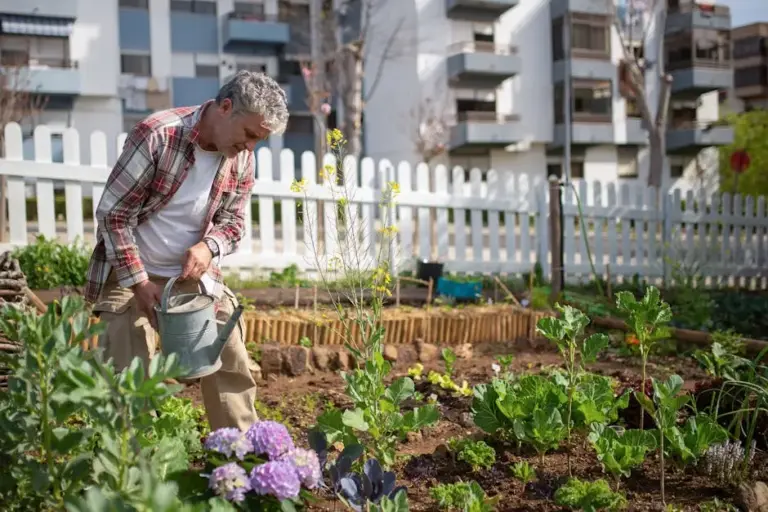
It started with gardeners saving water from rinsing vegetables or washing dishes. Instead of pouring it down the drain, they used it on their plants. The goal was to reuse resources and cut down on water use. It felt practical and environmentally friendly. At first, it seemed like a smart habit. And easy to adopt.
Early Results Looked Promising
In some cases, plants didn’t show any immediate negative effects. Soil stayed moist, and growth continued normally. Gardeners felt encouraged by the results. It looked like a simple solution was working. That early success made the idea spread quickly. And more people started trying it.
Not All Kitchen Water Is the Same
As the trend grew, differences became clear. Water used to rinse vegetables was very different from water containing soap or oil. Some gardeners used only clean rinse water. Others reused water from dishes without much filtering. This created inconsistent outcomes. And confusion about what was safe.
Some Plants Reacted Unexpectedly
Over time, certain plants began showing unusual signs. Leaves yellowed, and soil texture changed in some gardens. In a few cases, growth slowed down. These effects weren’t immediate. They appeared gradually. And that made them harder to connect to the water source at first.
Soil Quality Became a Concern
Repeated use of certain kitchen water started affecting the soil. Residues from soap or food particles accumulated over time. This changed how water drained and how roots absorbed nutrients. The soil didn’t behave the same way anymore. And that raised concerns among experienced gardeners.
Supporters Say It Works When Done Carefully
Those in favor argue that clean kitchen water can be beneficial. Water from rinsing fruits and vegetables is often safe. It doesn’t contain harmful substances. When used properly, it reduces waste without harming plants. Supporters emphasize careful selection. And controlled use.
Critics Warn About Long-Term Effects
Others point out that even small residues can build up over time. Soap, oils, and food particles may not show immediate damage. But they can affect soil health gradually. The long-term impact is harder to reverse. And not always visible early on. That’s where concern comes in.
Different Gardens Show Different Results
What works in one garden doesn’t always work in another. Soil type, plant variety, and frequency of use all matter. Some gardeners report success for months. Others see problems within weeks. This inconsistency makes it difficult to reach a clear conclusion. And keeps the debate ongoing.
The Practice Requires More Awareness Than Expected
Reusing kitchen water isn’t as simple as it first appears. It requires knowing what kind of water is being used. And how often it’s applied. Without that awareness, results can vary. The idea itself isn’t flawed, but the method matters. And that’s where most differences come from.
A Trend Still Being Tested
As more gardeners experiment, opinions continue to form. Some refine their approach and see positive results. Others stop after noticing negative changes. The practice is still evolving. And gardeners are learning through experience.
A Balance Between Sustainability and Plant Health
In the end, the discussion isn’t just about saving water, it’s about maintaining healthy plants while doing so. And finding that balance depends on how carefully the method is applied.