Homeowner Says Neighbor Sent Someone to Hack Back His Mature Walnut for a Sunny Garden, Then Revealed He Planned to Clear Even More Trees
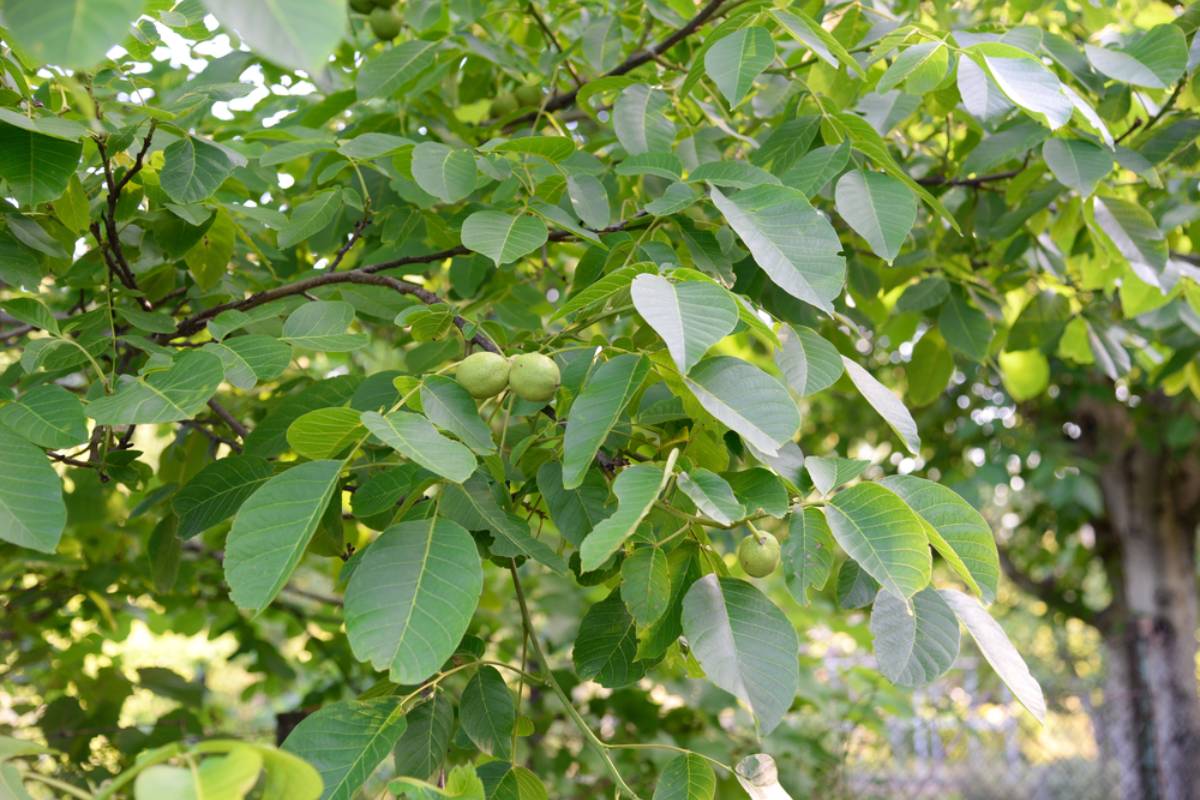
A person shared his story about a mature walnut tree that had quietly grown along his property line, shading the landscape and becoming part of the garden scenery over the years. Then one day, he noticed someone on the other side of the fence attacking its branches with a pole saw, reaching surprisingly far across the boundary. What began as an ordinary gardening dispute quickly turned into something much bigger.
The cuts were not limited to the branches hanging closest to the fence, either. The person estimated that limbs several feet inside his property were being removed, and when he rushed outside to object, the worker essentially told him that he was not the person in charge. That was the moment the peaceful little corner of the yard suddenly felt like a battleground.
The First Surprise Came From the Person Holding the Saw
The person said the worker kept cutting until he pulled out his phone and started recording the work. Only then did the worker retreat behind a shed, apparently deciding that being filmed was less appealing than swinging a saw around somebody else’s tree. By then, enough damage had already been done to turn a quiet afternoon into a very tense garden inspection.
The strangest part was that the worker did not seem to regard the homeowner’s objections as important. A response from a person later pointed out that the situation needed to be documented carefully, especially because the cutting had crossed the property line. Suddenly, the walnut was no longer just a tree that needed pruning; it had become evidence in a dispute.
The Neighbor Had a Very Sunny Reason
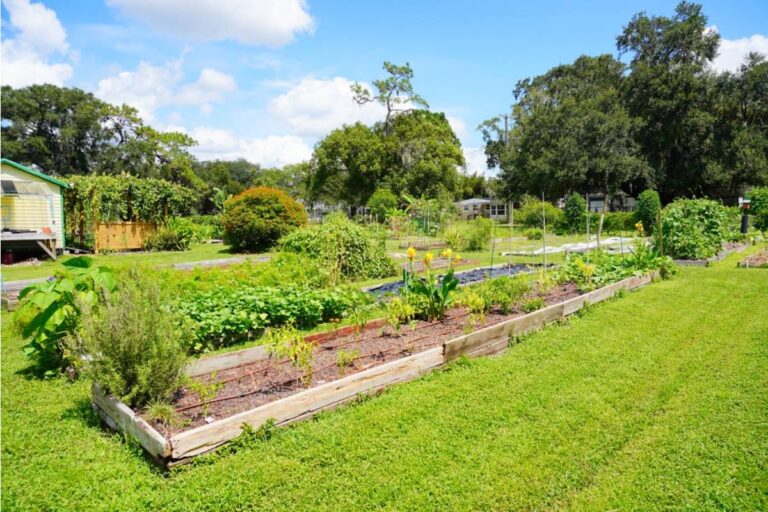
When the homeowner confronted the neighbor, the explanation sounded almost harmless at first. The neighbor said the walnut was growing over his wife’s garden, where she hoped to plant watermelons, and they wanted more sunlight reaching the future crops. It was a simple gardening goal wrapped in what had become a very complicated tree problem.
There is something almost comical about the contrast. On one side was a person trying to grow a mature walnut canopy, and on the other was someone dreaming about a watermelon patch that apparently needed every possible ray of sunshine. Unfortunately, that innocent-sounding reason did not explain why the cuts had reached so far beyond the fence.
Then the Property Line Became the Real Story
The homeowner believed the pruning had gone roughly eight to ten feet over the property line. That detail transformed the argument from a disagreement about sunlight into a much more serious question about where one garden ends and another person’s property begins. A response from a person suggested treating the boundary itself as the center of the dispute rather than arguing endlessly about whose plants deserved the sun.
That advice made sense because the walnut was only the beginning. Once a neighbor becomes comfortable reaching deep into another person’s yard, the issue is no longer simply about one branch or one pruning job. It becomes a question of whether the fence is actually being treated as a boundary at all.
The Yard Had Changed While Nobody Was Looking
The homeowner also described how different the neighborhood felt from the place where he once lived. His previous home sat on a dead-end road beside a conservation area, with hardly another house in sight, so he never imagined he would need to worry about someone wandering over to alter his trees. Now he was looking across the property line at a parked RV with extended family members staying inside.
The sudden change made the situation feel even more surreal. What had once been a quiet landscape had become a place where the homeowner felt he needed to keep an eye on the trees, the fence and the activity next door. The garden had not changed overnight, but the sense of privacy certainly had.
Then Came the Part That Made Everyone Nervous
The homeowner said the neighbor had also mentioned plans to cut trees back toward the conservation area so he could get a better view of a pond. There was one enormous problem with that plan: the homeowner believed that land was actually part of his property. That revelation turned the walnut dispute into a warning sign about what might happen next.
A response from a person summed up the concern in a simple way: what would have happened if the homeowner had not been outside that day? The question hung over the entire story because the worker had already begun cutting before anyone stopped him. Suddenly, the missing afternoon could have meant a much bigger clearing project.
A Camera Suddenly Sounded Like a Garden Tool
Once the cutting had happened, several people suggested adding cameras around the property. The homeowner admitted that pointing a camera into the forest corner of a dead-end road was about the last thing he ever expected to need. Yet after watching someone arrive with a pole saw, the idea no longer seemed quite so ridiculous.
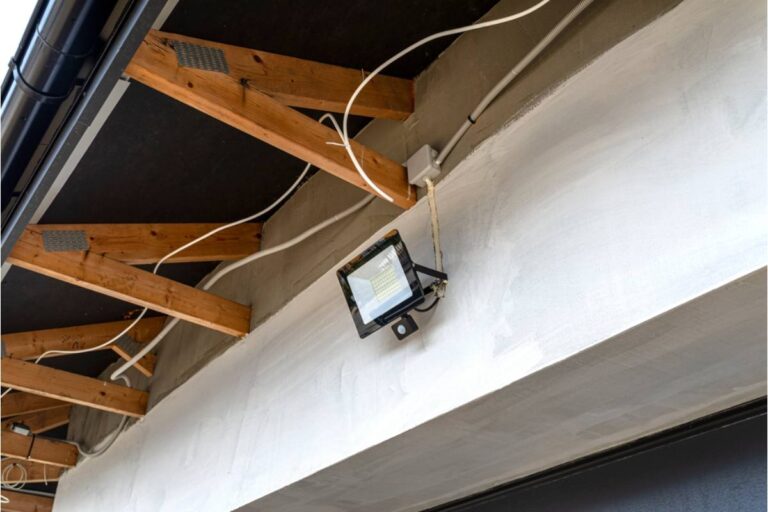
A response from a person suggested using a visible camera as a deterrent while keeping another camera less obvious. Others mentioned solar-powered or trail cameras for areas too far from the house for an easy connection. The twist was that a woodland corner once valued for peace and privacy was now becoming the most carefully watched part of the garden.
The Walnut Needed More Than an Argument
Another major suggestion was to have the mature walnut inspected by an arborist. Cutting branches improperly can create concerns that are difficult to judge just by standing in the yard and staring at the wounds, especially when the cuts have been made high in the canopy. The homeowner now had to think about the tree’s future rather than simply being angry about what had already happened.
That changed the mood of the story again. The walnut had survived years of weather and seasons, only to suddenly suffer because someone wanted more sunlight for vegetables. A response from a person encouraged documenting the condition of the tree and any professional assessment so there would be a clear record of what had happened.
The Neighbor Was Not Exactly a Stranger to Construction
Then another detail surfaced that made the whole incident feel less accidental. The neighbor apparently operated a construction company, which prompted a response from a person to wonder whether he already understood local rules, boundaries and permitting issues. If that was true, the homeowner had even more reason to take the situation seriously.
The story suddenly sounded less like two neighbors misunderstanding a garden and more like a clash between someone who wanted to protect his landscape and someone accustomed to getting projects done. The homeowner said the neighbor was not the type to hear “no” and simply walk away. That one sentence explained why a dispute over walnut branches had become so unsettling.
The RV Turned Into Another Mystery
The RV next door became another point of curiosity because extended family members were reportedly staying in it. Several responses suggested checking local rules governing how long an RV can be occupied as a residence, although those rules can vary widely from one place to another. For the homeowner, though, the larger issue was what the RV symbolized: the neighborhood was changing faster than he could have imagined.
There was also a surprisingly practical side to the problem. The homeowner joked that he had gone from enjoying a secluded view to looking at a large RV on a neighboring property instead. The garden dispute had somehow pulled in trees, privacy, property boundaries, construction work and a motorhome, creating a plot twist nobody would expect from a disagreement over watermelon.
Even the Worker Became Part of the Mystery
The homeowner tried to find out more about the person who had been cutting the walnut, but the neighbor declined to provide contact information. That left an important piece of the story unresolved because the homeowner did not know exactly who had entered the property area and performed the work. A response from a person suggested identifying the vehicle or other details and keeping a record of what happened.
The refusal added another layer of frustration. Instead of the episode ending with an apology and a conversation about pruning, the homeowner was left collecting details like pieces of a puzzle. The longer the story went, the more it seemed that the walnut had simply been the opening chapter.
The Garden Was Really About Boundaries
At its heart, the dispute was not really about whether watermelons needed sunlight. Gardens naturally create conflicts over shade, roots, branches and fences, but the situation becomes much more serious when one person’s solution reaches deep into another person’s yard. The homeowner’s anger came from the feeling that a decision had been made for his garden without his permission.
A response from a person advised making sure property markings, signs and other documentation were in order. The idea was not to turn the yard into a fortress, but to make the boundaries impossible to misunderstand. After all, a fence is useful only when everyone on both sides agrees that it means something.
The Real Twist Was What Might Happen Next
By the end of the story, the walnut was no longer the only concern. The homeowner was worried about future pruning, possible clearing near the pond, the growing presence of the RV and what might happen when nobody was home. The tree had survived years of growth, but now its biggest threat seemed to be a neighbor with a very ambitious idea of where his landscaping responsibilities ended.
That is what made the story so unsettling. The homeowner had stepped outside just in time to stop one questionable cutting job, but nobody knew whether that would be the last confrontation or merely the first. Sometimes, in gardening, the most important thing growing in a yard is not a plant at all, it is the boundary between two people who suddenly have very different ideas about who controls the view.