Homeowner Says His Neighbor Convinced Him a Shared Oak Tree Was a Liability, Then Filed to Have It Declared a Protected Heritage Tree the Moment He Agreed to Split the Removal Cost
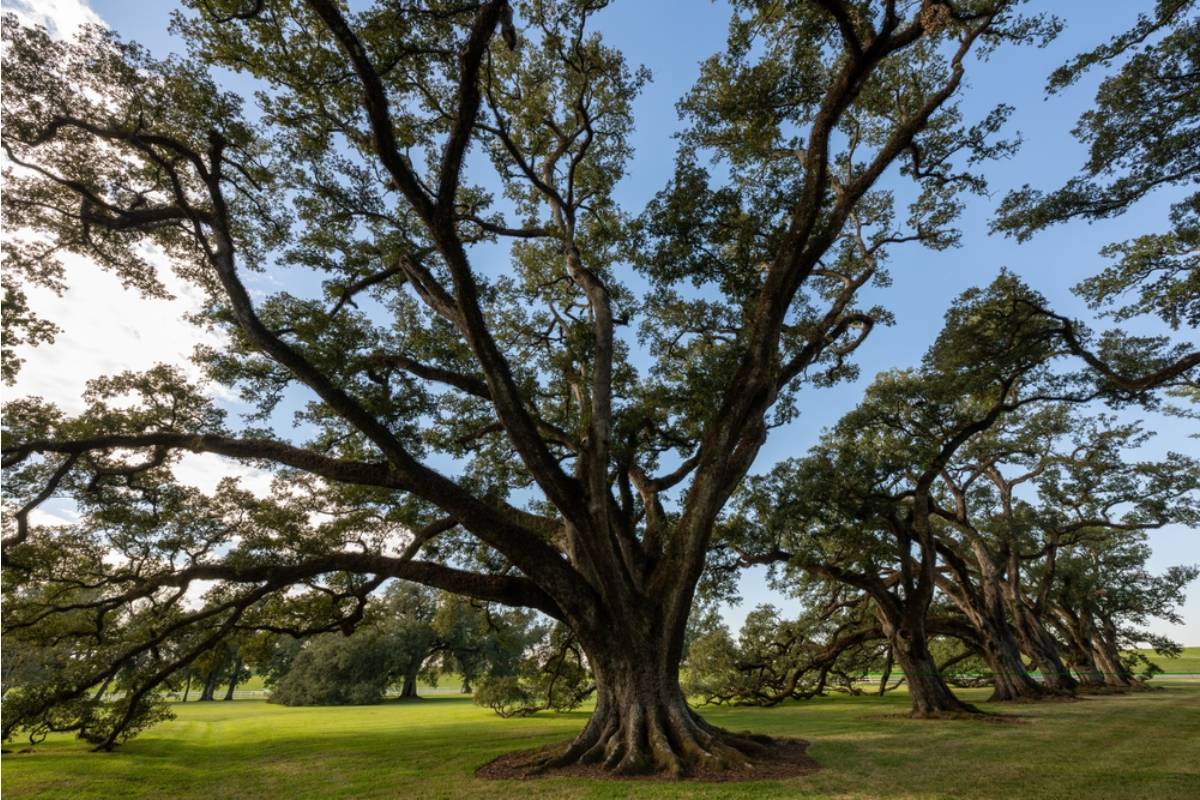
For nearly twenty years, the old oak tree between my property and my neighbor’s yard was simply part of the landscape. It stood taller than the houses, shaded our backyards, and became a landmark everyone on the street recognized. My children grew up climbing around its roots, and neighbors often stopped to admire the branches stretching across the fence line.
I never thought of the tree as a problem until my neighbor started pointing out every possible risk connected to it. He convinced me that removing it was the responsible thing to do, but the situation changed completely after I agreed to share the expense.
The Oak Tree Everyone Knew
The oak tree had been there long before either my neighbor or I moved into the neighborhood.
The previous owners told me it was already mature when they bought the house decades earlier. Birds nested in its branches, squirrels moved through it daily, and every fall the ground beneath it filled with leaves that the whole street recognized.
To me, it was part of the identity of the neighborhood, not just another plant in the yard.
The First Warning About the Branches
My neighbor, Greg, first brought up concerns after a large branch fell during a strong storm.
The branch landed safely in my backyard, but it was heavy enough to damage a section of my garden fence.
The next day Greg walked over and pointed toward the remaining branches.
“That tree is getting dangerous,” he said.
I agreed that fallen branches needed attention, but I was not ready to remove a healthy oak tree.
Growing Concerns Turn Into Pressure
Over the next few months, Greg kept mentioning the tree.
He talked about roots damaging foundations, branches falling onto roofs, and the possibility of someone getting hurt. Every conversation ended with the same suggestion.
We should probably deal with it before something expensive happens.”
At first, I appreciated his concern. It sounded like he was trying to be practical.
Calling an Arborist for Answers
Instead of making a decision based only on fear, I contacted a certified arborist.
The arborist spent nearly an hour examining the trunk, roots, and major branches. He explained that the tree was old but healthy, with no major signs of disease or structural failure.
“Routine pruning and monitoring would be enough,” he told me.
That information made me feel relieved.
The Neighbor Disagrees With the Expert
When I shared the arborist’s opinion with Greg, he seemed disappointed.
“I just don’t think it’s worth the risk,” he replied.
I reminded him that the professional had not recommended removal. Greg nodded but continued saying that unexpected problems could happen anytime.
It started feeling less like a safety discussion and more like he had already decided what should happen.
A Second Opinion Changes the Conversation
A few weeks later, Greg told me he had contacted another tree company.
He claimed they were concerned about the oak’s age and believed removal was the safest option.
When I asked for the company’s report, he said he would send it over. Days passed, but nothing arrived.
That was the first moment I started questioning whether I was hearing the full story.
The Removal Proposal Appears
Eventually, Greg came to my door with an estimate.
He explained that because the tree sat near both properties, we should split the cost equally. He presented it as a fair solution where both homeowners would avoid future problems.
“I don’t want this hanging over both of us for years,” he said.
After weeks of hearing about possible risks, I began wondering if removal really was the simplest choice.
Agreeing to Share the Expense
I did not want to remove the oak, but I also did not want a future accident to create conflict between neighbors.
After several conversations with my family, I agreed to share the cost.
Greg seemed relieved.
“We’re making the smart decision,” he said.
At that point, I thought we had finally settled the issue.
The Strange Change Before the Work Began
A few days before the scheduled removal, I noticed something unusual.
Greg had placed a small sign near the tree with information about local environmental programs. When I asked him about it, he casually said he was “looking into some options.”
I assumed he was trying to find a way to reduce disposal costs or handle the wood responsibly.
I had no idea what was actually happening.
The Official Notice Arrives
The following week, I received a letter from the city.
The notice stated that a request had been submitted to classify the oak tree as a protected heritage tree. The application would prevent removal while officials reviewed its historical and environmental significance.
I immediately recognized the address on the paperwork.
Greg had submitted the request.
Realizing What Had Happened
I called Greg and asked why he had filed the application.
He sounded calm.
“I started thinking about how important the tree really is,” he said. “Maybe we should protect it.”
I reminded him that just days earlier he had convinced me it needed to be removed.
His response surprised me.
“Sometimes people change their minds.”
The Meeting With City Officials
The city scheduled a review meeting where both homeowners could explain their positions.
Greg arrived with photographs of the tree, information about wildlife, and documents describing its age.
I sat there listening to him describe the oak as a valuable piece of neighborhood history.
The same person who had spent months warning me about its dangers was now defending its importance.
Asking the Question Everyone Had
During the meeting, an official asked why Greg had originally supported removal.
The room became quiet.
Greg admitted he had been concerned about maintenance costs and potential liability. He explained that after researching heritage trees, he realized the oak might have significant value.
That answer raised another issue.
Why had he convinced me to pay for removal before exploring preservation options?
A Difficult Conversation Between Neighbors
After the meeting, I told Greg I felt manipulated.
I explained that my decision was based on the information he gave me. If he had presented both options from the beginning, I would have approached the situation completely differently.
He apologized and admitted he should have been more transparent.
“I handled it badly,” he said.
For the first time, he acknowledged that the problem was not just the tree. It was the way he approached the situation.
The Oak Tree Gets a New Future
The city eventually approved protection measures for the oak.
Instead of removing it, we hired professionals to trim dangerous branches and create a maintenance plan. The tree remained standing, healthier than before.
Greg and I also worked out a new agreement about future expenses related to shared areas.
A Different Relationship After the Conflict
The situation changed our relationship as neighbors.
We were not suddenly best friends, but we became more honest with each other. Greg learned that concerns should be discussed openly rather than presented as unavoidable facts.
I learned that even long relationships require asking questions before agreeing to major decisions.
Looking at the Tree Differently
Today, the oak still stands between our properties.
Children from the neighborhood still play beneath its branches, and birds continue returning every spring. Whenever I look at it, I remember the strange journey it took from being called a liability to being recognized as something worth protecting.
The experience taught me that people can have complicated reasons for changing their minds. Sometimes a person discovers new information and genuinely changes their view. Other times, they reveal that they never shared the entire story in the first place. The important thing is making decisions based on complete information before agreeing to something that cannot easily be undone.