Homeowner Says Neighborhood Kids Turned Her Mother’s Flower Garden Into a Soccer Field, Then One Damaged Plant Finally Forced the Family to Draw a Line
A person shared his story about a family garden that had slowly become the neighborhood’s unofficial playground. His mother cared deeply for the flowers and potted plants around their home, treating every new bloom as something worth protecting. Unfortunately, the children living nearby seemed to view the same space as an ideal place to chase balls.
There was no physical separation between the properties, which apparently convinced the children that the entire stretch of grass was available for playing. They would run onto the family’s side of the yard, kick balls around, and repeatedly send them crashing toward the plants. At first, the family tried to tolerate it because they did not want to create unnecessary tension with the neighbors.
The Ball Kept Finding the Flowers
The biggest problem was that the children were not simply passing through the garden. They were actively playing ball games there, and the balls regularly struck the mother’s potted plants. Every impact meant another broken stem, knocked-over pot, or damaged flower that had taken weeks to grow.
The homeowner explained that his mother was particularly upset because she genuinely loved her plants. Gardening was not just decoration for her; it was something she took pride in every day. Watching children repeatedly damage the garden while their parents appeared unconcerned made the situation increasingly difficult to ignore.
Even the Camera Was Getting Tired
The family had installed a Ring camera, and it seemed to spend most of its time detecting movement caused by the children. Whenever they played outside, the camera would activate again and again because they kept running across the family’s side of the garden. What was supposed to be a security device had practically become a permanent spectator at an endless neighborhood game.
The homeowner found the situation especially frustrating because there was actually a proper playing field nearby. The children had a place specifically designed for kicking balls and playing sports, yet they continued choosing the gardens and front yards instead. It was becoming less about finding somewhere to play and more about treating other people’s property as part of the playground.
Then the New Car Got Scratched
The problem moved beyond flowers when one of the children apparently scratched the family’s new car while riding a bicycle. The homeowner’s father approached the neighboring parents and explained what had happened. Instead of taking responsibility or apologizing, the parents reportedly shrugged and even laughed about it.
Their response left the family with a bad feeling. It suggested that damage caused by their children was something everyone else should simply tolerate. If a new car could be scratched and dismissed so casually, the homeowner began wondering what would happen when something more expensive was damaged.
The Windows Were Next
The children were also regularly playing basketball and other ball games around the neighboring home’s front yard. Because the properties were close together, balls constantly ended up flying toward nearby houses. The homeowner said that even their newly replaced windows had already been struck.
That made the situation much more serious than an occasional ball bouncing onto the wrong patch of grass. The family had spent money renovating the home and improving the property, only to watch sporting equipment repeatedly come flying toward it. Suddenly, protecting the garden was only one part of a much larger problem.
The Entire Street Joined In
What made things even stranger was that it was not always just the neighboring children. Apparently, groups of kids from around the street would gather and play in the neighboring family’s front yard, creating a constant stream of basketballs and other balls. The homeowner’s property seemed to be sitting directly beside the action whether the family wanted it there or not.
The homeowner began wondering why so many children preferred other people’s spaces when there were proper areas nearby for playing. It also became clear that speaking to one child at a time would accomplish almost nothing. The problem had grown into a neighborhood habit.
The Parents Were the Real Problem
The children were young enough that the homeowner did not want to treat them as villains. Kids play, get distracted, and sometimes make mistakes, especially when nobody has explained where they are allowed to be. The bigger concern was the apparent lack of accountability from the adults responsible for them.
A response from a person pointed out that the parents should ultimately be responsible for damage caused by their children. That changed the way the homeowner looked at the situation. The question was no longer how to convince every child to respect the garden, but how to establish a boundary that even the adults could not pretend to misunderstand.
Someone Suggested a Fence
One response from a person offered the simplest solution imaginable: build a fence. It sounded almost too obvious, but the suggestion made sense because the entire problem existed partly because there was no visible separation between the properties. Without a boundary, children apparently interpreted the open space as an invitation.
Another response from a person repeated an old gardening saying about fences making good neighbors. The idea was not necessarily to create hostility, but to make ownership visible. A fence would allow everyone to remain friendly while removing the endless argument over where the children were allowed to run.
A Small Barrier Could Change Everything
Not everyone suggested an expensive privacy wall. One response from a person recommended simple wire garden panels secured with stakes, creating a lightweight barrier that could be installed quickly. Such a solution would still keep the yard visually open while making it obvious that the garden was not part of the playing area.
That appealed to the homeowner because the family did not necessarily want to turn the garden into a fortress. They wanted to protect the plants without making the property look hostile. Even a modest decorative boundary could force the children to stop and think before chasing a ball through the flower beds.
The Garden Needed Protection Before the Fence
Until a permanent solution could be installed, several people suggested temporary measures. Decorative garden fencing could be placed around the most vulnerable plants, creating small protected zones inside the larger yard. The idea was simple: even if a ball crossed the boundary, it would have a much harder time destroying a prized flower.
The homeowner could also use the security camera to document repeated incidents. Photos and time-stamped footage would provide a record of what happened rather than relying on arguments about whether a child actually caused the damage. For a family already dealing with dismissive parents, having proof could become extremely important.
Some Advice Went a Little Too Far
A few suggestions involved aggressive tactics, including calling authorities or threatening legal action immediately. Others joked about using motion-activated sprinklers or turning the garden into an obstacle course that nobody would want to enter. While the humor made the discussion entertaining, the homeowner still wanted to avoid turning the street into a battlefield.
A response from a person offered a more practical approach: try to establish the boundary clearly before escalating the matter. The homeowner did not want to spend years fighting with people next door. He simply wanted his mother to be able to water her flowers without worrying that another basketball would come flying through them.
Then the Mother Lost Another Plant
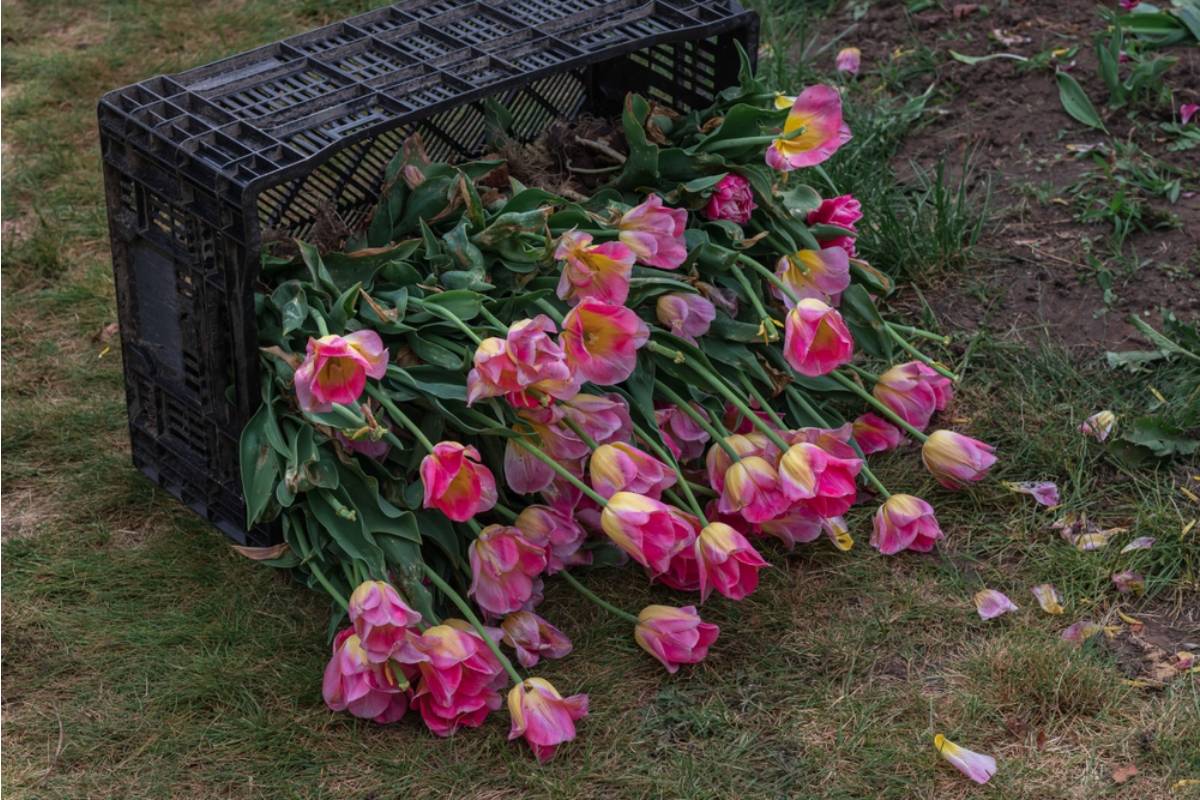
The turning point came when another ball struck one of the mother’s plants. It was not the most expensive thing the children had damaged, and it was not the most dramatic incident of the year. Yet watching another carefully tended plant get knocked apart finally made the family realize how unreasonable the situation had become.
For the mother, that small plant represented much more than a piece of garden decoration. She had grown it, watered it, watched it develop, and cared for it day after day. The children may have forgotten the incident moments later, but she was left staring at another damaged piece of the garden she loved.
The Family Finally Drew the Line
The family decided they could no longer rely on the children simply understanding the boundary. They began looking into a visible garden barrier that would protect the plants without creating an ugly wall between the homes. The goal was not revenge; it was to make the property line impossible to misunderstand.
They also planned to continue documenting damage with the security camera. If another vehicle, plant, window, or garden feature was damaged, there would be evidence showing what happened. For the first time, the family felt like they were taking control of the situation rather than waiting for the next ball to arrive.
The Children Found a New Obstacle
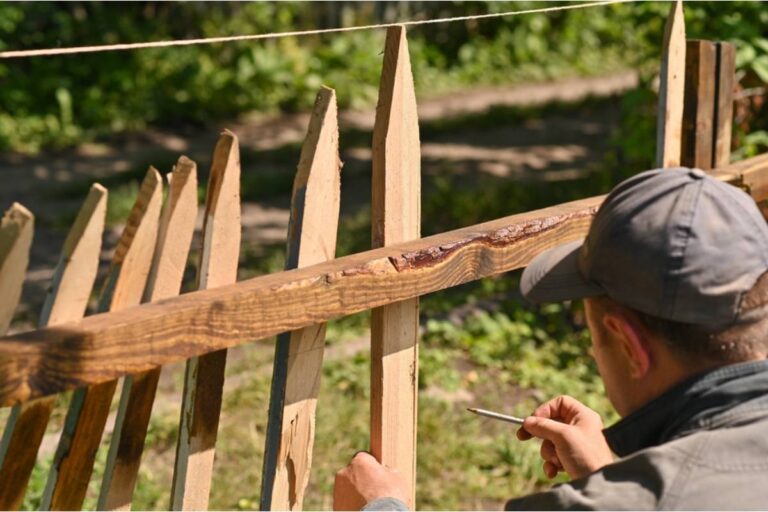
When the first section of decorative fencing appeared, something unexpected happened. The children slowed down when they reached it because the garden suddenly looked different. What had previously seemed like one large open space now clearly contained a private section that was not part of their playing area.
The children eventually began spending more time in the actual playing spaces nearby. The homeowner noticed fewer balls crashing toward the flowers, and the Ring camera stopped triggering quite as often during the afternoon. The solution had not required a feud, a dramatic confrontation, or a neighborhood war.
The Parents Finally Understood
The parents also seemed to realize that the family was serious about protecting the property. There had been no shouting match and no ridiculous confrontation at the driveway. Instead, the physical boundary quietly communicated what repeated conversations had failed to establish.
The homeowner later reflected that perhaps the absence of a boundary had been the entire problem. To the children, the yard looked continuous, so they treated it that way. To the family, the property had always been private, but nobody had made that distinction physically obvious.
The Twist Wasn’t the Fence
The surprising twist was that the family had spent so much time worrying about how to confront the neighbors when the garden itself provided the answer. A simple barrier around the property did more than protect the flowers. It changed how everyone viewed the space without requiring anyone to admit they had been wrong.
The mother’s plants finally had room to grow without becoming targets in neighborhood sports matches. The children still had somewhere to play, the neighbors did not have to become enemies, and the family could enjoy their garden again. In the end, the most important thing the family planted was not another flower, but a very clear boundary.