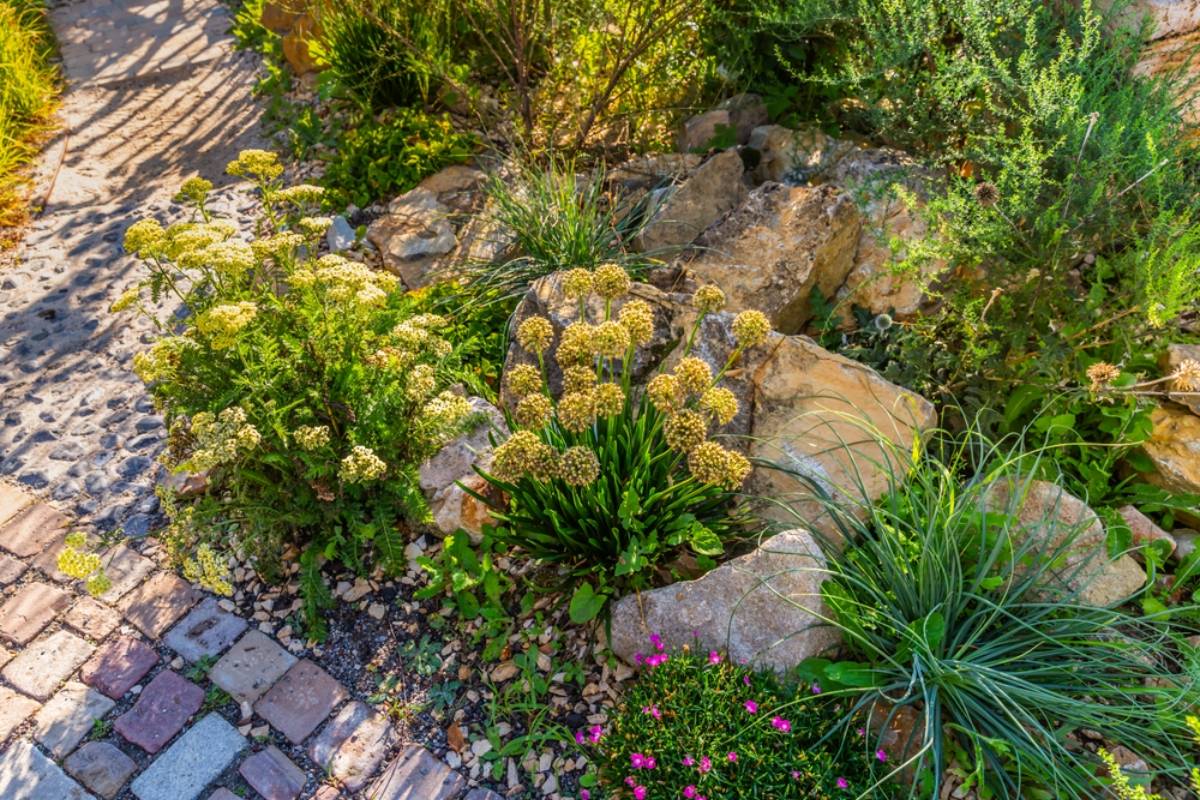
Homeowner Says She Spent a Year Transforming Her Yard Into a Perennial Garden, Then Realized Her Husband Needed a Foolproof Watering Plan Before She Could Leave for a Year
A garden can take months of digging, planting, and careful nurturing to become something special, but keeping it alive can be an entirely different challenge when its usual caretaker has to leave. One gardener found herself facing exactly that dilemma after filling her yard with newly planted perennials, flowering plants, shrubs, and even a young apple tree. With a year-long residency away from home approaching, she had one big concern: how could she make sure her husband kept everything alive when gardening simply was not his thing?
The situation was not about a lack of love or willingness to help. Her husband had volunteered to take responsibility for the garden, but she knew that remembering which plants needed water, how much to give them, and when to skip watering after rain could be a challenge. Suddenly, the gardener needed more than a watering schedule. She needed a system simple enough to prevent her carefully cultivated backyard from becoming an accidental experiment in plant survival.
A Dream Garden Suddenly Became a Year-Long Challenge
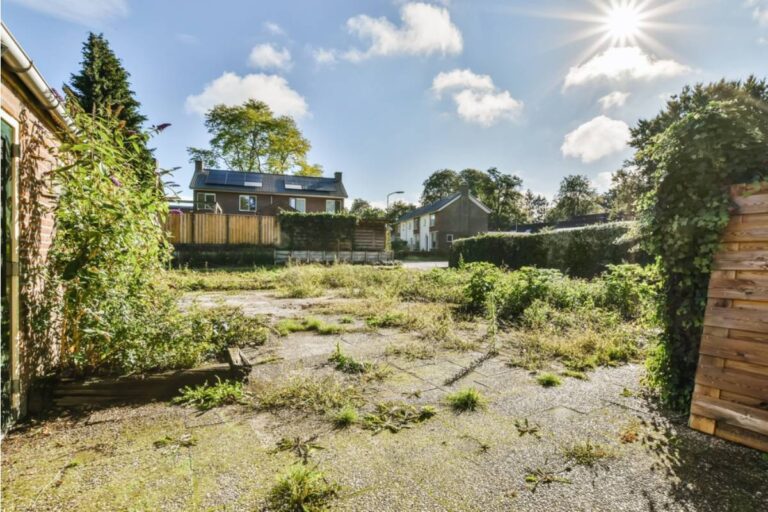
A person shared her story about a garden that had become a major part of her life after her family bought a house the previous year. The yard had required plenty of work, including removing grass, privet, and yew shrubs before she could begin creating the garden she imagined. With each new plant, the once-neglected outdoor space gradually became a collection of future blooms, shrubs, and growing projects.
The timing, however, was less than ideal. She was preparing to leave for a residency that would keep her away for an entire year, right when many of her new plants still needed attention. Instead of simply enjoying the excitement of a developing garden, she suddenly had to plan for its survival without being there to manage it herself.
Her Husband Was Willing to Help, but Gardening Was Not His Hobby
Fortunately, her husband was not refusing to take care of the plants. In fact, he had volunteered to handle the garden while she was away, which was a generous offer under the circumstances. The problem was that he was not particularly interested in plants and did not naturally notice the little details that experienced gardeners often spot without thinking.
That difference mattered more than it might seem. An experienced gardener can notice a dry patch, recognize a thirsty plant, or realize that one corner never receives enough sprinkler coverage. Someone without that instinct might water the entire yard and assume the job was finished, leaving certain plants struggling while other areas became unnecessarily wet.
The Garden Was Filled With Plants That Could Not All Follow the Same Rules
The yard was not simply a patch of grass that needed an occasional soak. It included rhododendrons, lilacs, an apple tree, lowbush blueberries, young peonies, roses, irises, daylilies, lupins, black-eyed Susans, and dahlias. Each plant brought its own needs, making a single watering routine difficult to apply across the entire garden.
Some of the plants were relatively established, while others had only recently been planted or grown from seed. The gardener was especially concerned about helping the newer additions develop strong roots before she returned. Keeping every plant alive was the priority, even if the garden did not look quite as spectacular as she had hoped.
The Dahlias Had a Special Mission Beyond Producing Flowers
Among the plants needing attention were the dahlias, which had their own long-term purpose. The gardener was growing them for their tubers, which she hoped to dig up when she returned home during a few days of vacation in the fall. That meant the plants did not necessarily need to put on a magnificent floral display while she was away.
Instead, she wanted them to survive long enough to preserve the work she had already invested in them. A soaker hose seemed like a promising solution because it could deliver water along the planting area without requiring her husband to make every watering decision himself. The real challenge was figuring out how to keep the dahlias hydrated without accidentally drowning them.
A Hand-Drawn Garden Map Could Become the Secret Weapon
One idea was to create a simple map of the entire yard, marking which plants needed water and how long each area should be watered. Rather than expecting her husband to identify dry soil or recognize struggling foliage, she could give him a straightforward set of instructions to follow. In theory, the map would turn an intimidating garden into a series of manageable tasks.
She also considered estimating watering needs according to the weather forecast. That way, the instructions could account for rainy periods and hot, dry spells instead of demanding the same routine every week. However, even the best map would need some flexibility because rainfall, soil conditions, and the needs of newly planted specimens could change throughout the year.
The Sprinkler Idea Came With a Risky Catch
Another possibility was installing sprinklers and asking her husband to connect them whenever the garden needed water. This would simplify the physical work and reduce the number of individual plants he had to think about. It was an appealing shortcut, especially for someone who did not want to spend his free time studying gardening instructions.
Unfortunately, the gardener worried that sprinklers might create new problems rather than solve everything. Some areas contained clay-like soil that could hold water or allow it to run off instead of absorbing it evenly, while other plants might receive too little moisture. A sprinkler could make the yard look thoroughly watered without guaranteeing that the right amount of water reached every plant’s roots.
The Young Apple Tree Was One Plant She Could Not Ignore
The newly planted apple tree added another complication to the watering plan. Unlike some established garden plants that can tolerate ordinary weather with little extra attention, a young tree may need consistent watering while its root system develops. Leaving it to whatever water happened to fall from the sky could be risky during a prolonged dry spell.
The gardener knew that a single routine might not suit both the tree and the more established plants around it. Giving everything the same amount of water could leave the tree thirsty or keep other areas unnecessarily wet. A separate instruction for the apple tree would make the plan more practical and give her one less thing to worry about from a distance.
The Established Plants Might Be More Independent Than She Thought
Not every plant in the yard needed the same level of supervision. Some irises and daylilies had already demonstrated that they could manage reasonably well on their own, while certain shrubs had been planted long enough to become more established. That offered a little hope that the entire garden would not require constant intervention.
A response from a person suggested that many established perennials can cope without frequent watering when rainfall is adequate. The advice also highlighted the danger of watering plants too often, since frequent shallow watering can encourage roots to remain near the surface. For the gardener, this raised an important possibility: perhaps the best plan was not to water everything more, but to identify which plants genuinely needed help.
An Ordinary Tuna Can Could Solve Part of the Mystery
One surprisingly simple suggestion involved an everyday kitchen item. A response from a person recommended placing empty tuna cans around the garden to measure rainfall, giving the husband a visible way to determine whether the yard had received enough water. Instead of trying to judge the weather by looking at the sky, he could use the collected rainwater as a practical guide.
The idea was especially appealing because the gardener’s husband already liked tuna, making the little rain gauges an amusing fit for the household. The suggestion was to use rainfall measurements as part of the decision about whether additional watering was necessary, rather than automatically reaching for the hose. It would not replace plant-specific instructions, but it could make the routine easier to understand.
A Smart Watering Timer Could Take the Guesswork Out of the Job
Another response suggested installing an automated watering system controlled by a timer or smartphone app. With the right setup, the gardener could divide the yard into separate irrigation zones and adjust watering schedules for different planting areas. That would reduce the need for her husband to remember every individual instruction.
A smart system could also help her monitor watering while she was away, depending on the equipment she chose. However, automation would still require careful setup, particularly because the yard contained different plants and soil conditions. A timer that ran perfectly on schedule could still waste water or leave certain plants struggling if its settings were poorly matched to the garden.
A Camera Might Let Her Keep an Eye on Her Plants From Afar
Her husband even suggested installing a security camera so she could watch the garden while away. The idea was both practical and a little funny, because it offered the promise of checking on her plants from a distance without physically being there. For someone who had spent so much time building a garden, the ability to see familiar flowers and shrubs might offer some reassurance.
A response from a person supported the idea but pointed out that cameras could help reveal problems such as underwatering during a heatwave or drought. The limitation was that a distant view might not show whether the soil around a particular plant was actually dry. Watching the garden grow through a camera would be comforting, but it would not necessarily replace hands-on checks.
Video Calls Could Turn Her Husband Into Her Remote Gardening Assistant
Another suggestion was to use video calls to inspect the yard together every couple of weeks. Her husband could walk around with his phone, show her the plants, and receive specific instructions about which areas needed attention. If necessary, she could even ask him to check the soil near a particular plant while they were on the call.
The gardener welcomed the idea, explaining that her husband would happily use FaceTime to show her the plants. That willingness was an encouraging sign because the challenge was not getting him to care about helping her. It was making the gardening tasks clear enough that he could handle them confidently without needing an expert standing beside him.
A Soaker Hose Could Keep the Most Demanding Beds Under Control
The soaker hose remained an attractive option for the dahlias and potentially other planting areas. Unlike a conventional sprinkler, a soaker hose releases water along its length, helping deliver moisture closer to the soil around the plants. Once positioned correctly, it could reduce the amount of manual watering required for those beds.
However, the setup would still need testing before the gardener left. The hose would have to cover the intended root zones, and the watering duration would need to suit the soil and the plants rather than simply follow an arbitrary schedule. By testing the system in advance, she could discover uneven coverage or leaks while she was still home to fix them.
Hiring a Gardener Could Be the Backup Plan Nobody Expected
One response suggested bringing in a professional gardener for occasional visits during the summer. Rather than asking her husband to manage every detail alone, a knowledgeable person could inspect the yard, identify plants needing extra attention, and adjust the watering routine when conditions changed. The suggestion even included asking a horticulture student to help if a regular gardening service was too expensive.
This approach could provide a useful safety net during particularly hot or dry periods. Her husband would still handle the ordinary routine, while the visiting gardener could catch problems that were difficult to spot from a written guide or camera. It would also mean that the entire garden would not depend on one person’s ability to remember every instruction for twelve months.
The Real Twist Was That Her Garden Might Not Need Constant Watering
After considering the different suggestions, one important lesson emerged: keeping a garden alive does not always mean watering it as frequently as possible. Newly planted perennials and young trees often need additional attention while becoming established, but established plants may require much less supplemental water when rainfall is sufficient. Understanding that difference could make the gardener’s year-long plan considerably simpler.
The most practical solution would likely combine a clear garden map, separate instructions for plants with different needs, a rainfall gauge, and targeted irrigation where necessary. A smart timer or occasional professional visit could provide extra reassurance, while regular checks would help catch leaks and unexpected dry patches. Rather than trying to turn her husband into an overnight gardening expert, she could create a system that made the right decisions easier for him.
Her Year Away Could Become a Test of How Well the Garden Was Designed
The gardener had originally focused on transforming an overlooked yard into a place filled with plants she wanted to watch mature over the years. Now, her upcoming absence had forced her to think about something equally important: how to make that garden resilient enough to survive without her constant attention. The challenge was no longer just about planting beautiful things, but about building a routine that someone else could realistically maintain.
There was also an encouraging detail hidden in the situation: her husband had volunteered to help, suggested using a camera, and was willing to show her the garden during video calls. Those gestures suggested that she would not have to manage everything alone, even if he never developed the instincts of an enthusiastic gardener. If she could combine his willingness with a simple watering system and a little backup support, her carefully planted perennials might still be waiting for her when she finally returned home.