Homeowner Says She Began Turning Her Huge New Yard Into a Pollinator Garden, Then the City Sent Her a Hefty Fine for Letting the Flowers Grow
A person shared his story after moving into a new home in the Edison neighborhood and falling in love with the idea of transforming part of the property into a pollinator garden. The lot was unusually large, which seemed like the perfect excuse to replace a stretch of ordinary lawn with native flowers, buzzing insects, and eventually a garden full of life. After being inspired by nearby wildflower spaces and the abundance of fireflies in the area, the new homeowners started planting native seeds almost immediately.
They were not trying to create an overgrown mess or neglect the property. They simply wanted to let a small portion of the yard become something much more useful than a perfectly trimmed patch of grass. At first, the project felt like the beginning of a beautiful new chapter in their gardening life.
The Wildflower Dream Took Root Slowly
The homeowners understood that native gardens do not magically become lush overnight. Seeds need time, young plants need room to establish themselves, and a patch of soil can look surprisingly unimpressive before it finally takes off. Their dream was still very much in its awkward early stage when the city suddenly entered the picture.
Instead of seeing a future pollinator oasis, an inspector apparently saw a lawn that had grown too wild. The homeowners were shocked when a hefty fine arrived in the mail citing a nuisance grass ordinance. The surprise was even greater because they said they had never received a warning beforehand.
There Was No Angry Neighbor Behind the Complaint
Naturally, the first question was whether someone nearby had complained about the unusual-looking yard. The homeowners contacted a city office hoping to learn what had triggered the citation, only to discover that no complaint had been filed. According to the information they received, the ordinance officer had noticed the property independently and issued the citation.
That detail changed the whole story. This was not a case of one neighbor deliberately targeting another person’s garden, but a homeowner discovering that a city official had a very different idea of what a well-maintained yard should look like. The garden project had somehow become a paperwork problem before it even had a chance to bloom.
Then Came the Unexpected Permit Problem
When the homeowners spoke with the officer, they were told that they needed to apply to use the lawn as a pollinator garden. There was just one problem: the homeowners could not find a clear application or permit process on the city’s website. The online information they found seemed to discuss a limited seasonal program rather than provide an obvious path for approving their specific project.
That left them in a frustrating gardening limbo. They had planted the seeds, envisioned the flowers, and accepted that the garden needed time, yet they were being told to mow everything while waiting for approval. Their dream garden had suddenly acquired the least exciting feature imaginable: bureaucracy.
The Advice From One Experienced Gardener Changed Everything
Then a response from a person arrived with advice that went far beyond simply telling them to fight the fine. The experienced native plant gardener explained that a new naturalized garden needs to look deliberate, especially during the early stages when the plants have not yet filled in. Defined borders, visible paths, and clear planting areas could make the difference between a garden that looks intentional and one that simply looks abandoned.
That suggestion may have been the most practical turning point in the entire situation. Instead of allowing the yard to appear like a neglected lawn, the homeowners could create unmistakable visual boundaries around the future habitat. The garden would still be wild in spirit, but it would announce itself as a garden.
The Grass Had to Go Before the Flowers Could Take Over
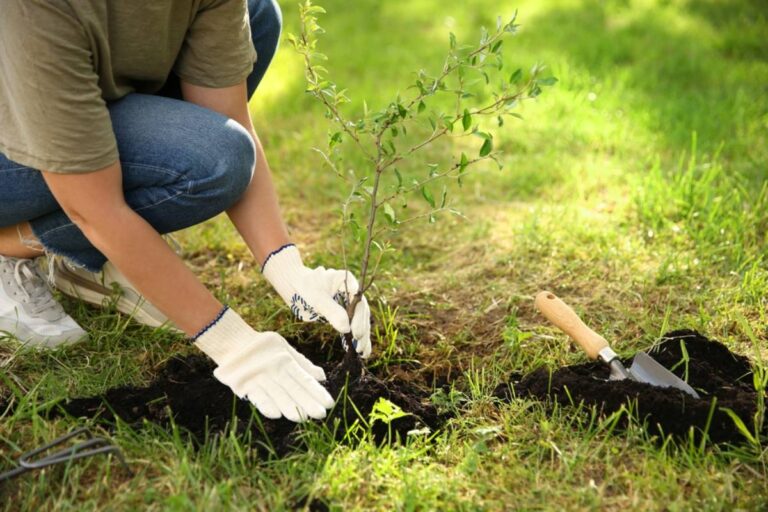
The same gardener also suggested tackling the grass itself instead of simply scattering more seed over it. One method involved cutting the existing lawn very short, covering it with large sheets of cardboard, soaking those sheets thoroughly, and then placing a substantial layer of topsoil over the top. Native seeds could then be spread across the prepared soil before being covered with mulch.
It was a surprisingly simple recipe for turning a lawn into a planting bed. Just as importantly, it offered the homeowners a way to make the transformation look planned from the beginning. A clearly prepared garden bed was much harder to dismiss as ordinary neglected grass.
Local Gardeners Had More Resources Than They Expected
The advice did not stop with soil preparation. The experienced gardener pointed the homeowners toward local sources for native seeds and plugs, including community resources where native plants could sometimes be obtained much more cheaply than expected. That meant the couple did not necessarily have to spend a fortune building their pollinator garden.
A person also recommended connecting with local native-plant groups that organize educational events, plant sales, and exchanges. Suddenly, what had started as a lonely fight with city rules became an opportunity to find an entire community of gardeners who had already dealt with similar challenges. The garden was beginning to grow in more ways than one.
Other Gardeners Knew the Ordinance Battle All Too Well
As more people weighed in, the homeowners learned they were far from the only gardeners who had encountered confusion over lawn rules. One person described receiving multiple notices over similar issues, while another said a simple edging system had helped make a natural-looking planting area appear much more intentional. The experiences varied, but the common theme was that presentation mattered.
That was a valuable lesson for anyone trying to replace conventional turf with a wildlife-friendly landscape. Even supporters of native gardening acknowledged that a little structure could prevent misunderstandings. A garden with crisp borders and obvious planting zones tells a very different story than grass that simply appears to have been forgotten.
The Border Around the Garden Became a Secret Weapon
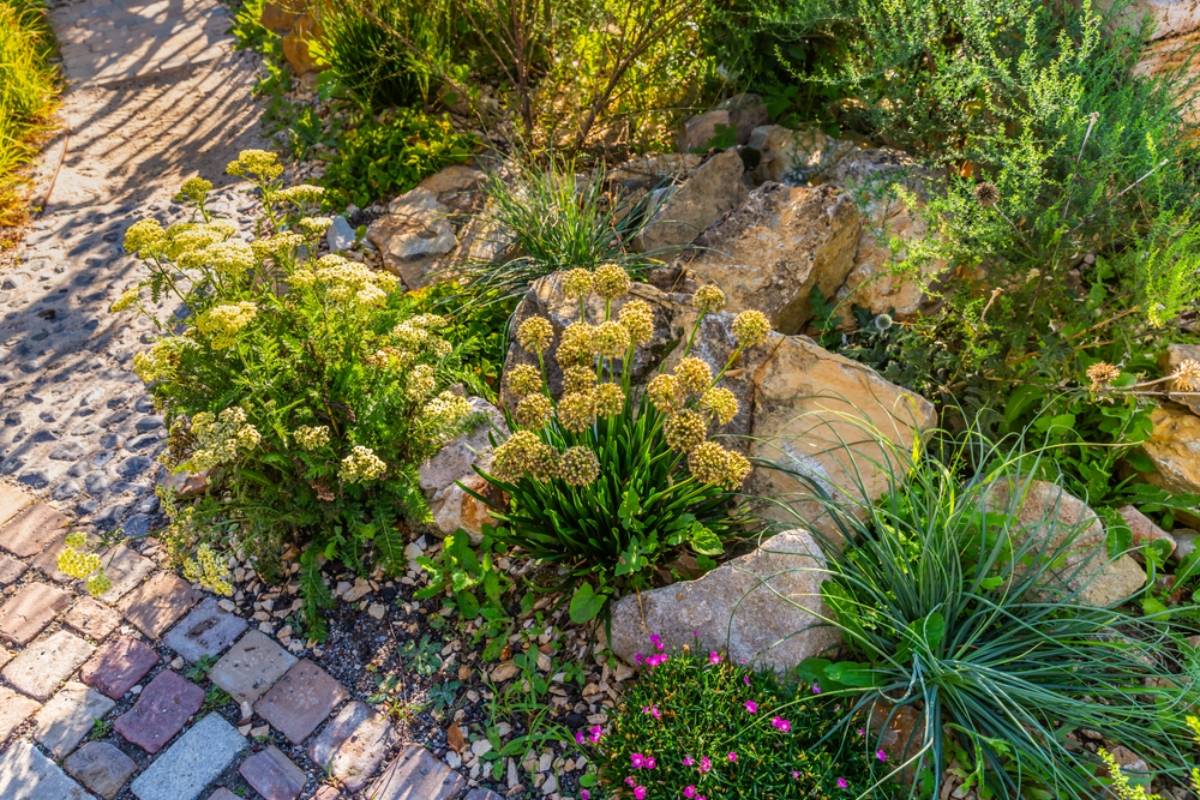
One particularly useful suggestion involved something as simple as edging. Wooden borders or inexpensive garden edging could visually separate the wildflower area from the rest of the lawn and make it obvious where the intentional garden began. The idea was not to tame the entire garden, but to give the wild plants a frame.
That small detail could make a surprisingly big difference. A person explained that adding even a short border had changed how their own garden was perceived, and another gardener described using simple wooden edging around beds near the sidewalk. In a project already tangled in municipal rules, a few pieces of edging suddenly sounded like a very cheap insurance policy.
Then the Sidewalk Created a Bigger Complication
Just when the homeowners were beginning to understand how to design their garden, another issue came into view. Part of the photographed area was apparently the narrow stretch between the sidewalk and the curb, a strip that can fall within a public right-of-way even though residents are still responsible for maintaining it. That meant planting there could come with a completely different set of expectations.
The warning was especially important because gardens in these areas may be affected by future utility work. Even a beautiful bed could potentially be damaged if crews needed access to underground infrastructure, and visibility requirements could limit how tall plants are allowed to become. The homeowners had not just inherited a large yard, but a yard with several invisible boundaries.
Visibility Could Matter as Much as the Flowers
Tall flowers may be wonderful for bees and butterflies, but they can create problems when placed where pedestrians, drivers, or intersections require clear sightlines. One response from a person pointed out that different rules may apply to plants growing close to sidewalks and streets. Suddenly, even the height of a flower became part of the garden planning process.
That did not mean the pollinator project had to disappear. It meant the homeowners needed to think strategically about where the tallest plants would go and where shorter species would make more sense. The garden could still be wild, colorful, and buzzing with life while keeping the public-facing edges tidy.
A Trip to City Hall Might Have Been the Missing Piece
One person suggested skipping the confusing website entirely and visiting the appropriate department in person. According to that advice, city staff could provide the necessary forms, explain the rules, and potentially resolve the fine once the homeowners explained what they were trying to create. For a problem that had begun with vague online information, a face-to-face conversation sounded refreshingly simple.
That possibility offered a glimmer of hope. The homeowners had not deliberately ignored a known rule, and several people believed the situation could be cleared up once the intended garden was properly documented. Sometimes the shortest route through a maze of regulations is finding the right person rather than finding the right webpage.
Other Neighborhoods Were Already Proving Native Gardens Could Work
The discussion also brought up local examples of neighborhoods and gardeners successfully creating naturalized spaces. These examples mattered because they showed the homeowners that a pollinator garden was not necessarily doomed to remain an argument between wildflowers and city inspectors. Other residents had already found ways to combine ecological landscaping with neighborhood expectations.
The homeowners were also told about a local native-plant organization whose members focus on exactly this kind of landscape. Stories emerged about gardeners who had worked through ordinance questions, exchanged plants, and learned how to make native gardens fit comfortably into established neighborhoods. What initially felt like a battle now looked more like a puzzle with a growing number of clues.
The Biggest Surprise Was How Much Support They Found
Despite the frustration, the reaction from other gardeners was not entirely negative. Several people clearly sympathized with the desire to create habitat for pollinators, fireflies, and native plants instead of maintaining an endless expanse of ordinary turf. One response even pushed back against the idea that homeowners should simply abandon the project because someone considered it unconventional.
That encouragement mattered. The homeowners had moved to the area excited about the local environment, and they were still enthusiastic about living there despite the rocky start. Underneath the fine, the ordinance confusion, and the mowing requirement was a much more interesting story about people trying to figure out how a traditional neighborhood can make room for a different kind of garden.
The Huge Lot Suddenly Looked Like a Long-Term Project
There was another challenge waiting beyond the garden itself: an enormous amount of sidewalk to maintain. The homeowners estimated that the property had roughly 300 feet or more of sidewalk surrounding it, making winter maintenance a much bigger task than they had expected. People quickly began offering advice about snowblowers and other equipment, turning the garden conversation into an unexpected lesson in year-round property care.
Yet even that problem added another layer to the story. The homeowners had arrived thinking primarily about flowers, seeds, and pollinators, only to discover that a big property comes with a long list of responsibilities in every season. Their garden plans had started with springtime dreams, but the real adventure was going to involve mowing, edging, municipal rules, snow, and plenty of patience.
In the End, the Fine May Have Improved the Garden
The strange twist is that the citation may ultimately push the homeowners toward a better garden than the one they originally imagined. Instead of simply allowing a patch of lawn to gradually become wild, they now had a reason to build defined beds, plan pathways, choose suitable plants, and understand the boundaries around their property. What looked like a setback could become the blueprint for a much more intentional landscape.
The pollinator garden was never really the problem. The problem was that a young garden can look messy before it looks magical, especially to someone seeing it for the first time through an ordinance checklist. By giving the wildflowers a clear structure and working through the city’s requirements, the homeowners may eventually create exactly what they wanted from the beginning: a thriving garden that looks beautiful, supports wildlife, and leaves very little room for anyone to mistake it for an accident.