Homeowner Spent 14 Years Building a Wildlife-Friendly Garden, Then the County Said Its Plants Were Violating a Little-Known Property Line Rule
A person shared his story after receiving an unexpected notice about a garden he had been building since 2012. For fourteen years, the landscape had slowly evolved through planting, path building, terracing, and the creation of flower beds designed to attract birds and pollinators. What started as a garden project had eventually become a major part of the property.
The garden also grew considerably during the COVID era, when the homeowner had more time to put into it. Season after season, he had shaped the space into something personal and carefully maintained. Then, after years of watching it flourish, an official notice suddenly turned that peaceful gardening routine into a much bigger problem.
The County Notice Changed Everything
The trouble began when the homeowner received a notice stating that vegetation on the property had exceeded 8 inches in height. That alone might have sounded like a simple maintenance issue, but the notice contained another rule that was far more significant for the garden. It stated that natural landscapes could not be located within five feet of an adjacent owner’s property boundary, including the right-of-way area.
The same notice also required a site plan identifying all native plants and vegetation. Suddenly, this was no longer a matter of trimming a few tall plants or clearing a neglected corner. The homeowner was looking at a garden redesign that could potentially affect a large portion of the landscape he had spent years creating.
Then Came the Five-Foot Requirement
After speaking directly with the inspector, the homeowner learned that the situation was even more specific than the original notice suggested. He was told that plants would have to be removed from within five feet of the property line. On top of that, the garden would need to be documented with a site plan showing the plants and vegetation growing there.
That detail was particularly frustrating because the garden was not a new project that had appeared overnight. It had been developing since 2012, with the homeowner gradually adding features and shaping the landscape over many years. The rule had suddenly placed a measurement on a garden that had previously been treated as a labor of love rather than a regulatory puzzle.
Fourteen Years of Gardening Were Suddenly on the Line
The homeowner explained that countless hours had gone into creating paths, terraces, flower beds, and spaces that provided habitat for wildlife. Those features were not simply decorative additions scattered around the yard. They were part of a larger landscape that had been carefully planned and enjoyed over a long period of time.
That made the county’s decision especially difficult to absorb. Removing a few plants might sound minor when viewed individually, but moving established vegetation can change the entire appearance and structure of a garden. What looked like a simple setback on paper could mean undoing years of work in the real world.
The Garden Was More Than Just Plants
One of the most interesting parts of the story was how much the homeowner’s landscape had become an ecosystem of its own. Paths divided different areas, terraces created layers, and flower beds added structure while providing habitat for birds and pollinators. Over time, those pieces had turned an ordinary yard into a garden with its own character.
That is why the possibility of losing sections of it felt bigger than losing a few plants. A mature garden is often a connected system, where moving one bed can affect a path, a view, or the relationship between different planting areas. Once the five-foot boundary entered the picture, the homeowner was forced to consider the garden as a puzzle that might need to be rearranged.
The Next Question Was How Much Had to Go
After the initial shock, the homeowner started trying to determine exactly what the rules required and which areas would actually be affected. He was not yet certain how much of the garden would have to change. That uncertainty made the situation even more stressful because he was facing the possibility of a major reduction without knowing the final scope.
The most concerning possibility was that portions of the landscape might need to be removed altogether. Areas that had never seemed vulnerable could suddenly fall inside the restricted zone simply because of where they had been planted. The garden had been designed around sunlight, paths, planting combinations, and wildlife, not around a future five-foot line.
A Response Suggested Turning the Setback Into a Design Feature
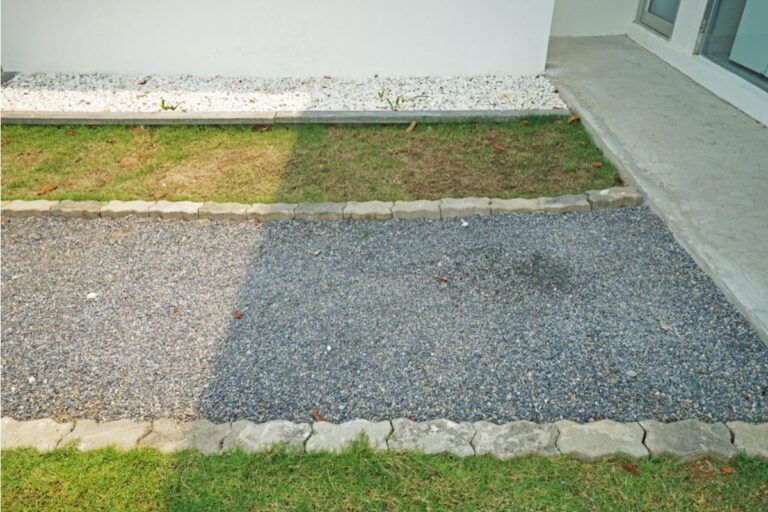
A person responding to the story suggested looking at the setback rule as an opportunity for redesign rather than the end of the garden. One idea was to remove plants close to the boundary and replace that space with a path. That could preserve more of the existing planting areas while still creating a practical feature where the setback had to remain clear.
The suggestion offered an important shift in perspective. Instead of treating every required change as a loss, the homeowner could potentially use the new boundary to create a wider walkway, transition zone, or intentional edge to the garden. It would not erase the frustration, but it might prevent the required changes from completely breaking the original layout.
The Site Plan Could Become the Garden’s Best Defense
Another part of the situation centered on the requirement to create a site plan identifying the garden’s native plants and vegetation. At first, that probably sounded like yet another administrative burden. But once the garden was carefully documented, the homeowner would at least have a clear record of what existed and where each part of the landscape belonged.
For a gardener with a mature and complicated property, mapping the beds could also reveal opportunities that are easy to miss by simply walking through the yard. Paths, terraces, planting zones, and boundary areas could all be measured and organized into a more precise layout. What started as paperwork might ultimately become a useful blueprint for deciding which plants could stay, which might need to move, and where future additions could go.
Other Gardeners Recognized the Pain
The homeowner received several sympathetic responses from people who understood how upsetting it would be to have a long-established garden suddenly challenged. One person acknowledged that the situation was painful but encouraged the homeowner to focus on preserving as much of the garden as possible. The idea was to combine determination with a practical plan rather than allow the setback to erase everything.
Another person simply expressed condolences, pointing out how devastating it could feel after so many years of work. That reaction is easy to understand because gardeners rarely think of their plants as temporary decorations. Once a landscape matures, the work becomes tied to memories, routines, and the changing character of the property.
One Gardener Had a Prairie Restoration With a Sign
Another person offered a more unusual idea based on their own experience. They described having a section of their property devoted to prairie restoration and using a sign to identify it. Their suggestion was to follow the required setback rules while also clearly identifying the remaining landscape as a deliberate restoration project.
That approach may not solve every legal or zoning issue, but it introduced a different way of thinking about intentional natural landscaping. A garden can look wild while still being carefully planned, and a clear explanation of its purpose can sometimes help people understand what they are seeing. For the homeowner, it was another reminder that documentation and presentation might matter almost as much as the plants themselves.
Then the Conversation Took a Sharp Turn
Not everyone agreed that the rules were unreasonable, and one response pushed back on the idea that natural landscaping should automatically be protected from restrictions. The person compared unmanaged plants near a boundary to other materials that could spill into a neighbor’s space, arguing that vegetation can still create consequences. Competition between plants, encroachment, and fire concerns were all raised as possible reasons for boundary protections.
That response changed the tone of the discussion because it introduced the other side of the garden equation. To the homeowner, the plants represented years of work and habitat creation, but a neighboring property owner may see the same growth very differently. Suddenly, the five-foot strip was not just an arbitrary line on a notice, but a boundary where two different ideas about what a yard should be could collide.
The Real Twist Was the Garden’s Future
The biggest twist in the story is that the homeowner may not actually be facing the end of his garden. The immediate problem appears to involve a specific setback area, plant documentation, and compliance with county requirements rather than the complete removal of every naturalized section. That distinction could leave room for a redesign that preserves much of what already exists.
After fourteen years of gardening, the homeowner now has a very different challenge than the one he started with. He is no longer simply deciding what to plant next, but figuring out how to reshape an established landscape around a rule he never expected to encounter. The garden may end up smaller in certain places, but the story is not necessarily finished, and its next chapter could be about adaptation rather than abandonment.
A New Garden Might Grow From the Old One
For gardeners, setbacks like this can feel especially harsh because established landscapes are difficult to recreate once mature plants are removed. Yet gardens also have a strange way of reinventing themselves when circumstances change. A relocated plant, a new pathway, or a freshly designed border can turn an unwanted gap into something that looks intentional.
The homeowner’s fourteen-year project may therefore be entering an unexpected second phase. Instead of starting over, he could use what he has already learned about the property to build a new layout that works with the required boundaries. The surprise is that the garden’s greatest change may come not from what grows next, but from where the gardener decides it should grow.
The Five-Foot Line May Become Part of the Garden Story
What began with a county notice about vegetation height ended with a much larger question about how people shape the land around their homes. The homeowner had spent years creating habitat, paths, terraces, and planting beds, only to discover that a property line could dictate where part of that vision could exist. Now the challenge is to understand the rules, document the landscape, and preserve as much of the garden’s character as possible.
A garden that survives a setback like this may eventually become an even more carefully designed space. The plants near the boundary may move, a new path may appear, and the once-annoying five-foot strip could become an intentional transition between the garden and the neighboring property. After fourteen years, the homeowner did not expect to redesign his landscape for a rule, but that may be exactly what gives this garden its next chapter.