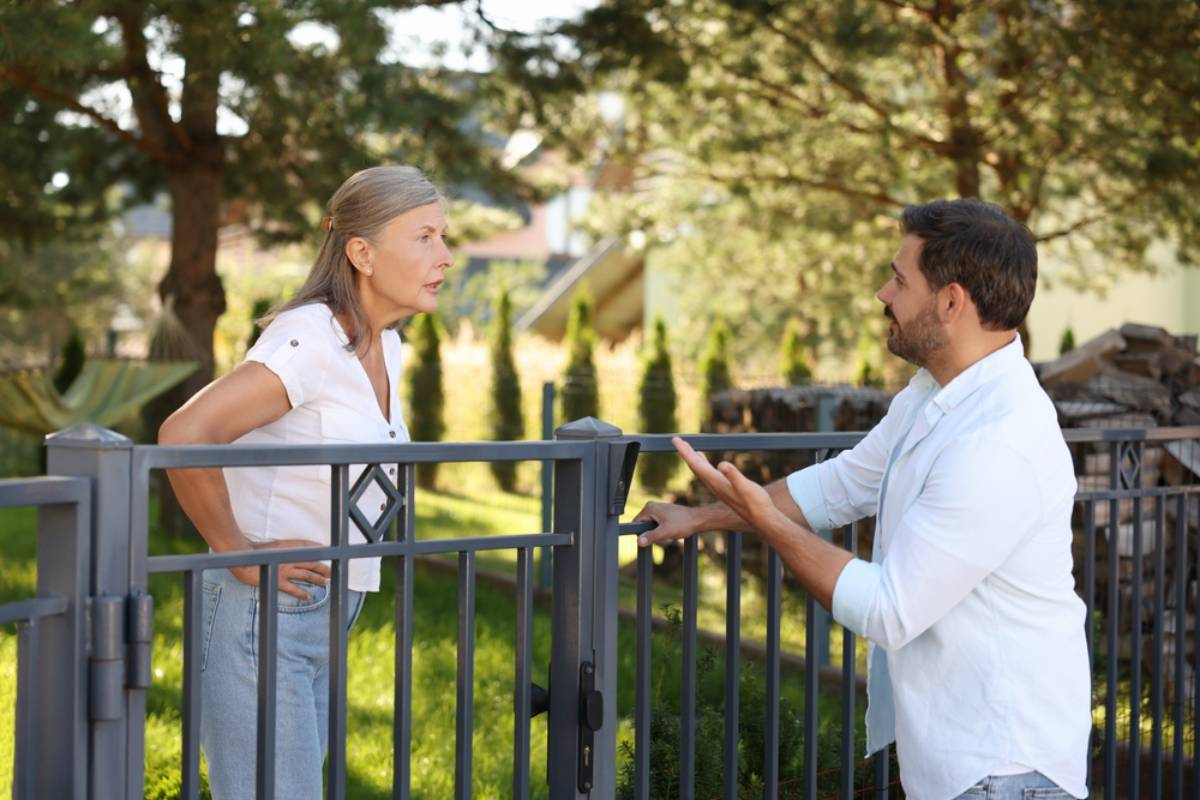
Homeowner Spent Months Turning Her Backyard Into a Peaceful Garden Retreat, Then New Neighbors Started Holding Loud Barbecues Every Weekend Three Meters From Her Fence
A person shared a story about spending months transforming their backyard into the kind of garden that makes you want to sit outside with a drink and forget the rest of the world exists. The plants were growing, the space finally felt peaceful, and the garden had become a little sanctuary after months of work. Then new neighbors moved in, and suddenly that sanctuary came with a soundtrack of loud conversations, laughter, music, and barbecue smoke.
At first, the weekend gatherings seemed harmless enough, especially because they usually wrapped up around 10 p.m. The problem was not one occasional dinner or one noisy Saturday, but the fact that the gatherings happened every Friday, Saturday, and Sunday. Before long, the homeowner realized the garden they had worked so hard to create was becoming the one place around the house they actively avoided.
The Garden Was Finally Becoming a Sanctuary
The homeowner had spent months working on the backyard and had reached the satisfying stage where everything finally looked intentional. Plants had grown in, the space felt inviting, and the garden offered a quiet place to decompress after a busy week. It was supposed to be the part of the home where a person could sit down and enjoy the results of all that effort.
Then the new neighbors arrived and changed the atmosphere almost overnight. Their outdoor dining area sat only about three meters from the dividing fence, with very little between the two properties to soften the sound. What had once been a peaceful garden suddenly had front-row seating to someone else’s weekend social calendar.
Friday Night Arrived With More Than Just Friends
The gatherings happened with impressive consistency. Every Friday afternoon, people would begin arriving, followed by more guests, background music, food, and plenty of conversation. Nothing about one individual gathering seemed outrageous, but the repetition turned an ordinary social evening into something that dominated the entire weekend.
The homeowner explained that the guests rarely stayed extremely late, usually finishing around 10 p.m. That detail actually made the situation harder to explain to others because the issue was not a midnight party. It was the realization that Friday night, Saturday afternoon, and Sunday afternoon could all disappear beneath the same steady hum of voices.
The Barbecue Smoke Became Another Problem
Noise would have been frustrating enough, but the neighbors also barbecued during every gathering. Smoke drifted across the fence and toward the house, eventually becoming noticeable indoors even when all the windows were closed. Since the homes were not especially well sealed, escaping the smoke was apparently much harder than simply shutting a window.
That meant the garden was being affected from both directions. Sitting outside meant listening to the gathering, while staying indoors meant hearing the gathering through the walls and dealing with smoke that somehow seemed determined to follow. The homeowner began to feel as though there was no peaceful side of the house left.
Three Meters Made Every Conversation Feel Close
The layout of the properties played a huge part in the problem. The homes were part of an estate made up of duplex-style townhouses, with separate front and back yards divided by fences. Because the outdoor table was so close to the boundary, there was virtually no distance between the conversations next door and the homeowner’s garden.
The result was almost comical in the worst possible way. With the doors and windows shut, the homeowner said the voices could still sound as though the guests were inside the house. A garden fence had technically separated the properties, but it certainly had not separated the sound.
The Weekend Started Feeling Like Something to Dread
Eventually, the homeowner noticed something more serious than simple annoyance. Weekends, which should have been the easiest time to relax, started becoming something to anticipate with anxiety. The garden was no longer associated with sunlight, plants, and quiet afternoons, but with wondering when the next gathering would begin.
That was particularly painful because the homeowner and their partner had work schedules that made weekends their main opportunity to spend meaningful time together. Instead of looking forward to sitting in the garden, they found themselves bracing for another afternoon of noise. A space designed for relaxation had quietly become a source of stress.
Then the Parking Situation Added Another Layer
The outdoor gatherings were only part of the neighborhood drama. The neighbors also owned several unusually large vehicles, despite having limited driveway space, which meant visitor parking was regularly being used. According to the homeowner, one household member would effectively hold a visitor spot until another vehicle arrived and needed access.
Guests created even more headaches by stopping outside cars, blocking driveways, and parking on nearby grass verges. The homeowner said there had already been several occasions when vehicles had to be moved so they could get into their own driveway. Suddenly, the weekend garden problem came with a parking sequel.
The Homeowners Refused to Fight Dirt With Dirt
One suggested solution was to use the visitor spaces themselves, but the homeowner’s partner did not want to break the rules simply because the neighbors appeared to be doing it. The couple decided they would rather follow the body corporate regulations than turn the parking dispute into a competition. It was a surprisingly restrained choice considering how quickly these neighborhood conflicts can spiral.
That decision also showed why the homeowner seemed reluctant to retaliate with deliberately disruptive behavior. They wanted to enjoy their property without becoming the kind of neighbor they were complaining about. Unfortunately, the more reasonable they tried to be, the more trapped they seemed to feel.
A Response From a Person Suggested Reclaiming the Garden
A response from a person suggested that the homeowner should simply use the garden anyway. Instead of surrendering the outdoor space every weekend, the couple could sit outside, have dinner, talk with friends, or simply make normal garden sounds of their own. The idea was not necessarily to start a noise war, but to remind everyone that both households had equal rights to enjoy their own yards.
That suggestion struck a nerve because the homeowner admitted that they were naturally introverted. Still, they began thinking about inviting their own friends over for dinner, especially because their friends had young children who might provide plenty of perfectly ordinary background noise. For the first time, the garden was starting to sound like a place they could reclaim rather than abandon.
Then Came the Temptation of the Leaf Blower
Another response from a person took a much more mischievous route. The suggestion was that the homeowner should suddenly discover an enormous enthusiasm for weekend garden projects involving noisy tools. A leaf blower was jokingly proposed as the ideal solution because it could conveniently become very important every single afternoon.
The homeowner immediately loved the idea. They joked about buying one and somehow finding endless garden DIY jobs to do whenever the neighbors began another gathering. It was clearly intended as humor, but the image of someone aggressively maintaining perfectly healthy flower beds every Sunday afternoon added a new comic twist to the story.
The Quieter Suggestions Were More Practical
Other people suggested documenting the situation and keeping security cameras pointed toward the relevant areas. Others recommended focusing on specific problems, such as smoke drifting into the home, rather than simply accusing the neighbors of being too loud. That approach could make a future conversation more productive because it addressed the actual impact instead of criticizing people for having guests.
There was also a suggestion to contact authorities if genuinely dangerous behavior occurred, particularly if intoxicated guests were attempting to drive away. That advice came with an important distinction: ordinary weekend gatherings are one thing, while dangerous conduct is another. The homeowner had not described a late-night disaster, but the repeated disruption was becoming difficult enough that they were clearly looking for a line they could reasonably draw.
One Person Thought the Problem Was Simply the Time
Then came a response that completely missed the point. A person pointed out that staying until 10 p.m. hardly sounded like wild partying, as though the clock itself settled the argument. The homeowner pushed back and explained that the issue was never that the neighbors were partying late into the night.
The real problem was frequency. Three gatherings every weekend, week after week, meant there was barely a Saturday or Sunday afternoon without noise, guests, smoke, and activity next door. Ten o’clock might not be late, but hearing the same celebration every weekend could still feel endless.
The Public Holiday Turned Everything Up
The situation reached a new level on a public holiday. The homeowner came downstairs and said the gathering sounded so close that it felt as though the guests were standing inside the house. After enduring the noise for hours, the homeowner admitted that they could no longer simply shrug it off as normal townhouse living.
The emotional impact had become impossible to ignore. The homeowner said they were beginning to develop anxiety around weekends, which was especially upsetting because weekends were supposed to be the time when they could finally relax. Their beautiful garden had somehow become the place that made them least comfortable.
The Twist Was That the Garden Was Still Theirs
The most interesting part of the story was not the noise, the barbecue, or even the parking. It was the realization that the homeowner had gradually handed over their own garden without anyone actually taking it from them. The neighbors had occupied the space with their sound and smoke, but the fence still marked a clear boundary: their garden belonged to them, and so did the homeowner’s.
That changed the possible ending. Instead of spending every weekend hiding indoors, the homeowner could begin using the garden again, inviting friends over, eating outside, tending plants, and making the space feel lived in. The neighbors might still gather next door, but they would no longer automatically control whether the homeowner enjoyed their own backyard.
A Garden Retreat Was Ready for Its Second Act
The homeowner had created the garden for peace, but perhaps the next stage was learning that a peaceful garden does not have to be a perfectly silent one. Flowers can grow beside conversation, dinner tables can sit beneath garden lights, and children can laugh while someone waters the plants. The trick was not necessarily making the neighbors disappear, but refusing to disappear from the garden themselves.
What began as a complaint about weekend gatherings ended with a much more interesting question: who gets to enjoy the backyard when two homes sit only a few meters apart? The answer may be less dramatic than a leaf blower showdown and more satisfying, because reclaiming a garden can start with something as simple as stepping outside and using it again.