Homeowner Says Her Neighbors Kept Throwing Trash Into Her Garden Pots, Then She Realized the Garbage Was Only Part of Their Strange Daily Game
A homeowner noticed something strange one morning when she found a crushed drink can sitting inside one of her large planting pots. She assumed it had blown there during bad weather and tossed it into the proper bin without thinking much about it. Unfortunately, the same thing happened again the next day.
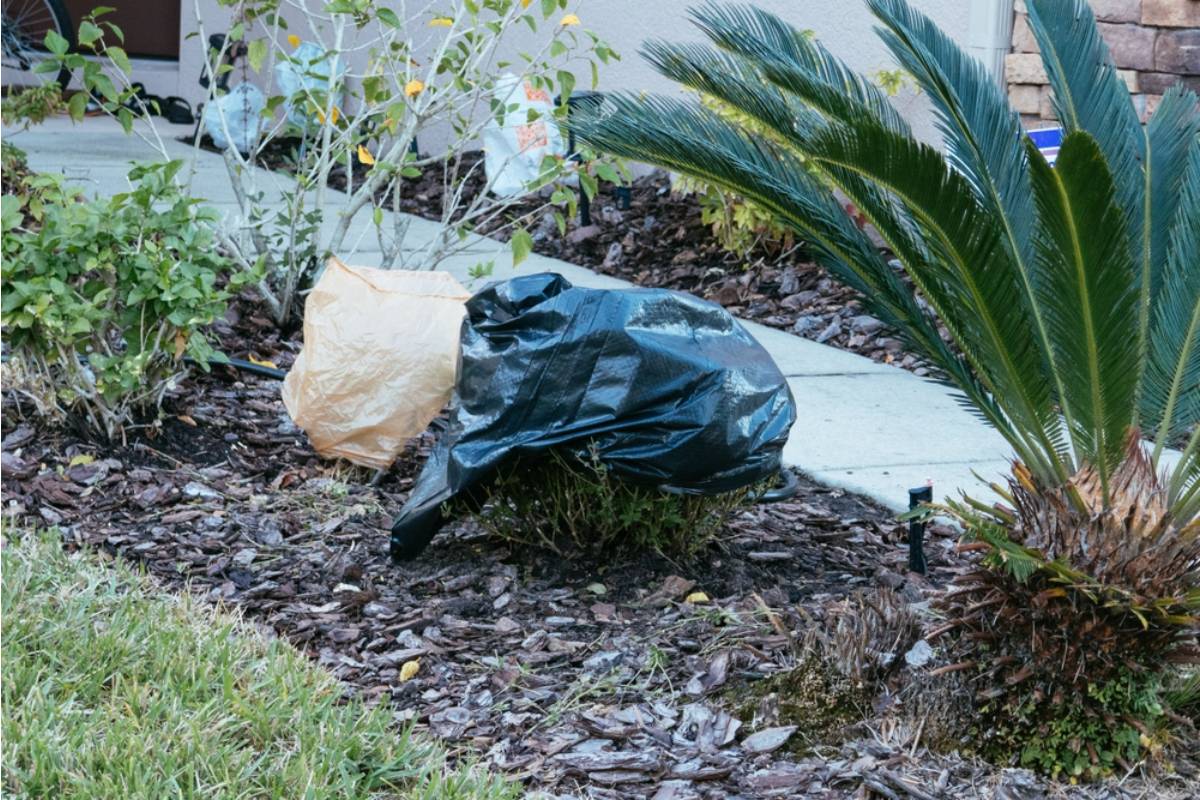
Soon, the random garbage became impossible to dismiss as an accident. Cans, bottles, wrappers, and other pieces of trash kept appearing on her property, with some of them landing directly inside the pots she used for flowers and garden plants. Instead of enjoying her morning watering routine, she found herself playing an unpleasant game of garbage detective.
The Garden Pots Were Suddenly Targets
The homeowner had always taken pride in keeping her garden neat. She had spent money on attractive planting pots, flowers, supports, ant traps, and other small items that made the yard feel organized and cared for. Now those same items seemed to have become convenient targets for people who apparently found amusement in leaving things where they did not belong.
The worst part was that the trash was not hers. She still picked it up every time because she refused to leave litter scattered around her property. Every can she removed felt like another tiny reminder that somebody else was creating work for her and expecting her to deal with it.
It Wasn’t Just Trash
Then the homeowner started noticing that other garden items were disappearing. Small planting pots vanished, flowers went missing, and even garden stakes seemed to wander away from where she had placed them. One day, she discovered that a five-hole red clay brick she had been using in the garden had been broken.
A person had shared a story about the situation and explained that these incidents were frustrating partly because each individual item was inexpensive. A missing pot might not be worth a police report by itself, and a broken brick might sound trivial when described separately. But when all the little losses were added together, the homeowner realized somebody was repeatedly interfering with her garden.
The Strange Part About the Pots
The homeowner began wondering why so much of the trash ended up in her planting containers. There were sidewalks, streets, public bins, and countless other places where someone could have dropped or thrown a can. Yet her flower pots seemed to receive a surprising share of the neighborhood’s unwanted debris.
She started checking the pots before watering and finding herself irritated before breakfast. A beautiful planter filled with healthy flowers should have been one of the nicest sights in the yard. Instead, she began approaching each one wondering what piece of garbage would be waiting inside.
She Refused to Throw It Back
The obvious temptation was to pick up the trash and return it directly to the people she believed were responsible. She decided against it. Two wrongs, she figured, would only turn a garbage problem into a neighborhood war, and she had no interest in becoming part of someone else’s performance.
Instead, she continued disposing of everything properly. She cleaned the pots, straightened the plants, and tried to pretend the situation was not getting under her skin. But every new piece of trash made that strategy harder.
Then the Garden Supplies Started Moving
The missing items became more concerning than the garbage. Flowers that had been planted carefully suddenly disappeared, while objects such as ant traps and planting sticks could no longer be found where she had left them. The homeowner started wondering whether the incidents were random mischief or something much more deliberate.
She began taking photographs of the garden after finishing her work. That way, if something disappeared or was damaged, she had a record showing exactly where it had been. The garden slowly became one of the most photographed places on the property, and not because she had suddenly become obsessed with taking pictures of flowers.
The Brick Was the Breaking Point
Then came the broken clay brick. It had been part of the garden arrangement, and although it was not expensive, seeing it damaged made the homeowner furious. Unlike a piece of trash accidentally blown into the yard, the broken brick could not be explained away so easily.
She picked up the pieces and placed them beside the planter where they had originally been used. For a moment, she considered leaving them there as evidence. Then she remembered that she was trying to preserve her peace, not turn her flower bed into a crime scene.
A New Camera Appeared
A response from a person offered perhaps the most practical suggestion: install a camera, put up signs, and document every incident. The homeowner had initially hesitated because she did not want to make the neighborhood conflict even more obvious. Eventually, the repeated damage convinced her that knowing what was happening was better than guessing.
She positioned a camera to cover her own garden and the areas where the incidents were occurring. The setup was deliberately focused on her property rather than becoming an excuse to monitor everyone around her. For the first time, she could leave the garden without wondering whether something would mysteriously change while her back was turned.
The Trash Became a Pattern
The camera did not immediately produce the dramatic revelation she had imagined. Instead, it helped establish something more useful: a pattern. Trash appeared repeatedly, garden objects moved unexpectedly, and certain incidents occurred when particular people were nearby.
The homeowner began recording each event with a date and photograph. She kept receipts for newer pots and garden supplies and saved pictures showing where everything had been placed. What had once seemed like a collection of petty annoyances was becoming a documented history.
Something About the Garbage Felt Intentional
One afternoon, the homeowner found another drink can sitting perfectly inside a large planter. It was not lying near the edge or resting on top of the soil as though blown there by wind. It had been placed upright in the middle of the pot, directly between the plants.
That was the moment her frustration turned into certainty that someone was deliberately treating the garden like a target. She removed the can without touching anything else and checked the camera footage. The answer she was looking for was finally waiting there.
The Garden Had Become Their Stage
The footage showed enough movement around the property to make the homeowner understand the larger pattern. The garden’s visibility from outside made it an easy place for petty acts to be noticed, especially because the homeowner always cleaned everything up afterward. In other words, the behavior kept producing a reaction without creating much consequence.
A response from a person suggested that documenting every occurrence could eventually make the situation more difficult for the people responsible. The homeowner realized that was exactly what she needed. She did not need revenge or a dramatic confrontation; she needed a record that made the repeated incidents impossible to dismiss as isolated accidents.
She Changed the Pots Without Changing the Garden
Instead of abandoning her beloved planters, the homeowner rearranged them. She moved some of the more vulnerable containers farther from the property edge and placed larger plants around the areas she wanted to protect. The changes made the garden look even fuller.
She also secured certain lightweight items so they could not easily be picked up or moved. The result was strangely satisfying. The garden no longer looked like it was waiting to be messed with; it looked established, deliberate, and much harder to interfere with casually.
The Rumors Got Weird
Then another bizarre part of the situation surfaced. Whenever the homeowner picked up cans and bottles from the sidewalk or street, the neighbors apparently started spreading strange rumors about her collecting “dirty” bottles. She found this especially ridiculous because she was doing the exact opposite of what the rumor suggested.
She was simply cleaning litter and putting it into a public bin nearby. Yet somehow, an ordinary act of keeping the neighborhood clean had been turned into another piece of gossip. The homeowner laughed the first time she heard about it, but privately wondered how much time someone had to spend watching her routine.
She Stopped Explaining Herself
That realization changed how she responded. She no longer felt obligated to explain why she picked up trash, why she had cameras, or why certain garden items were placed where they were. She simply continued caring for her plants and keeping records.
Whenever another piece of garbage appeared, she photographed it before removing it. Whenever something disappeared, she documented the absence rather than arguing about it. The homeowner was slowly replacing frustration with procedure.
The Empty Pot Trick
Then she tried something clever. One older pot that no longer contained anything valuable was left in an obvious location near the edge of the garden. Instead of filling it with a favorite plant, she used it almost like a harmless decoy while keeping the more delicate flowers farther inside.
For several days, nothing happened. Then she found a random piece of trash sitting inside the empty pot. She stared at it and laughed because the result was strangely satisfying: someone had gone out of their way to interact with a pot that contained absolutely nothing worth bothering with.
The Flowers Finally Got Their Peace
As the homeowner continued documenting incidents and adjusting the garden layout, the disruptions gradually became less frequent. The plants grew larger, the pots became harder to disturb, and the camera remained quietly in place. The garden began feeling like a garden again instead of a daily cleanup assignment.
The homeowner still picked up stray litter that genuinely blew onto the property because she believed in keeping her space clean. But she stopped treating every piece of garbage as a personal challenge. Her garden was becoming less reactive and more resilient.
The Twist Wasn’t the Trash
Eventually, the homeowner realized the real problem had never been the cost of the missing pots or the few dollars represented by a broken brick. It was the attempt to make her feel that nothing in her own garden was truly safe from interference. Every tossed can and moved flower was another little reminder that somebody wanted her attention.
The solution was not to throw garbage back, start a shouting match, or abandon the garden she loved. It was to make the behavior boring, documented, and increasingly difficult to deny. The pots stayed, the flowers grew, and the camera quietly watched while the homeowner got back to doing what she had wanted to do all along: enjoy her garden in peace.