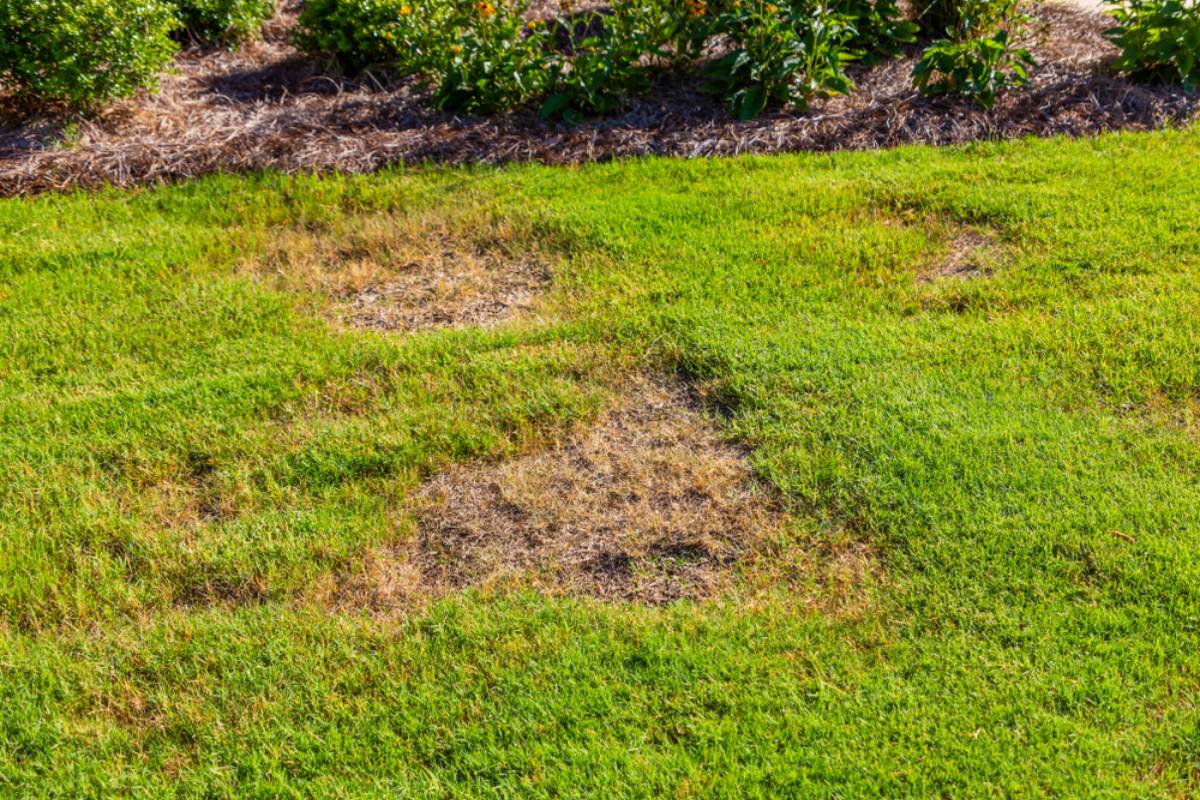
Homeowner Spots Huge Dead Patches Spreading Across His Once-Green Lawn and Suspects Hungry Grubs, But the Real Mystery Begins Beneath the Grass
A person shared his story after noticing large dead patches appearing across his lawn, turning what should have been a lush green space into a frustrating patchwork of brown grass. The damage was difficult to ignore, especially when the surrounding lawn made the dead areas stand out even more. For someone who wants a healthy, attractive yard, watching the grass deteriorate can feel like losing a battle against an invisible enemy. And when the culprit might be hiding beneath the soil, even an ordinary afternoon of lawn care can turn into a detective mission.
The First Suspect Was Hiding Underground
When mysterious brown patches appear, lawn grubs are among the first suspects many gardeners consider. These beetle larvae live in the soil and feed on grass roots, potentially leaving sections of turf weak, discolored, and unable to absorb water properly. The frustrating part is that the damage can become obvious before the gardener ever sees the insects responsible. One day, the lawn looks a little tired, and the next, it seems as though somebody has switched off the green.
Why Grubs Can Cause So Much Trouble
Grubs may be small, but a large enough population can cause considerable trouble for a lawn. As they feed on roots, grass loses the underground support it needs to take up water and nutrients, making the affected turf increasingly vulnerable. In severe cases, damaged grass can lift from the soil surprisingly easily, almost like a loose carpet. That is when a seemingly minor brown patch can become a much bigger headache for a homeowner.
Brown Grass Does Not Always Mean Bugs
Before declaring war on every creepy-crawly beneath the lawn, gardeners need to remember that brown grass has several possible causes. Heat stress, drought, fungal diseases, compacted soil, and uneven irrigation can all produce patches that resemble grub damage. Even a lawn that receives regular watering can struggle if the soil drains poorly or the grass roots are already compromised. The challenge is figuring out whether insects are genuinely responsible or whether the lawn is suffering from an entirely different problem.
The Investigation Begins With a Closer Look
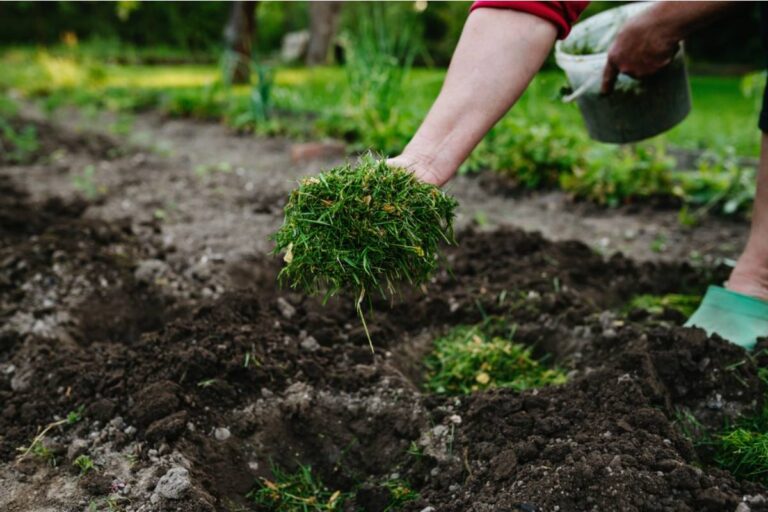
The smartest next step is to examine the boundary between healthy grass and the damaged area. Carefully lifting a small section of turf and inspecting the soil can reveal whether white, C-shaped grubs are feeding around the roots. Gardeners should also check how firmly the grass remains attached, since severely damaged roots can make the turf easier to pull away. This simple investigation can provide more useful clues than guessing from the color of the grass alone.
The Lawn Might Be Sending Mixed Signals
One of the trickiest parts of diagnosing lawn damage is that different problems can happen at the same time. Grass weakened by dry weather may become more susceptible to other stresses, while root-feeding insects can make the effects of inadequate watering much worse. A gardener might notice brown patches and immediately blame grubs, even though the actual explanation is more complicated. Sometimes the lawn is not presenting one mystery but several problems wearing the same brown disguise.
Wildlife Can Make the Damage Look Even Worse
There is another twist that homeowners sometimes overlook: animals may be responsible for much of the visible destruction. Skunks, raccoons, and other wildlife can dig through turf while searching for grubs and other soil-dwelling creatures. Their digging can tear up otherwise salvageable grass, leaving ragged patches that look as though an insect invasion has completely devastated the yard. In that situation, the insects might be part of the story, but the animals are the ones turning the lawn into a construction site.
Why Guessing Can Waste Time and Money
Reaching for grub-control products before confirming the problem may seem like the fastest solution, but it can create unnecessary expense. If drought, disease, or another issue is causing the damage, treating for grubs will not address the underlying cause. Gardeners should first inspect the soil, assess watering conditions, and look for other signs of trouble. A little investigation now can prevent an expensive cycle of treatments that leave the lawn looking just as unhappy as before.
A Simple Test Can Help Reveal Hidden Pests
Some gardeners use a soapy-water test to encourage certain surface-active lawn insects to emerge, although the method’s effectiveness depends on the pest involved and the conditions. Another useful approach is to carefully inspect a small section of turf near the damaged area and count any grubs found. Finding an occasional grub does not automatically mean the lawn has a damaging infestation, because some larvae can be present without causing significant harm. The important question is whether enough root-feeding insects are present to explain the extent of the damage.
The Number of Grubs Matters More Than Their Reputation
Discovering a grub beneath the grass can make any gardener suspicious, but its presence alone is not proof that it caused the dead patches. Different species, grass types, seasons, and local conditions influence how much damage an infestation can produce. Extension guidance commonly recommends examining a measured section of turf and considering the number of grubs found before deciding whether treatment is necessary. In other words, a few suspicious-looking guests do not automatically justify declaring a full-scale garden emergency.
Repairing the Lawn Takes More Than Killing Pests
Even when grubs are confirmed, eliminating them is only one part of restoring the lawn. Grass with badly damaged roots may need time, suitable watering, and favorable growing conditions before it can recover. Areas where the turf has died completely may require reseeding or replacing the damaged grass once the underlying problem has been addressed. Otherwise, homeowners risk treating the original issue only to discover that their lawn still has large, disappointing bald spots.
Timing Can Make a Difference
Lawn treatments work best when they match the pest’s life cycle and the conditions in which it is active. Preventive products and treatments intended for existing infestations may have different application windows, so gardeners should follow local extension recommendations and the product label. Applying the wrong treatment at the wrong time can deliver disappointing results, even when grubs really are present. A little seasonal planning can make the difference between a thoughtful lawn-recovery strategy and another frustrating trip to the garden center.
The Real Twist Is That the Grubs May Not Be Guilty
The biggest lesson from mysterious dead patches is that the most obvious suspect is not always the culprit. Grubs can damage grass roots, but drought, disease, soil conditions, and wildlife can produce remarkably similar symptoms. Without inspecting the lawn, it is impossible to confidently identify the cause from brown patches alone. The homeowner’s problem therefore becomes a reminder that successful gardening often starts with asking the right questions rather than immediately reaching for a chemical solution.
A Brown Lawn Can Still Make a Comeback
Large dead patches can make an otherwise healthy yard look beyond saving, but a damaged lawn does not automatically need to be replaced from scratch. Identifying the cause, correcting watering or soil problems, and treating confirmed pests when appropriate can give surviving grass a better chance to recover. Once the conditions are right, reseeding or repairing completely bare sections can help restore a more uniform appearance. The real victory is not simply making the lawn green again, but understanding what went wrong so the same mystery does not return next season.