Homeowner Turned Her Suburban Lawn Into a Native Garden, Then Her HOA Changed the Rules After the Plants Were Already Blooming
A person shared a story about a homeowner in Plymouth, Minnesota, who decided her ordinary suburban lawn could become something much more alive. Instead of keeping a traditional stretch of grass, she filled the yard with native plants and created a natural landscape designed to support local wildlife. At the time she planted everything, there was no HOA rule specifically banning the kind of garden she had created.
What started as a gardening project slowly turned into a neighborhood battle with an unexpected legal twist. The homeowner believed she was simply tending her own property, but the situation became increasingly complicated as neighbors and the HOA began treating the garden as a problem. Before long, something that began with seeds and native plants had grown into a dispute involving new rules, fines, and a lawsuit.
The Lawn That Was Never Meant to Stay Ordinary
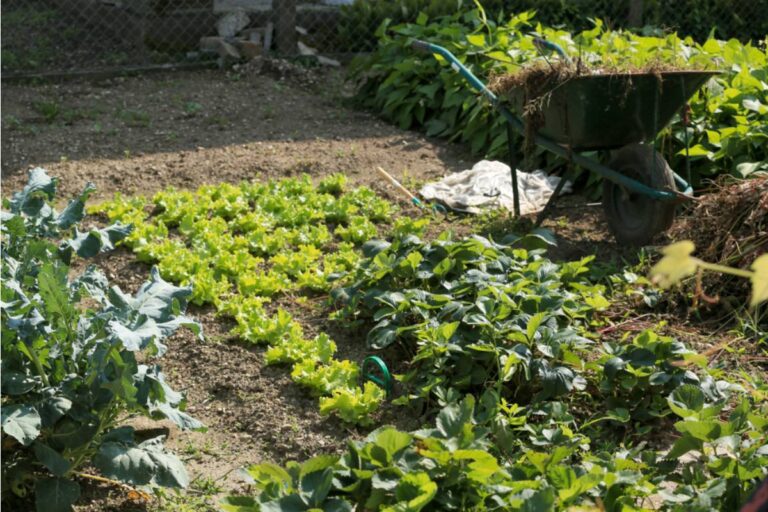
The homeowner apparently had a different vision for her property than the perfectly clipped lawns found throughout many suburban neighborhoods. Rather than spending her time keeping every blade of grass short, she chose plants that could thrive naturally and give the yard a more diverse appearance. The result was a garden landscape that looked very different from the standard lawns surrounding it.
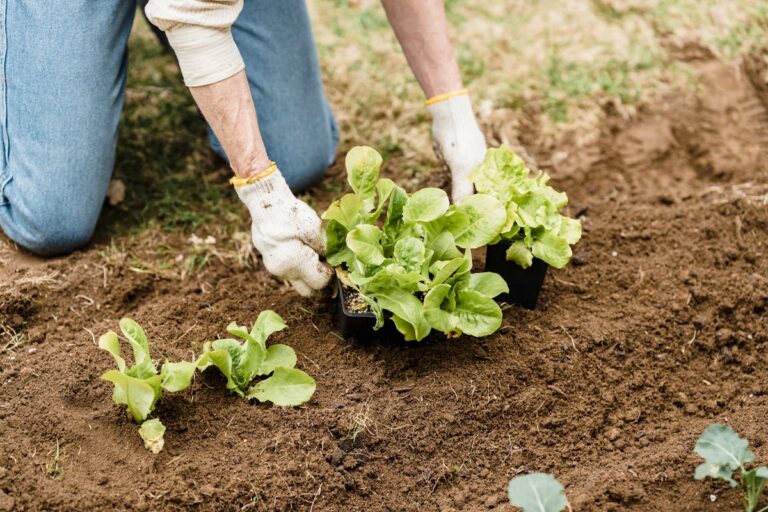
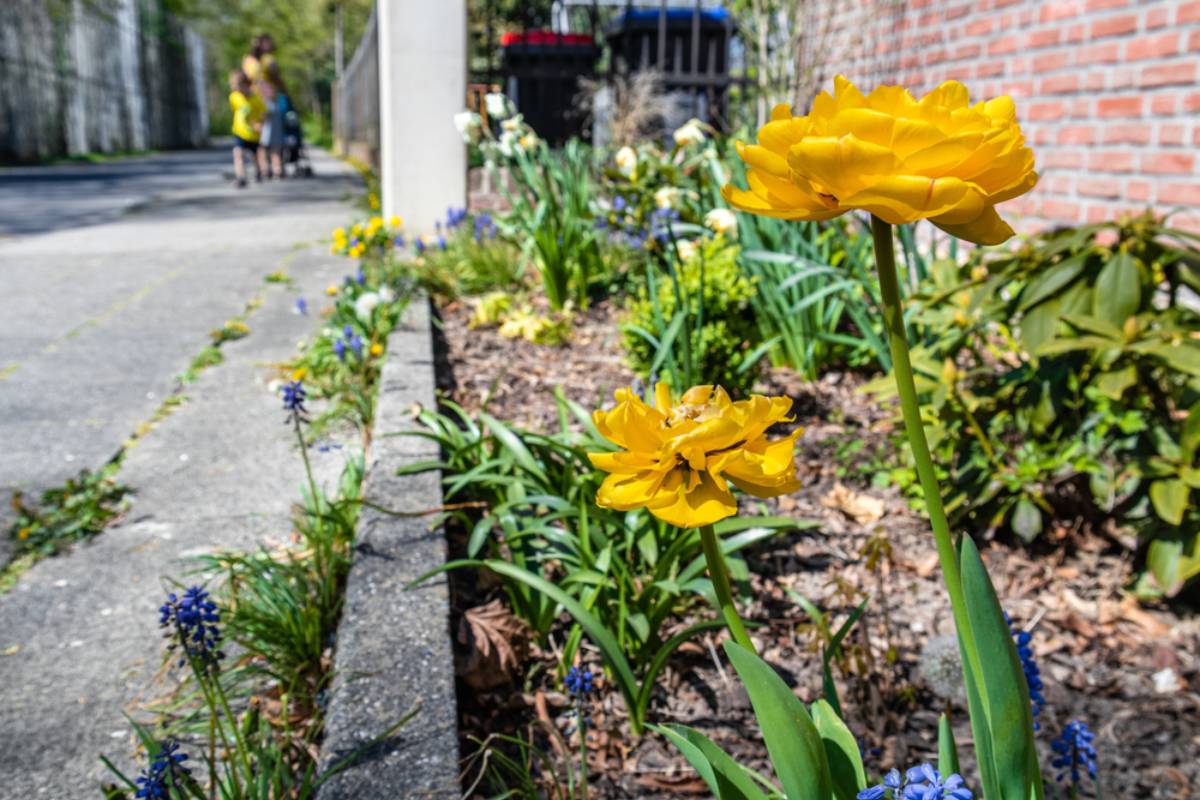
For the homeowner, the transformation was about more than avoiding the weekly mowing routine. Native plants can bring flowers, insects, birds, and other small signs of life into spaces that might otherwise be dominated by grass. What seemed like an unusual front-yard choice to some people was, to her, the beginning of a carefully planned garden.
Everything Was Fine When the First Plants Went In
The most important detail came from the timing of the project. When the homeowner planted her native landscape, the HOA did not have a rule specifically prohibiting that type of yard. She was not secretly breaking a clearly established landscaping requirement and hoping nobody noticed.
That fact became increasingly important as the dispute developed. The homeowner had created the garden under the rules that existed at the time, believing she had every reason to expect that the landscape could remain in place. Then the neighborhood situation began changing around her, and the once-simple gardening project suddenly had a much larger problem attached to it.
Then People Started Crossing the Garden
According to the story, the trouble did not begin with a dramatic board meeting or an official warning. Instead, strange things started happening around the garden, including people driving across the homeowner’s lawn. A garden that had been planted intentionally was suddenly being treated as though it were simply empty space that others could cross.
That kind of intrusion can be especially frustrating for someone who has spent time planning a landscape bed by bed. Native gardens often rely on plants being allowed to grow in particular areas, and a vehicle rolling across those spaces can quickly turn careful planting into a trail of crushed stems and disturbed soil. The homeowner’s landscaping problem was becoming a neighborhood conflict.
Someone Else Decided It Needed Mowing
Then came another surprising development. People reportedly began mowing the lawn without the homeowner’s permission, cutting down plants she had deliberately chosen and planted. Instead of discussing the garden first, someone was apparently treating the vegetation as unwanted growth that needed to be removed.
For a gardener, there is a big difference between an unruly patch of weeds and a landscape that has been intentionally designed to look natural. A garden can appear chaotic to someone expecting a traditional lawn while still being carefully planned. Every unexpected mowing session therefore carried the potential to undo weeks or months of gardening work.
The HOA Enters the Story
The conflict took a more serious turn when the HOA became involved. Rather than remaining a disagreement over landscaping preferences, the issue moved into the world of formal neighborhood rules. The homeowner was now dealing with an organization that had the power to create and enforce requirements affecting properties inside the community.
At first glance, that might sound like a routine HOA disagreement. But the details made this case more unusual because the homeowner’s garden had existed before the new restriction became part of the neighborhood rules. The question was no longer simply whether the HOA liked the garden, but what could happen when rules changed after a garden was already established.
An Old Rule Suddenly Returns
The HOA reportedly adopted a rule based on an old and defunct city law concerning lawns. That made the situation even stranger because the regulation being used against the homeowner was no longer an active city rule. Somehow, a rule from the past had found a second life inside the neighborhood’s landscaping dispute.
For the homeowner, this was not merely an abstract disagreement over wording. The new rule threatened a garden that was already planted and growing on her property. What had once been permitted was now being questioned, and the timing made the fight much more personal.
The Native Garden Became the Main Attraction
As word of the dispute spread, the garden itself became almost a character in the story. Some people considered the native landscape beautiful and well maintained, while others argued that beauty depends on who is looking at it. A response from a person pointed out that different residents might have very different ideas about what a beautiful yard should look like.
That disagreement captured the heart of the gardening conflict. One homeowner saw flowers, native plants, and a carefully maintained natural landscape, while others saw a yard that did not fit their preferred suburban appearance. Once those two definitions of a proper lawn collided, finding common ground became much harder.
The Bigger Question Was About Ownership
Another response from a person argued that living in an HOA community means accepting rules that can change over time. From that perspective, the homeowner had agreed to live under community regulations and would therefore need to deal with whatever landscaping standards existed.
But the homeowner’s side of the story raised a different question. If someone follows the rules when planting a garden, what happens when the rules are later changed to target the exact type of landscaping they already created? That question moved the dispute beyond whether someone liked native plants and into a much larger argument about changing rules and existing property choices.
The Garden Was Not Sitting There by Accident
One thing that made the disagreement particularly striking was how easy it was for outsiders to misunderstand a natural landscape. A conventional lawn makes its maintenance obvious because everything is clipped to roughly the same height. A native garden works differently, with different plants growing to different sizes, flowering at different times, and creating a deliberately less uniform appearance.
One person responded by describing how a yard can be both pollinator friendly and attractive while still being carefully maintained. They described lawns in some areas, flower beds in others, shade-loving plants beneath large trees, raised garden beds, and spaces designed to attract bees and butterflies. The point was simple: a natural garden does not automatically mean a neglected garden.
The Dispute Finally Reached Court
Eventually, the homeowner took the fight further and sued in an effort to invalidate the new HOA rule. That transformed a neighborhood landscaping dispute into a legal battle over how the rule should apply to her property. The garden that had started as a personal project was now sitting at the center of a courtroom argument.
The situation became even more tense because the HOA responded by issuing the homeowner a $250 fine. From the homeowner’s perspective, the timing of that penalty added another layer to an already escalating disagreement. Suddenly, the flowers, grasses, and native plants were attached to a legal fight that was becoming much more expensive than the original gardening project.
A $250 Fine Changes the Mood
A fine can change the atmosphere of a dispute almost instantly. Before the penalty, the conflict could still be framed as a disagreement about landscaping standards and neighborhood aesthetics. Once money entered the picture, the homeowner had another concrete reason to challenge what she believed was happening.
The fine also added a dramatic twist to the story because the garden had not appeared overnight. It had been created under the rules that existed when the homeowner planted it, and now a later rule was being used to challenge its existence. What looked like a simple fight over flowers had become a question about what happens when the rules move after the garden has already grown.
Neighbors Could Not Agree on What a Garden Should Be
As the dispute continued, people seemed to divide around one deceptively simple question: what should a suburban yard look like? For some, the answer was a neat lawn with clearly defined planting beds and an unmistakably maintained appearance. For others, a healthy garden could be filled with native plants, pollinators, and natural growth without resembling a golf course.
That difference in expectations can be surprisingly powerful. A yard that looks wonderfully alive to one person can look untidy to another, even when the owner has spent enormous effort maintaining it. In this case, those competing visions were no longer just a matter of taste because they were tangled up with neighborhood rules.
The Garden Became Bigger Than Gardening
What began with planting native species eventually became a story about rules, property, neighbors, and who gets to decide what belongs in a yard. The homeowner was no longer simply choosing plants for herself. Every flower, grass, and planting bed had become part of a much larger dispute over what the neighborhood was allowed to require.
That is what made the story so unusual. The garden itself was never just a collection of plants, because it represented a choice about how a homeowner wanted to use her land. Once the HOA changed its approach, that choice became the center of a conflict that neither side seemed willing to simply let grow away.
And the Biggest Twist Was the Timing
Perhaps the most important twist was hiding in plain sight from the beginning. The homeowner had planted her native garden before the HOA adopted the newer restriction that became the focus of the dispute. The plants were already there, already growing, and already part of the property before the neighborhood rules changed.
That timing is what gave the entire story its unusual shape. A homeowner did not simply decide one morning to ignore a rule and replace her lawn with a wild garden, because the rules at the time reportedly allowed what she planted. The fight that followed was about what should happen afterward, and whether a later rule could be used to force a change to a garden that had originally been created within the rules.
From Garden Beds to a Legal Showdown
By the end of the story, the homeowner’s yard had become far more famous than she probably expected when she first started planting. What began as an effort to create a more natural landscape had brought in neighbors, HOA officials, competing opinions about beauty, a financial penalty, and a lawsuit. The garden had effectively gone from quiet backyard project to full-blown neighborhood drama.
And there was an irony at the center of it all. The plants were supposed to make the property more connected to nature, yet the garden ended up creating one of the most complicated human conflicts on the block. Instead of weeds taking over the yard, the unexpected thing that grew there was a legal battle.