Wooded Corners of a Yard Can Keep a 6- to 12-Inch Layer of Leaves, Penn State Extension Says, While Mulch Around Trees Should Stop at 4 Inches
Annette MaCoy, the Penn State Extension Master Gardener coordinator for Franklin County, has a plain answer for homeowners facing a yard full of fallen leaves: not every leaf needs to go. In a report from the Meadville Tribune on Nov. 3, 2026, she said leaves can stay in wooded corners, where a natural layer of 6 to 12 inches shelters wildlife, and that leaf mulch around trees and shrubs can go on up to 4 inches deep.
The numbers matter because the right depth depends on where the leaves land: in the woods, on the lawn, or in a bed.
The 6- to 12-Inch Layer in a Wooded Corner
MaCoy said leaves that fall beneath a tree canopy are part of natural nutrient recycling, with tiny soil organisms breaking them down over time. In a wooded area of a property, the leaves can simply be left in place.
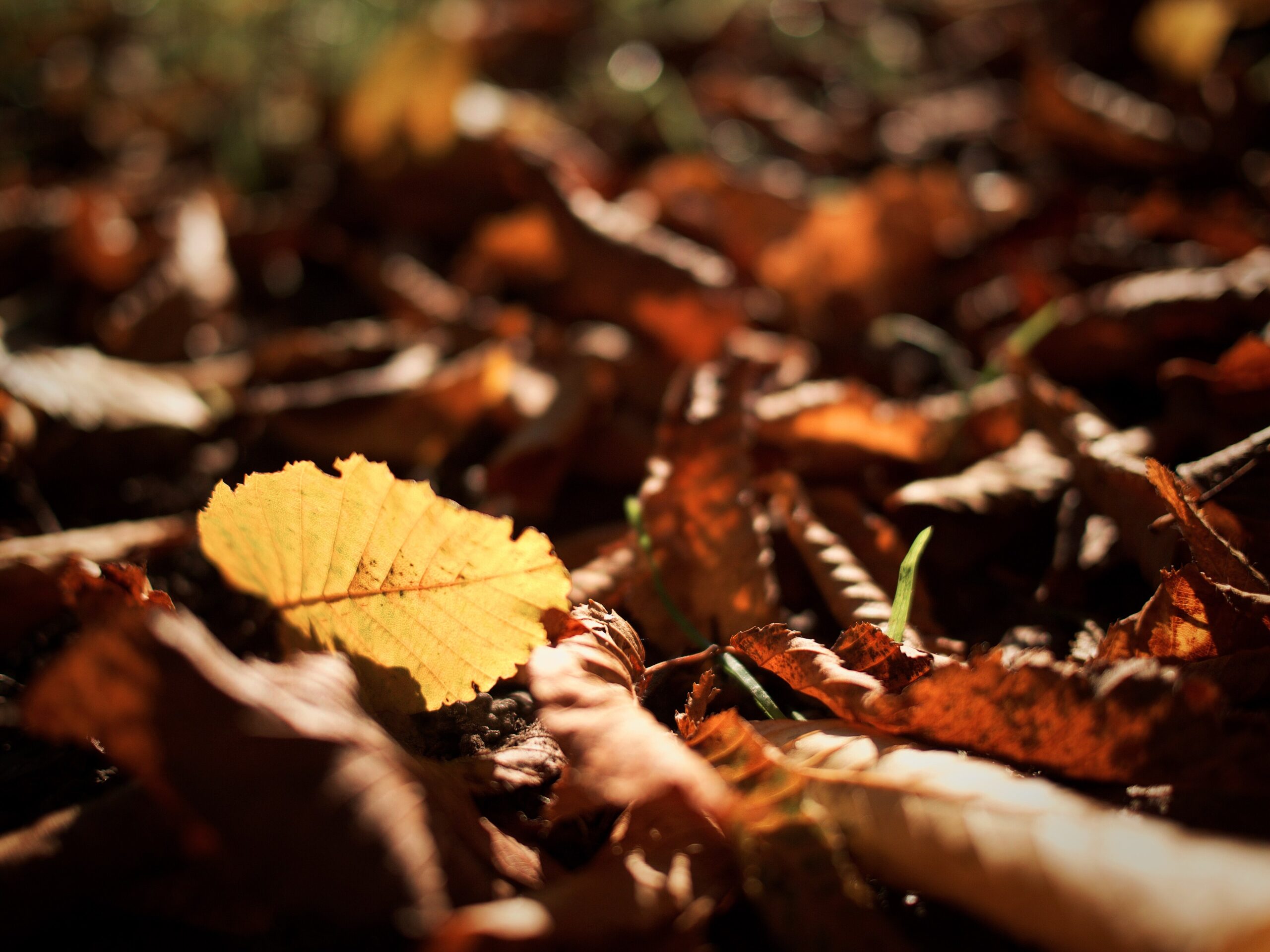
The depth is the key detail. According to the Meadville Tribune, MaCoy said the creatures that live in leaf litter need a layer about 6 to 12 inches deep, and piling a large heap of extra leaves on top of the natural layer can make it too thick for them to survive. Penn State Extension’s own article, Leaves Are Treasure, Not Trash, written by MaCoy, makes the same point. It says not to add leaves to an existing wooded leaf layer, which provides shelter and food for firefly larvae, overwintering insects, reptiles, amphibians, birds and small mammals.
For a yard, that means a wooded corner or a stretch under mature trees can be left alone, and extra leaves from the lawn belong somewhere else.
Mulch Around Trees and Shrubs Stops at 4 Inches
Where leaves are wanted, they work as free mulch. MaCoy told the Tribune that whole or shredded leaves can be used as mulch around trees and shrubs up to 4 inches deep, and in flower beds to protect soil and overwintering perennials. Penn State’s article recommends shredded leaves 2 to 4 inches deep around trees, shrubs or perennial beds, and says the mulch moderates soil temperature, retains moisture and suppresses weeds.
Other extension services land in the same range. The University of Delaware’s leaf-recycling factsheet recommends 3 to 4 inches of leaf litter mulch around shrubs and trees and 2 to 3 inches over perennial beds. University of Georgia Extension in Madison County suggests a 3- to 5-inch layer of shredded leaves around trees, shrubs and flowers, and notes that whole leaves tend to blow away.
The Georgia post lists other benefits: leaves insulate roots from cold, help new trees and shrubs handle winter, and cut how much store-bought mulch a bed needs. Where leaves are removed from a bed, it advises replacing them with another mulch to protect the roots.
Depth is only half the rule. Iowa State University Extension’s yard and garden FAQ on mulch depth says wood chips and shredded bark belong about 3 to 4 inches deep on well-drained sites and 2 to 3 inches on heavy soils, kept at least 6 inches from tree trunks. Mulch mounded against a trunk can encourage fungal cankers, root rots and rodents, and mulch that is too deep can waterlog heavy soil.
MaCoy’s tips for the mulch itself: coarser pieces are better for soil and plants, and pieces of varied size avoid packing into a layer that blocks water and air. She said to water the mulch after spreading it. The site has also covered how mower-shredded leaves make free winter mulch for garden beds.
How Many Leaves the Lawn Can Take Before Raking
On turf, the safe depth is far thinner. Penn State’s article says a layer of shredded leaves up to about half an inch deep is beneficial to the lawn, and notes that Michigan State University research found no harm from mulching oak or maple leaves into turf. Grass and soil quality improved, broadleaf weeds decreased, and soil pH was unaffected.
MaCoy recommends shredding fallen leaves with a mulching mower or a regular lawn mower. Penn State advises mowing slowly while leaves are fairly dry and making a second pass crosswise for finer shreds. The University of Delaware factsheet draws the line at one inch: leaves under an inch can be mowed where they lie after drying, while deeper layers should be shredded or recycled another way. It adds that leaves somewhat damp may need a second pass with the mower at a right angle to the first.
MaCoy says leaves thick enough that the turfgrass or groundcover shows no green underneath need to come off the lawn, either shredded for mulch or stockpiled. She rakes when the layer gets thick, and mows the rest into the soil. Her list of common mistakes includes raking up every leaf that falls and waiting until all the leaves are down, which turns cleanup into an unpleasant chore.
Leaf Mold and Vegetable Beds for the Extra Leaves
Leaves moved out of a wooded corner or off the lawn have other uses. MaCoy said leaves can be worked into vegetable gardens at season’s end to decompose and add organic matter, and that a leaf pile left alone becomes leaf mold, which the Tribune describes as as good as any compost and needing little work beyond building the pile.
Penn State describes leaf mold as dark brown, earthy-smelling and crumbly, low in nutrients but good for soil structure and water retention. A bin 3 to 6 feet across and at least 3 feet tall is suggested but optional, and shredding, turning, watering or covering the pile can cut decomposition from years to 6 to 12 months. The Delaware factsheet agrees that shredded leaves make a fabulously rich compost, and says to turn the pile often for the fastest results.
Get stories like this by email. Sign up for The Parent Diaries Letter.
This article was produced with AI assistance and edited for accuracy against the sources linked above.
Image: Sérgio Rola – CC0/Wikimedia Commons