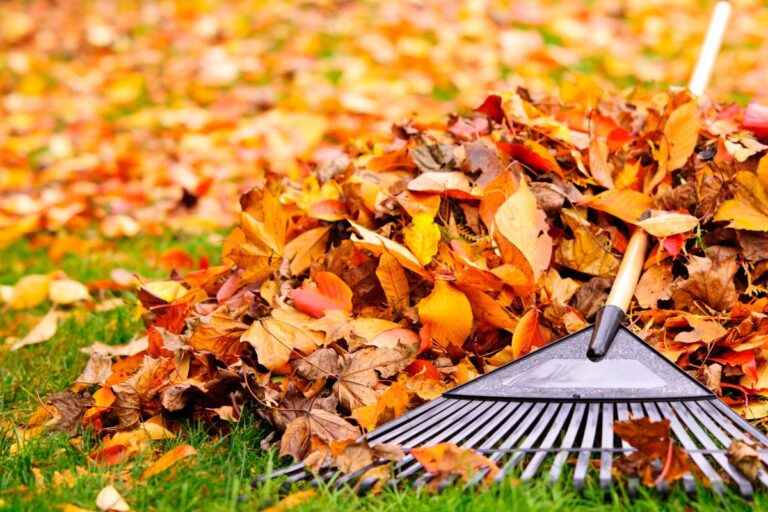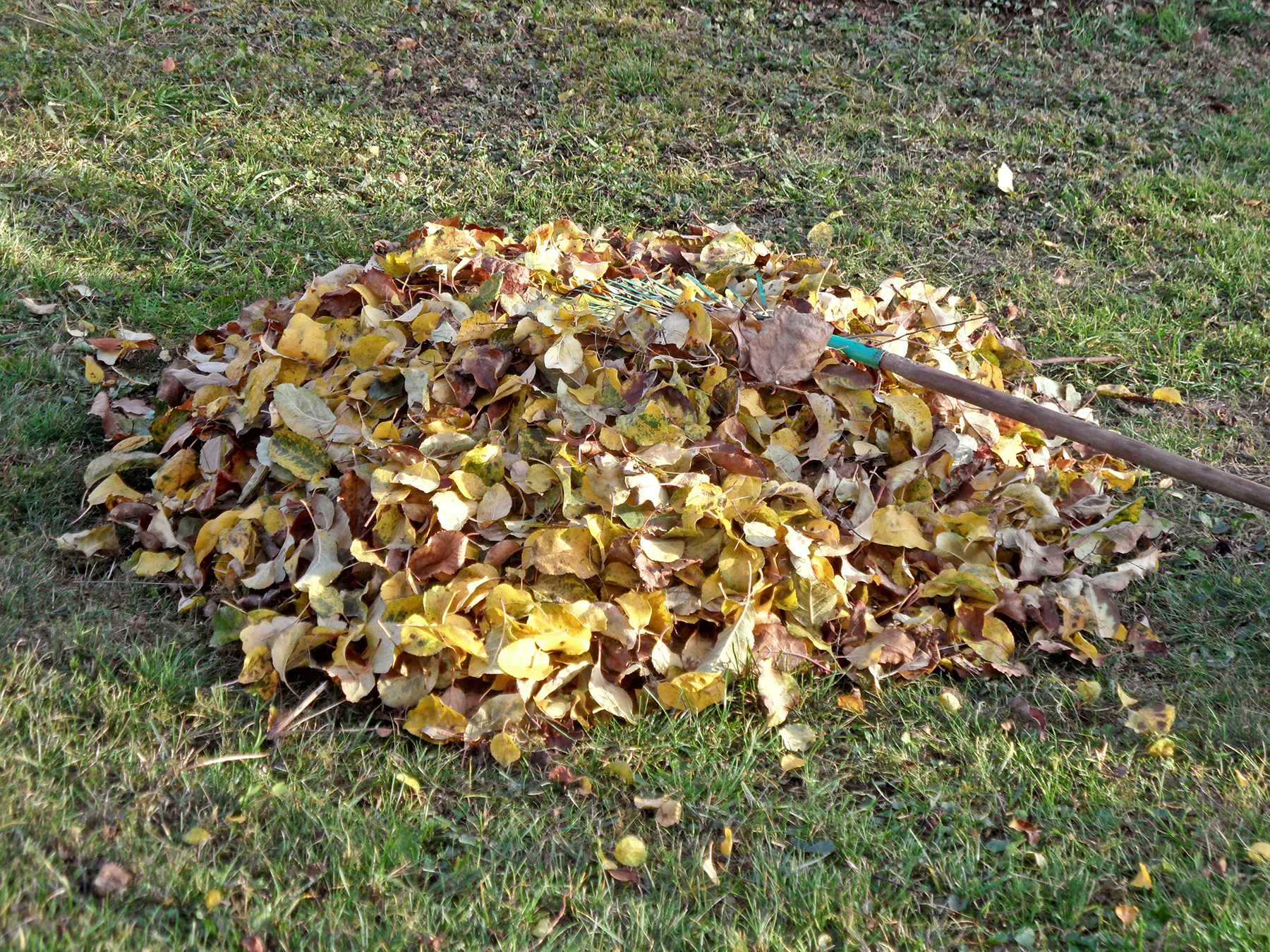
Fall Leaves Shredded With a Mower and Spread 3 to 4 Inches Deep Make Free Winter Mulch for Garden Beds
Free mulch falls from the trees every autumn, and a pass with the lawn mower turns it into a winter blanket for garden beds. Dawn Pettinelli, who manages activities at the University of Connecticut’s Home & Garden Education Center, writes in an Ask UConn Extension column that once beds are cleaned and any amendments are added, gardeners can spread 3 to 4 inches of shredded leaves on top.
She calls leaves an excellent source of organic matter that costs nothing. Other extension services agree on the method and differ a little on the depth, which is why the details are worth sorting out before the first rake comes out.
Shredding Leaves With the Mower
Pettinelli says collecting fallen leaves with a lawn mower partially shreds them as it goes. Annette MaCoy, a Penn State Master Gardener in Franklin County, gives the fuller instructions in a Penn State Extension article. A mulching mower works better than a regular one, she writes, and going over the leaves in a cross direction makes finer pieces. She advises mowing when leaves are fairly dry and not piled thickly.
The University of Delaware’s Rebecca Pineo and Susan Barton describe other routes in their Recycling Leaves fact sheet. A mower with a bag attachment works, or leaves can be raked into a pile and mown over several times, emptying the bag often. A vacuum shredder works only on dry leaves, and a string trimmer run inside a sturdy garbage can of dry leaves also does the job. For a layer under one inch, they say, mowing the leaves in place is enough.
Shredding matters for more than speed. Tyler Schuster, a contributing writer at Gardening Know How, writes that whole leaves mat down and shed water, so leaves should be shredded before mulching, ideally by mowing dry leaves on the mower’s highest setting once or twice. Ken Johnson, a horticulture educator with Illinois Extension, adds that shredded leaves are used in vegetable gardens, flower beds and around trees and shrubs, because shredding keeps them from matting and blocking moisture.
How Deep to Spread Shredded Leaves in Garden Beds
The depth recommendations cluster between 2 and 4 inches. Pettinelli says 3 to 4 inches over cleaned garden beds. Pineo and Barton say 3 to 4 inches of shredded leaves around shrubs or trees and 2 to 3 inches over perennial beds. MaCoy puts shredded leaves 2 to 4 inches thick around trees, shrubs and perennial beds, and suggests watering after application to help keep them in place.
Schuster suggests shredded leaves 2 to 4 inches deep around trees, shrubs and perennials, watered in afterward, and he advises keeping thick layers of leaves away from grass. Johnson lists what the mulch does for the bed: it conserves moisture, moderates soil temperature, prevents crusting and erosion, controls weeds and adds nutrients.
Lawns are a separate case. MaCoy says a layer of shredded leaves up to about one-half inch deep benefits turf, and Johnson says leaves covering 10 to 20 percent of a lawn can be left in place, with dry leaves mown into small pieces that settle between grass blades. A thick layer can smother turf. Beds near woods need care too, and MaCoy warns against adding leaves on top of the natural layer in wooded areas, which is typically 6 to 12 inches deep and provides habitat for insects, amphibians and other wildlife.
The site’s earlier piece on cutting chrysanthemums back and blanketing beds in leaves shows one use of that blanket, and its roundup of clever ways to use leaves covers others.
What Shredded Leaves Give Back to the Soil
Johnson notes that leaves have a high carbon-to-nitrogen ratio, and that applying a small amount of fertilizer after working them into the soil can speed decomposition.
Finished leaf mold works more as a soil conditioner than a fertilizer. Schuster says it improves structure and water retention, though it offers little in the way of nutrients.
Leaves can also feed the compost pile. Pettinelli says leaves go into a compost pile along with spent garden plants and many weeds, while diseased plants and weeds stay out of it. MaCoy describes leaves as a brown material to layer with green material, Schuster suggests about two parts leaves to one part grass clippings, and MaCoy says extra leaves can be stored in a separate pile to use in the bin in spring and summer.
Vegetable beds can take a heavier dose. Johnson says leaves worked into the soil in fall add organic matter, which helps drainage and aeration in clay soils and water and nutrient retention in sandy soils. Pineo and Barton note that a temperate forest acre receives over 2 tons of leaves each autumn, which gives a sense of how much material the trees hand over without anyone asking.
Whatever is left becomes leaf mold. MaCoy says leaf mold from piled leaves is weed-free and improves soil structure and water retention. Decomposition can take a couple of years, but shredding, turning, watering or covering a pile can shorten the wait to six to twelve months, and a bin at least 3 feet tall and 3 to 6 feet across helps.
Leaves can also insulate plants. Johnson says shredded leaves can be placed around the crowns of marginally hardy plants, or inside wire frames around them, once temperatures are consistently below freezing.
Get stories like this by email. Sign up for The Parent Diaries Letter.
This article was produced with AI assistance and edited for accuracy against the sources linked above.
Image: onnola from Berlin / Koblenz (Germany) – CC BY-SA 2.0/Wikimedia Commons