Leaves and Yard Waste Can’t Go Out With the Trash in Massachusetts, Where MassDEP Keeps Them on Its List of Materials Banned From Disposal
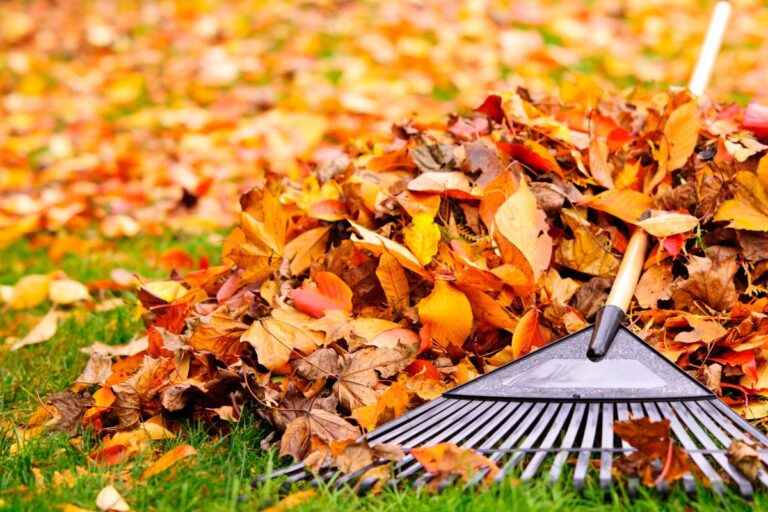
A paper bag of raked maple leaves is fine at the curb on a town’s collection day in Massachusetts, but the same leaves in the household trash are another matter. MassDEP’s page on waste disposal bans lists “leaves and yard waste” among the materials that cannot go to disposal, according to the agency’s list of banned materials.
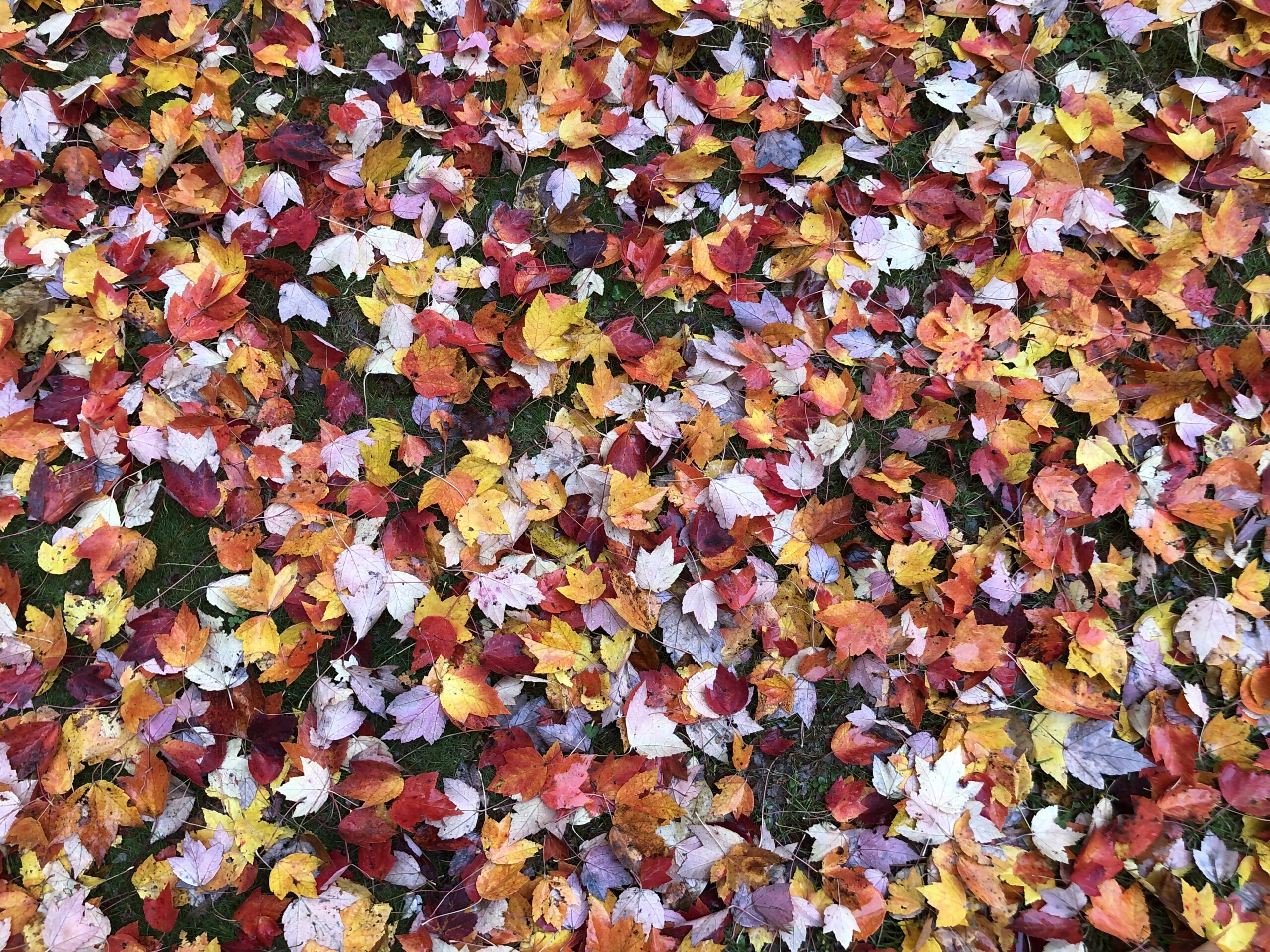
Fall is when the rule matters most, with yards covered in leaves. Most of the practical work for homeowners comes down to mowing, composting and checking what the town offers.
Where the Leaf Ban Comes From
MassDEP says it introduced its first waste bans in 1990, covering easy-to-recycle and toxic materials, and phased in others later. The ban sits in Section 19.017 of the Solid Waste Management Facility Regulations, 310 CMR 19.000, the agency’s page says.
The department’s leaf and yard waste composting guidance gives the dates: disposal of leaves in landfills and incinerators was banned as of Dec. 31, 1991, and the ban on other yard waste followed on Dec. 31, 1992.
The rule is aimed at the facilities that take waste. A UMass Extension fact sheet by Geoffrey Njue says landfills, transfer stations and combustion facilities may not accept yard waste unless it goes to recycling or composting. The one exception is contaminated material, with prior DEP notice and approval.
What Counts as Yard Waste
The UMass fact sheet lists leaves, grass, non-woody garden waste and brush as yard waste, with brush meaning sticks, twigs and branches under 4 inches in diameter. Sod, soil, sand, gravel and rocks are not on the list.
Towns turn the state rule into household rules. The Franklin County Solid Waste Management District says on its leaves and yard waste page that leaves and yard waste are banned from trash in Massachusetts, and it asks residents to compost them if possible. Residents of Buckland, Deerfield, Erving and Orange can take them to their town’s transfer station, and in Montague only leaves are accepted there. Shelburne picks leaves up curbside twice a year.
Mowing Leaves Into the Lawn
The simplest way to keep leaves out of the trash is to leave them on the grass in small pieces. UMass Extension says to mow dry leaves with a mulching mower, making 3 to 4 passes with sharp blades, and to mow before leaves have sat on the turf for more than 3 to 4 days. The fact sheet says the leaves should settle into the lawn within 1 to 2 days.
UMass also says research showed some dandelion reduction from leaf mulching, but only before the weeds emerged and only in the first year. Grass clippings can go back on the lawn the same way, the fact sheet says, if the lawn is mowed dry and often enough to avoid clumps.
Building a Leaf Pile That Becomes Compost
For leaves that do not fit on the lawn, MassDEP’s guidance and the state’s home composting guide point to a backyard pile. According to the state’s home composting tips, leaves are a carbon-rich “brown” material that takes 6 to 15 months to break down alone. The guide says to dampen leaves before adding them, since dry leaves will not decompose, and notes that shredding or mowing them speeds things up.
The guide recommends about 3 parts brown material to 1 part green and says that ratio yields finished compost in 3 to 8 months. A pile roughly 3 feet square and 3 feet high holds heat well through winter. Extra bags of leaves can be saved for spring and summer, when brown materials run low.
The same guide says to mix a half inch to 3 inches of finished compost into the top 4 inches of soil about a month before planting, or to spread about a quarter inch over a lawn. UMass Extension recommends a 1 to 2 inch layer on beds and a 1 to 3 inch layer as mulch around trees and shrubs.
MassDEP’s guidance gives a sense of how much material is at stake. It says Massachusetts communities that collect leaves for composting typically see 2% to 5% of their residential waste stream arrive as leaves, and that finished compost is roughly 25% to 30% of the original leaf volume.
Burning and Dumping Are Not the Alternative
Pushing leaves into the woods or setting them alight is not allowed either. WBSM reported on Sept. 23 that the Commonwealth considers dumping leaves in the woods illegal, and that dumping on public streets, near wetlands, into storm drains or into water bodies is barred under the Wetlands Protection Act and local ordinances. It also reported that open burning of leaves, grass, hay and stumps is strictly prohibited.
For leaves a town does not collect, WBSM listed the same short set of options: compost them, mulch them into the lawn with a mower, use a town drop-off area where one exists, or hire a landscaper to haul them away. New Bedford and Fall River offer curbside pickup in biodegradable paper bags, which the station said are sold at BJ’s, Home Depot and Lowe’s.
Get stories like this by email. Sign up for The Parent Diaries Letter.
This article was produced with AI assistance and edited for accuracy against the sources linked above.
Image: Famartin – CC BY-SA 4.0/Wikimedia Commons