After a Homeowner Pulled Out 60 Feet of Overgrown Hedges, the Neighbor Demanded a Privacy Fence Right Away, Then Aimed Her Downspouts at the Garage
The hedges came out first, all 60 feet of them. The homeowner, a woman in her 30s who lives alone in an old neighborhood where the houses sit almost on top of each other, cleared the overgrown row along her driveway, all of it on her own land. She expected a cleaner driveway. What she got, by her account, was a neighbor who wanted a privacy fence built immediately and a garage that now floods.
Her story, which TwistedSifter wrote up on Nov. 10, is about what happens when a hedge that two houses quietly relied on disappears.
The Fence She Couldn’t Build Fast Enough
The hedges had been a screen between her home and the house next door, where a woman in her 70s lives. Once they were gone, the neighbor wanted a privacy fence, and wanted it quickly. The homeowner says she could not do that on the neighbor’s timeline.
That, she says, is when the harassment began. She describes “neighborhood slander,” confrontations in person and online, and an incident recent enough and frightening enough that she thought she was having a stroke.
Water at the Property Line
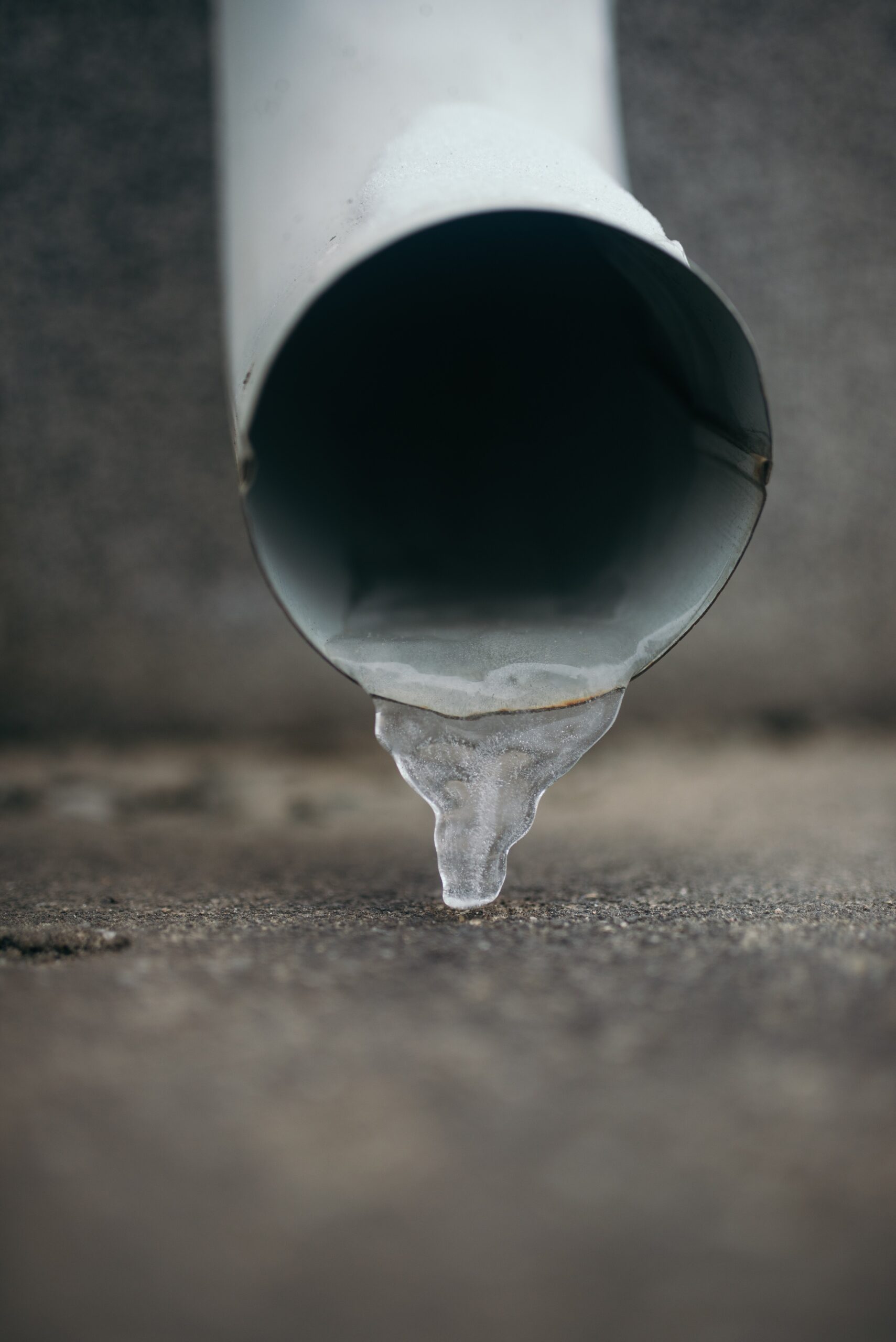
Then came the downspouts. The neighbor installed raised downspout extensions that dump her roof runoff right at the property line. From there, the homeowner says, the water runs down her driveway and into her garage.
Belongings stored in the garage have been ruined by mold. She says the garage floods even on days when it has not rained.
Moving roof water away from a house is normally good practice. Programs like the EPA’s Soak Up the Rain push homeowners to disconnect downspouts and send runoff into rain barrels, rain gardens or other spots where it can soak into the ground. The goal is to keep water on the owner’s own land and out of the storm sewer, not to push it next door. The University of Minnesota Extension notes that roofs are a major source of runoff and that even a rain garden built to catch it should sit at least 10 feet from buildings so the water does not damage foundations and basements.
Pointing a downspout at a neighbor’s driveway does the opposite of both.
A Police Report on Hold
The homeowner did go to the police over the harassment. But she says her assigned detective has been deployed, and the short-staffed department will not reassign nonviolent cases, so the report is sitting still.
She believes the runoff counts as illegal “water trespassing” under city rules and wants code enforcement to look at it. She is afraid that filing a complaint will invite more retaliation. She is also weighing a personal protection order and is unsure which step should come first.
Legally, water sent onto someone else’s land can fall under private nuisance, which Cornell Law School’s Legal Information Institute defines as conduct that substantially and unreasonably interferes with another person’s use and enjoyment of their property. Courts usually award damages for a nuisance, but can order it stopped when money is not enough. A restraining order is a separate tool, aimed at the person rather than the water.
Document First, Then Decide
The advice she got was practical. Commenters told her to act on everything at once and install cameras. TwistedSifter’s write-up suggested photographing both the source of the water and the damage it causes, then talking to a local attorney about which step to take first.
Drainage fights between neighbors rarely stay small. One couple’s backyard drainage plan passed the zoning board unanimously even as the neighbor who fought it threatened to sue, and another homeowner refused to cut down a mature backyard tree after a neighbor’s basement flooded.
For now, nothing is resolved. The hedges are gone, the fence has not been built, the police case is on hold, and every time the neighbor’s roof drains, the water ends up in the homeowner’s garage.
This article was produced with AI assistance and edited for accuracy against the sources linked above.
Image: Shixart1985 – CC BY 2.0/Wikimedia Commons