Oregon State Extension Wildlife Specialist Dana Sanchez Calls Millet-Heavy Birdseed Mixes ‘a Waste’ and Says Backyard Feeders Need a Weekly Bleach Rinse
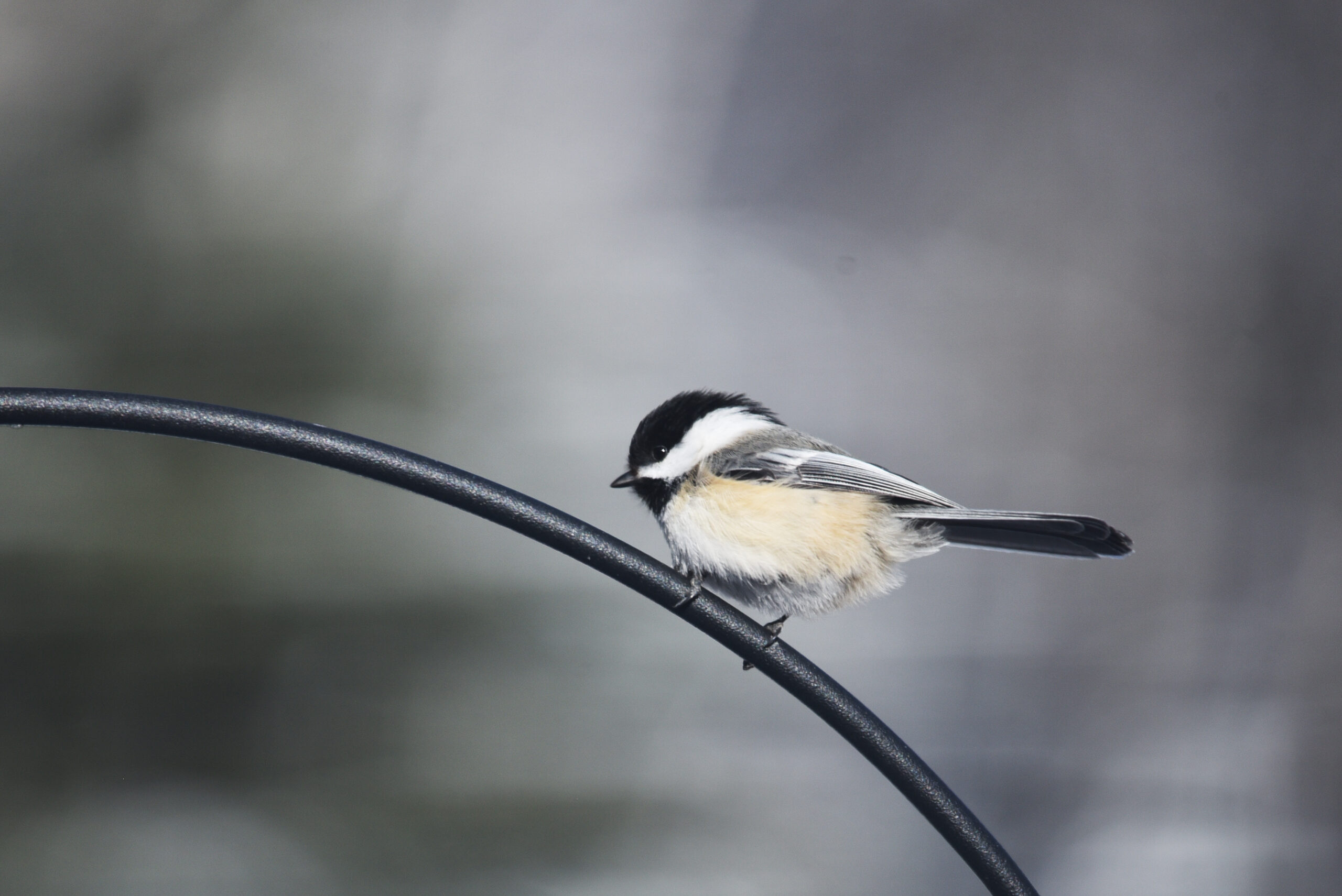
“Mixes with red millet, golden millet, flax seed, rape seed and oats are a waste,” says Dana Sanchez, a wildlife specialist with Oregon State University Extension. In her winter bird-feeding guidance, she adds that birds will just kick those fillers out of the feeder, and that the first seed to buy is black oil sunflower.
Sanchez also sets a hygiene rule for backyard feeders: clean all of them once a week and rinse with 10 parts water to 1 part bleach. The advice comes from an OSU Extension news article with a last-modified date of Dec. 19, 2025, and a second feeder program, Cornell Lab’s Project FeederWatch, agrees on most points and differs on a few.
Why black oil sunflower comes first and fillers come last
In the OSU Extension article, Sanchez puts black oil sunflower seed at the top of the list. She names chickadees, black-headed grosbeaks, house sparrows, northern flickers and song sparrows among the birds it attracts. Nyjer, or thistle, seed in a feeder designed for it draws finches, she says, and fruit on an elevated platform feeder attracts waxwings, grosbeaks, chickadees and robins.
Project FeederWatch’s feeding guide, last modified July 6, 2026, calls black-oil sunflower the most common seed offered at feeders in North America. It describes the seed as high in energy with thin shells, and a favorite of cardinals, chickadees, finches and sparrows. The program’s common feeder birds page lists black-oil sunflower, hulled sunflower, millet, milo, nyjer, oats and safflower among the food types it uses to match birds to feeders.
Where the filler advice splits
The two sources agree that cheap mixes waste money, but they do not describe millet the same way. FeederWatch says inexpensive mixes often contain milo, which most birds do not eat, and advises avoiding mixes with large amounts of it in the East. It says millet is a favorite of smaller ground-foraging birds such as juncos and sparrows, and that cracked corn attracts doves, quail and sparrows.
Sanchez’s position is stricter for mixes built on millet, flax, rape seed and oats. That leaves a practical reading for backyard feeding: a single-seed feeder of black oil sunflower matches both sources, and ground-feeding species may take the millet that Sanchez wants kept out of feeders. FeederWatch also advises offering nyjer alone rather than in a mix to reduce waste.
The weekly scrub and the bleach rinse
Sanchez calls cleaning all bird feeders once a week essential, and says moisture contributes to mold, which can cause disease. Her steps are to discard leftover feed, scrub inside and out with a long-handled brush, rinse with 10 parts water to 1 part bleach, and let the feeder dry completely before refilling.
FeederWatch gives a different schedule and ratio. Seed and suet feeders should be cleaned every week or two, and more often during heavy use or wet weather, with warm water and dish soap, a rinse and full drying. Disinfecting means soaking cleaned parts for 10 minutes in one part bleach to nine parts water, then rinsing and drying completely, and it is recommended during heavy use or when sick birds are seen. FeederWatch gives no fixed schedule for the bleach step. For birdbaths, it says to change the water every couple of days and scrub weekly.
The Project FeederWatch page on sick birds and bird diseases, last modified Nov. 2, 2026, says prevention is the main way to stop the spread of disease, so feeders should be cleaned regularly even when no birds look sick. If a sick bird has used a feeder, it says, the feeder should come down for a couple of weeks while the feeder and surrounding area are cleaned thoroughly. Salmonellosis is a common cause of death in feeder birds and has caused significant deaths in pine siskins, redpolls and American goldfinches, according to the page.
Shelter, water, hummingbirds and the rest of Sanchez’s list
Sanchez says feeders belong near cover. Birds at feeders are always on the lookout for danger, she says, and may avoid a feeder that is visible to people but has no nearby shrub. Nearby shrubs or trees also let birds escape wind and predators.
For water, she recommends a shallow, flat-bottomed dish with 1/2 to 1 inch of water, cleaned often and refilled daily or every other day. Suet is best in fall and winter because fat-and-seed mixes help birds keep warm, she says. To discourage rats, keep seed off the ground by using feeders with catch pans, and use baffles and squirrel-resistant feeders if squirrels are a problem. She also says not to use pesticides, pelletized weed-and-feed or moss killer where birds feed.
Hummingbird feeders follow their own rules. OSU Extension Master Gardener volunteer Brenda Holmes-Stanciu writes in a February 2025 article that nectar is one part sugar to four parts water, made only with granular white sugar and never red food coloring. She says Anna’s hummingbirds can be spotted year-round in the Pacific Northwest and that a maintained feeder can help during cold snaps.
The same logic of leaving food and cover for birds shows up in the site’s piece on why Iowa State says perennial stems and seed heads left standing feed birds through winter.
Get stories like this by email. Sign up for The Parent Diaries Letter.
This article was produced with AI assistance and edited for accuracy against the sources linked above.
Image: U.S. Fish and Wildlife Service – Midwest Region – Public domain/Wikimedia Commons