Perennial Stems and Seed Heads Left Standing Until Spring Feed Birds and Insulate Plant Crowns, So Iowa State Says Fall Cutback Isn’t Necessary
Cutting the garden down to the ground after the first freeze feels like the proper way to close the season, but it is a habit more than a requirement. According to Iowa State University Extension, clearing perennial beds after the first freeze is not necessary, and the stems and seed heads left standing give birds and insects something to live on while the crowns stay protected.
Most perennials can simply stay as they are until early spring, and the extension guidance gives specific reasons why a messier bed through winter is a healthier one.
Standing Stems Protect the Crown and Catch Snow
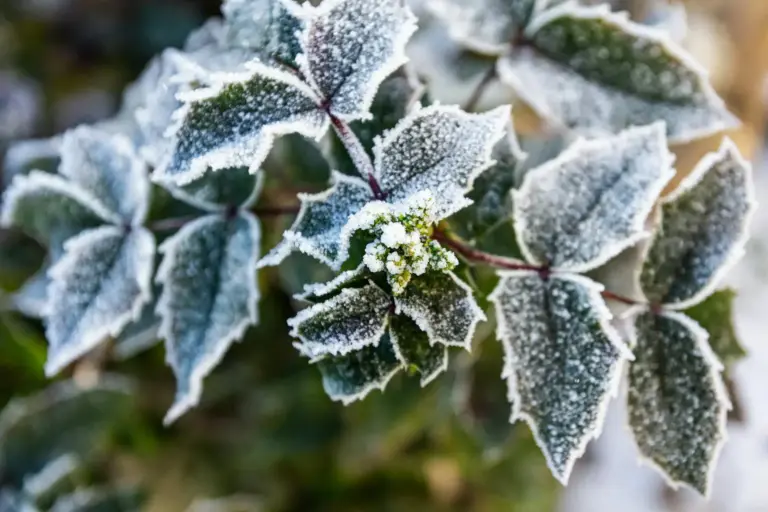
Iowa State says leftover plant material shields the crown and root system through winter. Dead stems and leaves also trap fallen leaves around the plant, which adds a layer of protection, and the debris helps shallow-rooted perennials resist frost heaving, the freeze-and-thaw cycle that pushes plants up out of the soil.
Amy Jo Detweiler of Oregon State University Extension describes the same benefit in snowier terms. Standing stems hold snow in place, she writes, and that snow insulates the plants from the cold. She says gardeners can wait until spring to cut back, and that leaving the stems up through winter also adds winter texture to the bed.
Mulch still has a place. Iowa State recommends about 4 inches over the crown of hardy perennials once the ground has frozen, which is typically by late November in much of Iowa, because mulching too early can delay dormancy and increase cold damage. Oregon State likewise says to wait until the ground has frozen lightly before mulching, which keeps the ground frozen, and puts the depth at 2 to 5 inches for most perennials, with 5 inches or more for tender ones. The site’s earlier look at cutting chrysanthemums back and blanketing beds in leaves covers one plant that does get a trim.
Tender or late-planted perennials get a heavier blanket in Iowa State’s advice: a 6- to 8-inch layer of straw, pine needles or chopped corn stalks, applied late in fall and removed in early spring. The university warns against Styrofoam cones or domes, which can cause early warming and premature emergence. Oregon State adds that a few perennials do better without winter mulch at all, especially in wet soils, where mulch can lead to root rot or loss of the center of the plant.
Seed Heads and Hollow Stems Feed and Shelter Wildlife
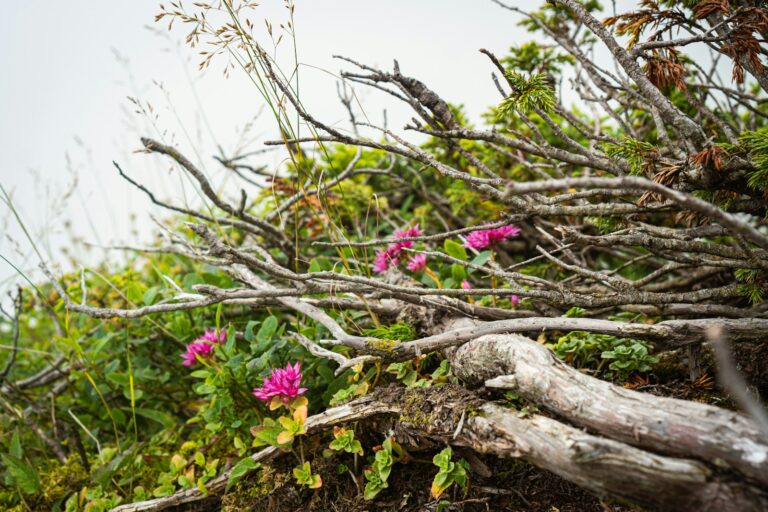
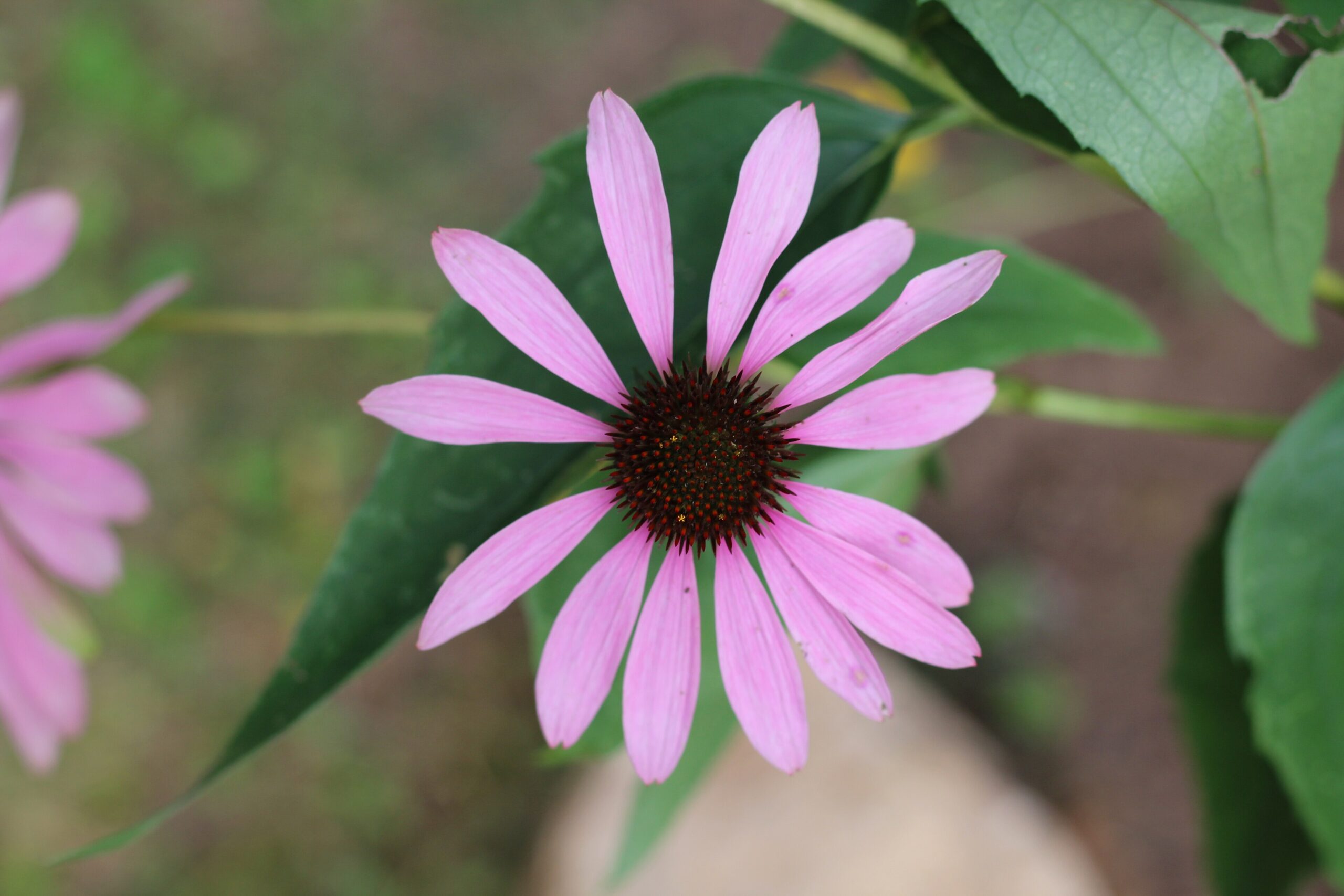
Iowa State says plant material left until spring gives food and shelter to native pollinators, beneficial insects and birds. The seed heads are the visible part of that, and Bonnie Kirn Donahue, an Extension Master Gardener with the University of Vermont, names echinacea, black-eyed Susan, goldenrod, aster and sunflowers as plants whose seed heads birds can feed on in winter.
Donahue also points to hollow, pithy stems, such as those of milkweed, Joe Pye weed, ironweed and ornamental grasses, as winter habitat for pollinators. Some insects lay eggs or overwinter inside those stems.
The Brooklyn Botanic Garden’s Ellie Shechet makes a similar point about uncut native perennials. Seed heads act as natural bird feeders, she writes, and insects overwinter in plant bases, hollow stems and leaf litter. Goldenrod offers an example: woodpeckers open its insect-filled stem galls to eat the protein inside.
A Few Perennials Still Get a Fall Cut
Standing is not the rule for every plant. Iowa State says perennials that had disease or insect problems over the summer should be cut back in fall, and so should weedy or aggressively self-seeding plants, which benefit from late-season deadheading and cleanup. Most other perennials, the university says, can stay standing until spring.
Gardeners who do want a tidier bed before winter have a middle path. Detweiler says that in late fall or early winter, once plants have died back and gone dormant, they can be cut to 6 to 8 inches above the ground. NC State Extension goes a little taller for the sake of native bees, recommending a stubble of 12 to 24 inches. Elsa Youngsteadt, Hannah Levenson, Leslie Rose and Charlotte Glen, the authors of that publication, explain that stems are not occupied by nesting bees in their first winter, which makes that season a good time to trim them. They also note that cutting to the ground does not harm bees but does not help them either.
The NC State authors add that gardeners who trimmed or deadheaded earlier in the season should not cut those stems again in winter, and that each winter only the previous season’s growth should be cut, leaving older stems alone.
Waiting for Spring Cleanup
When spring arrives, Iowa State says the best time to remove the old stems is early in the season, and it suggests lifting the winter mulch around mid-March in much of Iowa once the top layer of soil thaws.
Colder or wetter regions may run later. Donahue advises waiting until the ground dries out and temperatures warm, and until insect activity is visible in the area. Shechet gives a more precise marker: wait until pollinators are flying and temperatures consistently reach about 50 degrees Fahrenheit, which in the Northeast is around March or April. She adds that some stems, particularly those of the aster family, become more useful to insects when left standing for more than one winter.
For a garden that looks a little shaggy in January, that is the trade the extension specialists describe: less fall work, a fuller bird feeder, and plant crowns that spend the winter wrapped in their own old growth.
Get stories like this by email. Sign up for The Parent Diaries Letter.
This article was produced with AI assistance and edited for accuracy against the sources linked above.
Image: WI-Photos – CC0/Wikimedia Commons