Box Tree Moth Has Been Found on Long Island for the First Time, and New York Is Asking Nassau County Residents to Check Their Boxwoods for Webbing
Boxwood hedges line front walks and foundation beds across Long Island, and state inspectors have now confirmed the pest that strips them bare in Nassau County. The New York State Department of Agriculture and Markets announced on Oct. 16 that box tree moth was found in the Nassau County area in mid-September, the first detection outside the state’s quarantine zone.
The department is asking Long Island residents to inspect their boxwoods for chewed leaves, webbing and frass, the droppings caterpillars leave behind, and to report anything suspicious.
A First Find Far From the Quarantine Zone
Inspectors with the department’s Plant Industry Division confirmed the Nassau detection. The state’s announcement did not give a specific location or say how the moth was found.
Until now, the pest had been confined to upstate New York. New York’s quarantine, set up in 2024, covers 34 upstate counties, and earlier finds were in Niagara County near the Canadian border and in Monroe, Wayne and Cayuga counties along Lake Ontario, according to the department. The quarantine bars selling or moving boxwood out of the quarantine area and requires sellers to keep sales records for inspection. The department said it will revise the boundary as surveys warrant.
State Agriculture Commissioner Richard A. Ball said the Nassau detection shows the need to “act fast to limit the spread of this invasive pest,” and urged residents to check their boxwoods regularly.
The department’s box tree moth page traces the pest’s path. It reached Europe in 2007, was first found in North America in Ontario in 2018, and was first confirmed in New York in Niagara County in July 2021. Later surveys turned it up in Erie, Orleans, Monroe, Wayne, Cayuga and Oswego counties, including larvae in a residential landscape in Youngstown.
The state is not working alone. According to the Oct. 16 announcement, APHIS is helping with management, including trapping along the leading edge of the quarantine zone and in other high-risk areas around the state. Boxwood is a valuable crop for New York’s horticulture and nursery industry, the department noted, and the shrub is widely used in Long Island landscapes.
How the Caterpillars Destroy a Boxwood
The moth is native to East Asia, and its caterpillars feed on boxwood. The U.S. Department of Agriculture’s Animal and Plant Health Inspection Service says they can completely defoliate a plant and then move on to the bark, which can kill it. APHIS lists confirmed detections in Delaware, Kentucky, Maryland, Massachusetts, Michigan, Ohio, Pennsylvania, Virginia and West Virginia, in addition to New York.
New York’s agriculture department adds that once boxwoods are destroyed, the moth also feeds on euonymus and holly, two other common landscape shrubs.
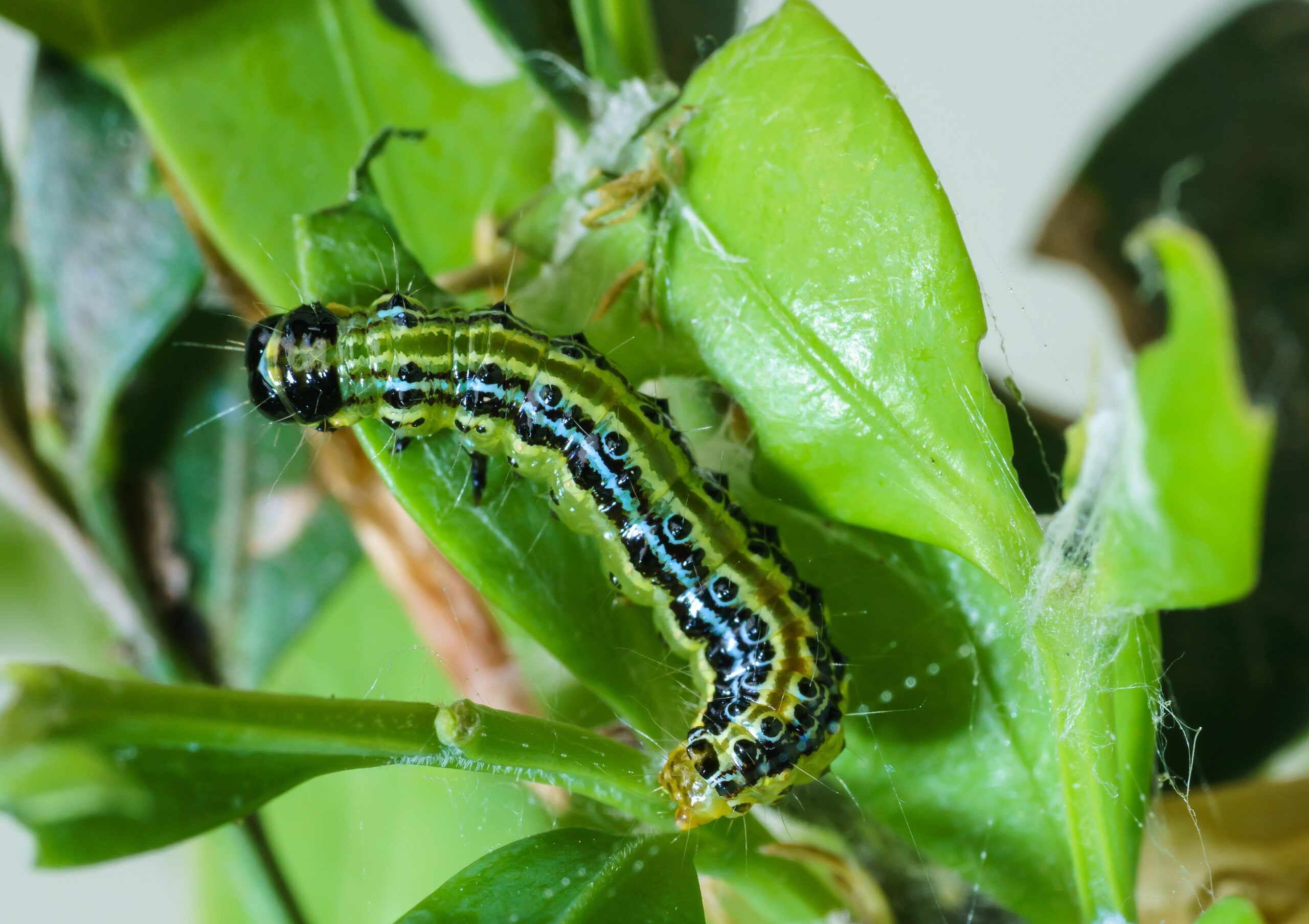
The damage can hide at first. According to the state, young larvae tuck themselves among twigs and leaves, so early feeding may not be visible. Later signs include chewed, cut or missing leaves, yellowing or browning foliage, white webbing and green-black droppings on or around the plant.
What to Look for on Long Island Boxwoods This Fall
Fall is when the caterpillars dig in. The University of Maryland Extension says that around October, caterpillars build silken pouches attached to leaves and stay dormant inside them through winter, emerging around April. New York’s announcement tells residents that from fall through spring, leaves stuck together with webbing near branch tips may be housing those overwintering larvae.
Penn State Extension describes the caterpillars as green and yellow with white, yellow and black stripes and black spots, and notes they are the only caterpillars in the region that feed on boxwood. The overwintering caterpillars can survive temperatures down to about minus 22 degrees Fahrenheit.
Adults are usually white with a thick, irregular brown border on the wings, according to the state. Some are almost entirely brown with a small white streak on each forewing.
Shoppers buying new boxwoods also face rules aimed at the moth. Since May 22, 2024, boxwood may move between states out of a quarantined area only from an establishment under a compliance agreement and with a certificate from a state agricultural authority, according to New York’s agriculture department. Canadian boxwood imports have required a phytosanitary certificate declaring pest-free production since Dec. 19, 2023.
Reporting and Treating an Infestation
New York only asks for reports from outside the counties where the moth is already known, and Nassau now sits in that reporting zone. Residents who spot signs are asked to photograph them and file a report at agriculture.ny.gov/reportBTM. State inspectors may also survey residential properties with the owner’s permission, and the department says they will identify themselves and explain why they are there. Property owners looking for management advice can contact their local Cornell Cooperative Extension office.
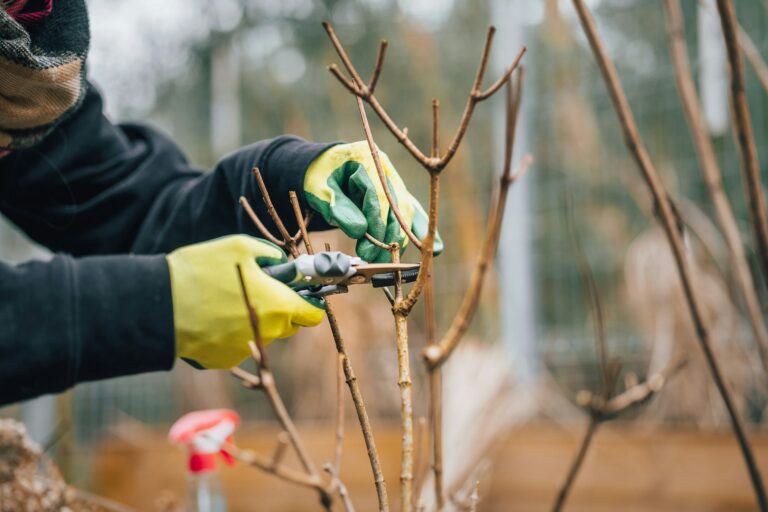
For small infestations, the University of Maryland Extension recommends hand-picking or pruning off caterpillars and dropping them into soapy water, and it advises against preventive sprays, which it says do not control the moth well and can harm beneficial insects. For larger infestations, it suggests horticultural oil or insecticidal soap aimed at small caterpillars on the undersides of leaves. Penn State Extension notes that Bt and spinosad have been used in Europe.
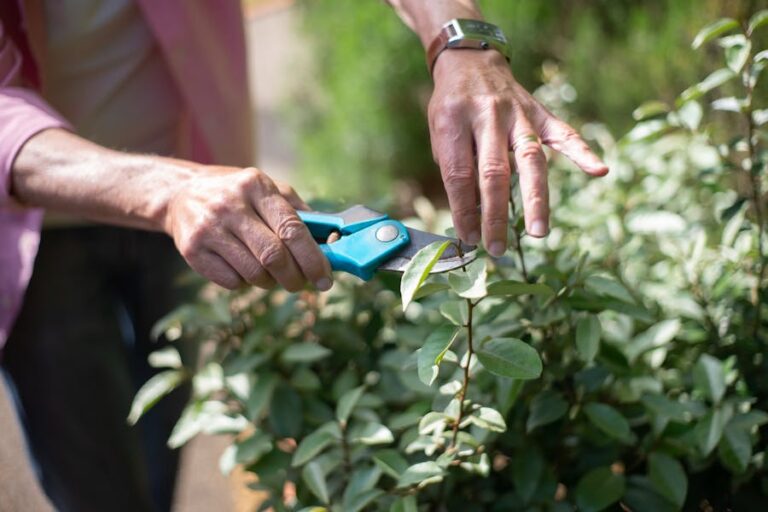
APHIS says heavily infested plants can be cut back to the base, since boxwood should regrow from its roots. Both APHIS and New York’s agriculture department say boxwood clippings and debris should be double-bagged in plastic and put in the household trash.
Box tree moth is one of several pests putting home landscapes under watch this fall, from a single fruit fly that put part of Port Isabel, Texas, under federal quarantine to beech leaf disease spreading through New Jersey’s Saddler’s Woods.
Get stories like this by email. Sign up for The Parent Diaries Letter.
This article was produced with AI assistance and edited for accuracy against the sources linked above.
Image: Franz van Duns – CC BY-SA 4.0/Wikimedia Commons