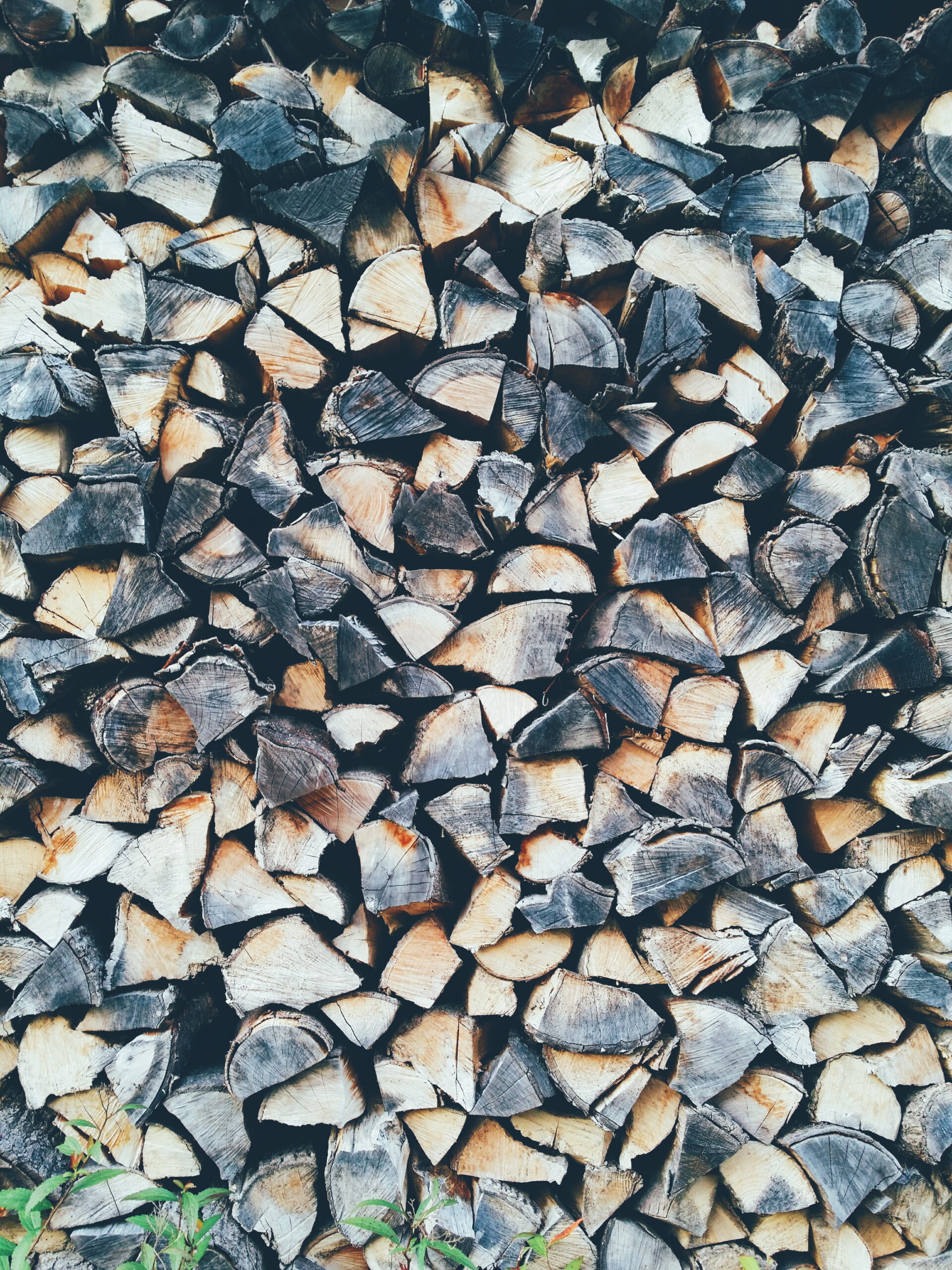
Firewood From a Red Oak That Died of Oak Wilt Can Seed New Infections, So Minnesota Extension Says to Split It to 4 Inches and Stack It Loosely Before January
A red oak that wilted and died this summer can still cause trouble after it’s cut down. According to University of Minnesota Extension, the fungus that causes oak wilt can form spore mats on logs from recently killed oaks, and those mats draw the beetles that carry the disease to healthy trees in spring. The extension’s fix for wood cut outside the high-risk season is specific: split it into pieces no wider than 4 inches and pile it loosely before January, so it dries out before spring arrives.
For homeowners who lost an oak this year and are looking at a pile of rounds in the yard, the next eight weeks matter.
How a Dead Oak Becomes a Source
The mats are the problem. In red oaks killed by oak wilt, the fungus can produce mats under the bark, and the extension says those mats on trees that wilted the previous year are most important for spread from April through mid-July. Sap beetles are strongly attracted to them, and the beetles then carry spores to fresh wounds on healthy oaks.
The same thing can happen after the tree is on the ground. “Mats can form on these logs,” David W. French and Jennifer Juzwik write in the university’s publication Oak Wilt in Minnesota, and long-distance movement of that wood has started oak wilt in places that didn’t have it before.
Red oaks are the ones to watch. French and Juzwik note that northern red oak and northern pin oak typically wilt completely within two to six weeks of symptoms appearing, while white and bur oaks decline more slowly, which an older Tri-County News guide drawn from the same publication also describes.
The January Deadline
Drying is what stops mats from forming. Wood that is split small and stacked with air moving through it dries quickly. The extension’s instruction, for wood handled outside the high-risk period, is to split it into pieces no wider than 4 inches and pile it loosely before January. That gives the wood the winter to dry before spring, when beetles become active and mats would otherwise form.
Large rounds left whole and stacked tightly hold their moisture much longer. A heap of unsplit logs from a red oak that died this summer is exactly the kind of wood the guidance is aimed at.
If the Wood Isn’t Split in Time
For wood that can’t be split and dried before spring, the extension gives a second option. During the high-risk period, diseased wood should be covered with a tarp, with the edges of the tarp buried completely in soil so beetles can’t get in or out.
Time also helps. The extension says not to move fresh firewood from recently wilted oaks, and to wait a few years after a tree’s death before moving oak firewood elsewhere.
Keeping Oak Firewood Close to Home
Moving oak wood is how the disease jumps long distances. The Minnesota Department of Natural Resources, in a bulletin on oak wilt, tells campers, cabin owners, visitors and hunters not to move firewood, and to buy wood locally or firewood certified by the Minnesota Department of Agriculture instead. Forest health specialist Rachael Dube repeated that advice to the Brainerd Dispatch, warning that infected oak firewood can spread the disease over long distances.
That matters most for people who heat with wood or take a load north to a cabin. A trunk of a diseased red oak hauled from one property to another can carry the fungus with it.
Why the Stakes Are High
Oak wilt kills all of Minnesota’s oak species, according to the DNR, and it moves between neighboring oaks through grafted roots. French and Juzwik note that oaks up to 50 feet apart can be grafted together. Once the disease is established on a property, Dube told the Dispatch, “Controlling oak wilt can be very expensive,” often meaning the removal of dying and healthy oaks alike to protect the rest.
Handling the wood correctly is the cheap part. Splitting a dead red oak into small pieces and stacking it loosely before New Year’s costs a few afternoons. For homeowners who also have living oaks to care for, the same extension guidance says November through March is the safest time to prune, since the fungus and its beetles are inactive in winter.
Get stories like this by email. Sign up for The Parent Diaries Letter.
This article was produced with AI assistance and edited for accuracy against the sources linked above.
Image: Brigitte Tohm – CC0/Wikimedia Commons