Six Hours Below Freezing Can Turn the Water in a Garden Hose Solid, So Plumbers Say to Disconnect Hoses Before the Forecast Hits 32 Degrees
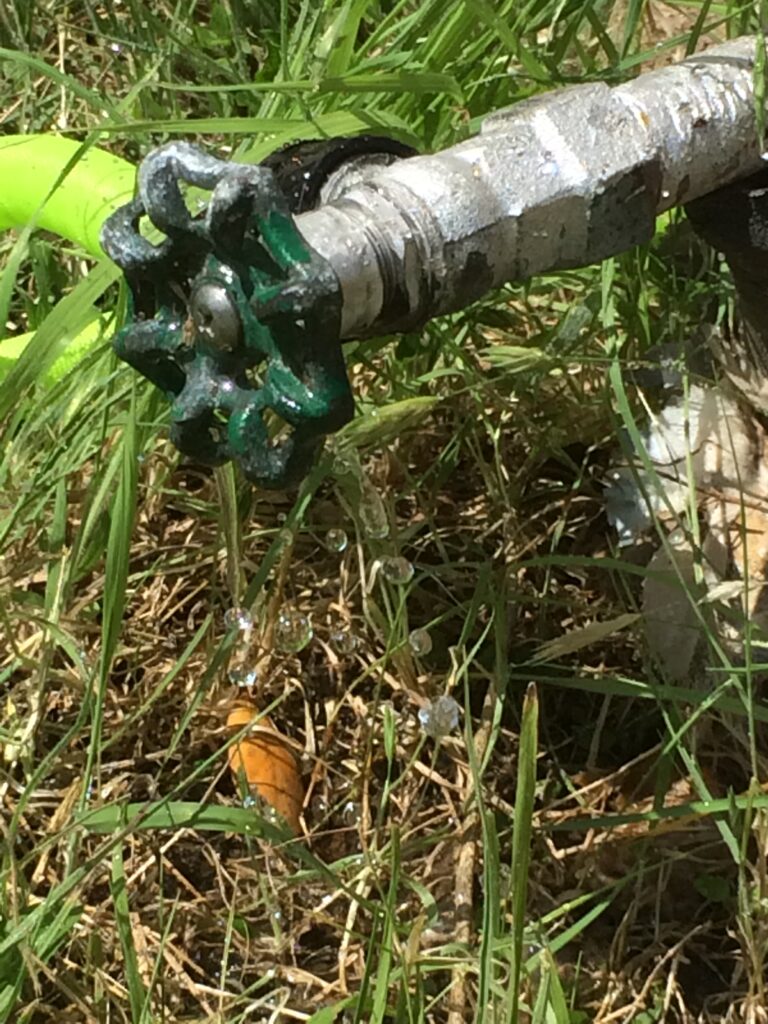
A garden hose left screwed onto the spigot after the last fall watering still holds water, and so does the pipe behind it. Water in a hose and outdoor faucet can freeze in as little as six hours in freezing temperatures, according to Southern Living.
Plumbers and home experts say the time to take hoses off is before that first freezing forecast, not after it. Angi advises winterizing outdoor spigots before temperatures drop to 32 degrees or below.
Why a Connected Hose Puts the Pipes at Risk
Southern Living’s advice is to disconnect hoses before the first freeze of the season, or as soon as temperatures are expected to dip into the 30s.
The plumbing inside a house has its own danger point. Texas A&M AgriLife Extension says pipes can freeze and burst once outdoor temperatures reach 20 degrees or below, and notes that attics and crawl spaces often have little or no insulation, which leaves their pipes exposed. Its cold-weather checklist includes the hoses and hose bibs outside.
Nathan Simcox, a Philadelphia master plumber who teaches plumbing at Delaware County Community College, told The Philadelphia Inquirer on Oct. 24 that disconnecting hoses is critically important, because an attached hose will not drain and can freeze.
Marisa Y. Thompson, an extension horticulture specialist at New Mexico State University’s Los Lunas Agricultural Science Center, described what happened when she skipped this step. With a hose left on, ice damaged the coupling at the house and a pipe in her crawl space split behind the valve. In colder winters, with the hose removed, the pipe held. She wrote that she could find no study proving ice can travel past a closed valve, but suspected a valve that does not seat properly could let it through, and concluded that removing the hose after use is advised. Because New Mexico winters are usually dry, she added, the hose will need to go back on now and then to water when the weather allows, and should come off again each time.
Frost-Free Spigots Are Not a Free Pass
Many newer homes have frost-free faucets, which shut the water off deep inside the wall. Reuben Saltzman of Structure Tech Home Inspections in Minnesota explains that a properly installed one is pitched slightly downward so water drains out when it is turned off.
The catch is the installation. If the faucet was not pitched correctly, water stays in the stem. Saltzman writes that the stem can freeze and burst, and the leak may not show up until spring, when the faucet is turned on and water sprays inside the house. His first step for any outdoor faucet is disconnecting the garden hose, and he calls leaving one connected “asking for trouble.”
Simcox’s routine for every outdoor faucet is the same: shut the indoor valve to the hose connection, open the outdoor spigot so it drains, and add an outdoor faucet cover from the hardware store, the Inquirer reported. He had recommended finishing the job before Halloween.
Draining and Storing the Hose
A Martha Stewart Living guide by Blythe Copeland, drawing on Hoselink’s Annie Morton and Mr. Handyman president Ron Shimek, lays out the steps:
- The hose comes off the spigot first, along with nozzles, sprinklers and other fittings, which get stored somewhere dry so they do not rust.
- Lifting one end and walking it toward the other pushes the water out, and a gentle shake frees trapped pockets. A hose on a reel should be fully unwound and reeled back in slowly.
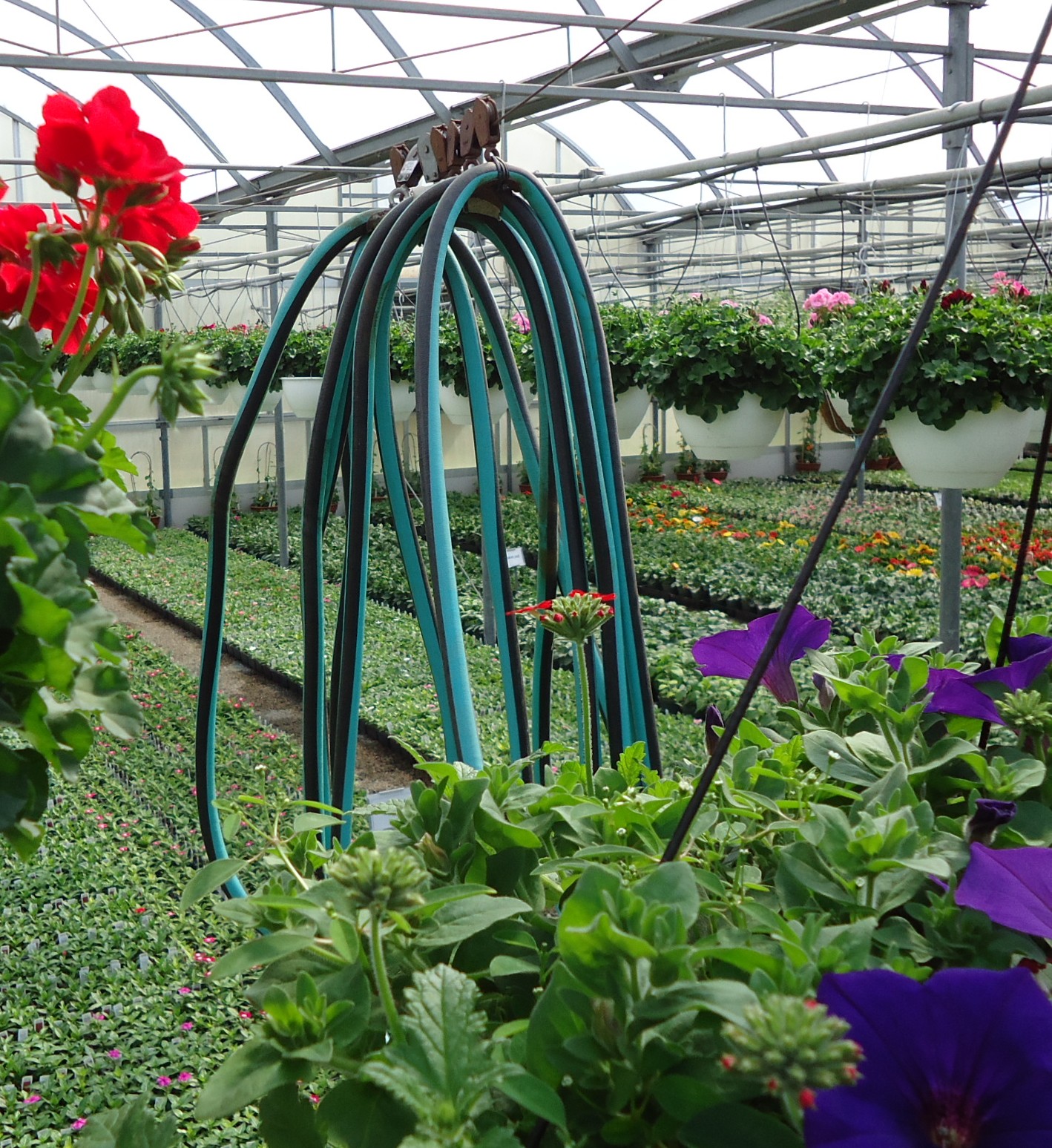
- Large, loose loops prevent kinks, with the coil held by a loose tie or strap.
- The best storage spot is cool, dry, dark and above freezing, such as a garage or basement, with the two open ends joined to keep pests out.
- A detachable reel is best taken off and stored indoors too, and every attachment should be dried before it is put away.
The same end-of-season routine covers other yard gear, from putting the lawn mower away for winter to mounding soil over rose canes in cold-winter gardens.
Shutting Off and Covering the Spigot
Texas A&M AgriLife Extension, drawing on American Red Cross and Institute for Business and Home Safety guidance, lists three steps for outdoor faucets: remove and drain hoses and store them in a shed or garage, close the inside valves that feed hose bibs where possible, and cover the bibs with insulated covers.
Angi also recommends disconnecting every hose, draining it thoroughly and storing it indoors. If a spigot has already frozen with a hose on it, Angi says to take the hose off first before trying to thaw the faucet, as long as that can be done without damaging it.
Timing depends on the area. The Inquirer noted that the median first freeze at Philadelphia International Airport is Nov. 10, while the suburbs and other parts of the city usually see it in the last week of October or the first week of November.
For a pipe that does freeze, Texas A&M recommends keeping the faucet open so water can flow as it thaws, and applying gentle heat with a heating pad, hair dryer, space heater or towels soaked in hot water, with electrical cords kept away from water. It warns never to use an open flame such as a blowtorch or a kerosene or propane heater. If the frozen section cannot be found or reached, or will not thaw, the extension service says to call a licensed plumber.
Get stories like this by email. Sign up for The Parent Diaries Letter.
This article was produced with AI assistance and edited for accuracy against the sources linked above.
Image: Tomwsulcer – CC0/Wikimedia Commons