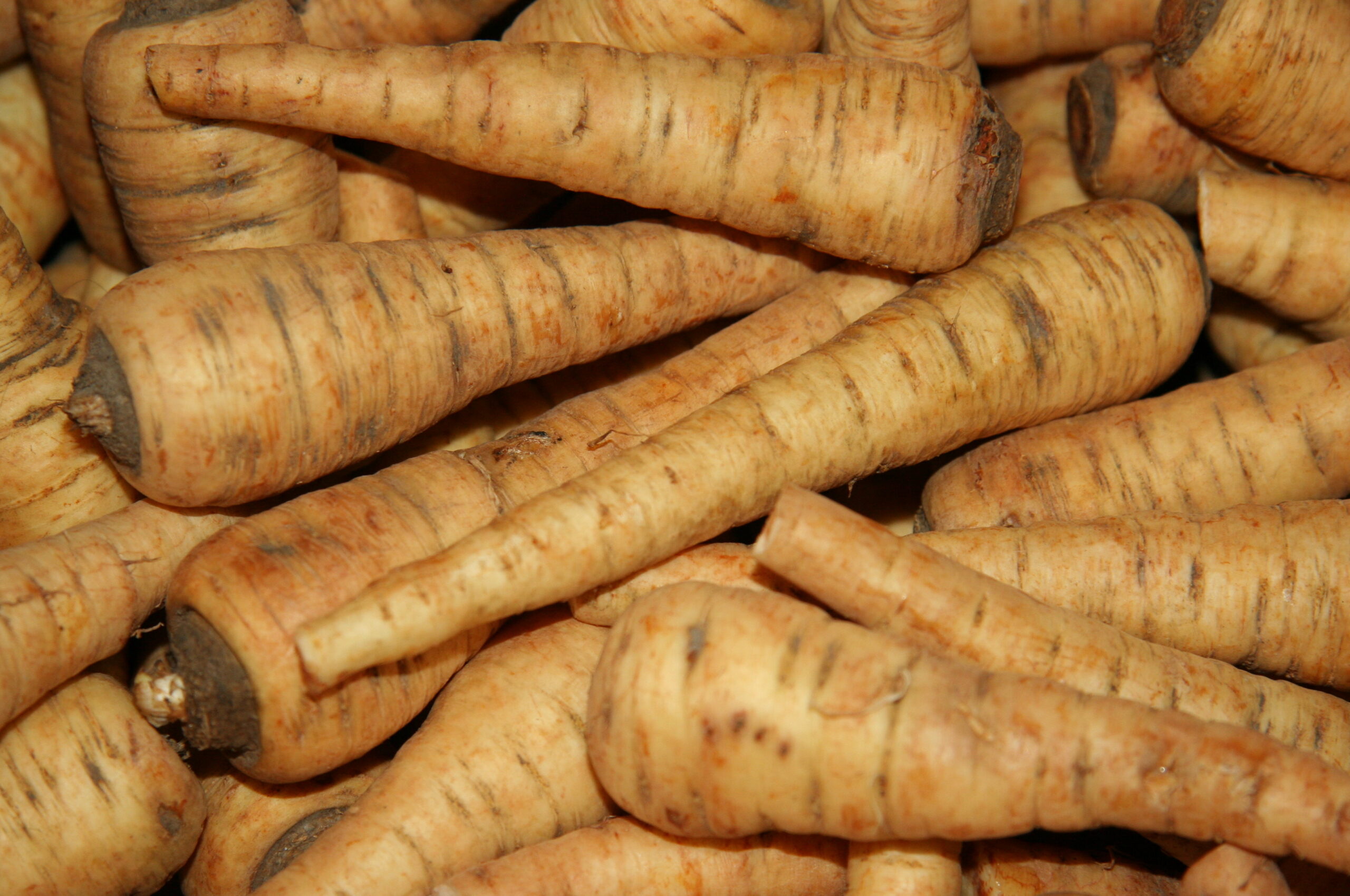
Parsnips Left in the Ground Grow Sweeter as the Soil Turns Cold, and Iowa State Says to Dig the 10- to 12-Inch Roots in Spring Before They Flower
As garden soil cools through November, the parsnip row is one of the few spots in the vegetable garden that is still improving. Iowa State University’s Yard and Garden team says the longer parsnips stay in the ground in fall, the sweeter they become, and that the roots can be left in place over winter and dug in early spring.
The catch is timing on the other end. Iowa State says to dig the 10- to 12-inch roots before the plants send up a flower stalk, because flavor drops once they bolt.
Why Cold Soil Turns Parsnips Sweet
The Iowa State guide to carrots and parsnips, written by horticulturist Aaron Steil, says cold soil increases the sugar content of the roots and improves their flavor. It calls parsnips cold-hardy plants that will even tolerate staying in the ground through winter.
University of Illinois Extension describes the same change in more detail. Its parsnip growing guide says flavor develops after the roots are exposed to near-freezing temperatures for 2 to 4 weeks in fall and early winter, as starch in the root converts to sugar.
Penn State’s PlantVillage parsnip page also says frost converts the root’s starch into sugars, which is why it recommends waiting until after the first light frosts to harvest.
Utah State University Extension puts it simply in its parsnip guide: parsnips taste best after several weeks of cool, frosty weather.
Leaving the Row in the Ground for Winter
Gardeners who plan to overwinter the crop have a short list of steps. Illinois Extension says to cover the crowns with a few inches of soil or straw after the first fall frosts. A low tunnel can also keep snow off the plants for winter and early-spring digging.
Utah State gives the same advice about covering the crowns with soil and notes that parsnips are often overwintered under heavy mulch, such as straw or compost. Temperatures down to 32 degrees do not seriously damage the plants, according to Utah State.
The National Gardening Association’s parsnip guide recommends covering roots left in the ground with a thick layer of organic mulch, then harvesting right after the ground thaws in spring. For gardeners who would rather dig in fall, it says the best flavor comes after a few frosts but before the ground freezes.
Digging the 10- to 12-Inch Roots Before They Flower
Parsnip roots are long, which is why Iowa State recommends loosening the soil before pulling. Its guide says roots are often 10 to 12 inches long, and suggests pushing a garden fork into the soil alongside the row to loosen it and keep the roots from breaking.
Watering the day before digging, or harvesting after a rain, also makes the job easier, Iowa State says.
Illinois Extension lists typical roots at 1.5 to 2 inches across and 8 to 12 inches long, with yields that often top one pound per foot of row. It says a shovel, tilling spade or spading fork all work for digging.
The overwintering window closes when the plant wakes up. Iowa State says to dig parsnips before the plants send up a flower stalk, since flavor declines once they bolt.
Illinois Extension is more blunt: roots lose flavor and become fibrous once new tops and seed stalks start to grow. Utah State says to harvest before new spring leaves emerge, or the roots turn woody.
The reward for getting the timing right is a sweeter root. Illinois says parsnips dug in early spring are especially tender and sweet, because stored starches convert to sugar as the plant prepares for new growth. Utah State says the same of early-spring harvests.
Storing the Roots After the Harvest
After digging, Iowa State says to cut the foliage to within half an inch of the roots. Its storage advice for carrots and parsnips is the coldest part of the refrigerator, ideally 32 degrees with 95 to 100 percent relative humidity, for up to three months.
Utah State offers a cellar option: roots dug and packed in moist sand can keep for several months in a cool space. It also warns that storing parsnips near apples or pears can make them bitter.
Illinois suggests choosing firm, dry roots without pits, and cutting out the woody core of larger ones before cooking.
Getting Next Year’s Row Started Early
A good winter harvest starts with a long season. Iowa State says parsnips are planted in early to mid-spring and take 100 to 120 days to mature, and its advice is to leave them in the ground as late into the season as possible, until after fall frost.
Utah State says planting can begin 2 to 3 weeks before the last spring frost, once the soil reaches 40 degrees. It adds that organic mulch in summer, such as grass clippings, leaves or straw, helps cool the soil and reduce water stress.
That summer care matters for flavor later. Utah State notes that summer heat and swings in soil moisture can make the roots bitter. A steady, mulched row through August gives the November frost something good to work with.
Parsnips join a short list of crops that reward patience into the cold months. Gardeners still planting into November in warmer zones or mulching beds with leaves this month can leave the parsnip row marked and mulched, then dig it before the first spring growth.
Get stories like this by email. Sign up for The Parent Diaries Letter.
This article was produced with AI assistance and edited for accuracy against the sources linked above.
Image: Jonathunder – CC BY-SA 3.0/Wikimedia Commons