Patio Gardener Says His Homemade Compost Reached 100 Degrees but Still Smelled Awful, Then Experienced Gardeners Revealed the One Thing He Might Be Missing
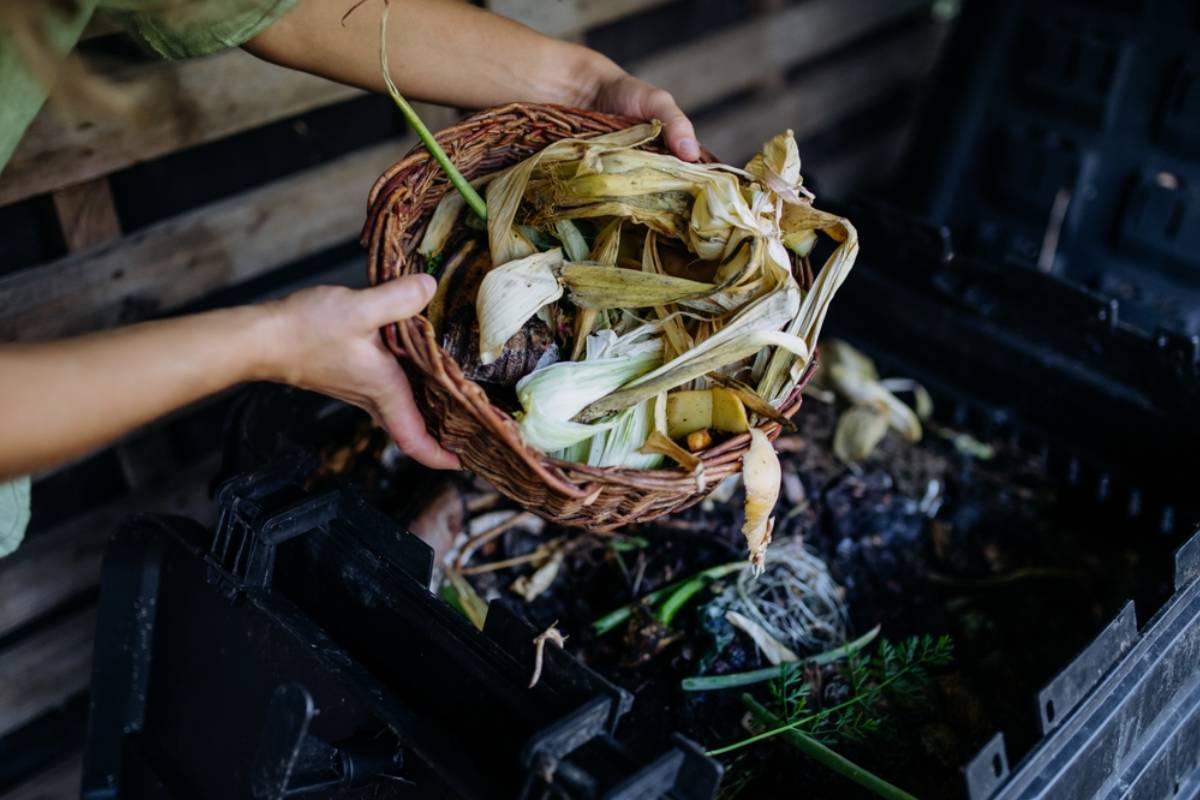
A person shared his story about trying to turn ordinary vegetable scraps into rich, garden-ready compost despite having very little outdoor space. Without a backyard or a proper composting setup, he decided that a wide, 20-gallon plant pot would make a perfectly reasonable substitute. He filled it with kitchen vegetable scraps and brown materials, hoping to create a miniature recycling station right outside his home.
At first, everything seemed to be going according to plan, at least from a gardening perspective. The mixture was slowly breaking down, the temperature hovered around 100 degrees Fahrenheit, and he regularly turned the contents to keep things moving. There was just one rather unpleasant problem that threatened to spoil his enthusiasm for the whole experiment.
The Compost Was Working, but the Smell Was a Different Story
Despite his efforts, the compost smelled noticeably unpleasant, even though it was no longer as horrendous as some of his earlier attempts. He had already experimented with different containers and learned the hard way that overly wet compost with insufficient brown materials could produce a truly memorable stench. His latest mixture was an improvement, but it still did not smell like the fresh forest floor he had imagined.
The gardener was not particularly alarmed because decomposition was happening, and the odor was bearable enough to tolerate. What puzzled him was whether a little stink was simply an unavoidable part of composting. He wanted to know whether a perfectly managed compost pile could become completely odor-free or whether every successful gardener had to make peace with a little backyard funk.
Experienced Gardeners Had One Repeated Answer
The first wave of advice quickly settled on a familiar gardening principle: add more browns. Materials such as dry leaves, shredded cardboard, untreated paper, and small amounts of other suitable dry plant matter help balance nitrogen-rich kitchen scraps while creating a looser structure. Several experienced composters explained that gardeners often underestimate just how much brown material a healthy compost mixture needs.
One response from a person explained that a well-balanced pile should smell earthy rather than sour or rotten. Another gardener admitted that the biggest lesson they had learned was to use more browns than they originally thought necessary. Suddenly, the mystery seemed less like a complicated scientific puzzle and more like a familiar gardening mistake that could be hiding in plain sight.
His Open Pot Raised Another Question
The next detail added a small twist to the investigation because the gardener was not using a sealed plastic bin. His compost sat in a wide plant pot with an uncovered top, allowing air to reach the surface. That detail initially made it tempting to assume ventilation could not possibly be the problem.
However, a response from a person pointed out that an open top does not guarantee sufficient airflow throughout a deep composting container. The lower layers can become compacted, especially when vegetable scraps break down into soft, heavy material. Without enough air reaching those layers, decomposition can shift toward oxygen-poor conditions that often produce unpleasant odors.
The Drainage Holes Became a Suspect
A common explanation for smelly compost is excess moisture collecting at the bottom of a container. When the material becomes waterlogged, air struggles to move through it, creating conditions that encourage odor-producing microorganisms. Several gardeners therefore wondered whether the pot had drainage holes or was accidentally trapping liquid beneath the decomposing scraps.
The advice sounded convincing, but the original gardener had a clarification ready. He explained that it was a genuine plant pot, not a repurposed bucket, and that it already had drainage holes in the bottom. He had not noticed standing water, although he was willing to consider adding a few more holes just to rule out a drainage problem.
Brown Materials Were Doing More Than Hiding the Smell
Adding browns was not simply a trick for covering up a compost pile’s embarrassing odor. Dry leaves, shredded cardboard, and similar materials also help create spaces between particles, making it easier for air to circulate through the mixture. They contribute carbon as well, helping balance the nitrogen supplied by fresh vegetable scraps.
One response from a person recommended being more generous with dry materials than might seem necessary at first. The idea was to create a fluffy, well-structured mixture rather than a dense mass of soggy scraps. For a gardener working with a container instead of an open heap, that structure could make a particularly important difference.
The Sour Smell Offered a Clue
As the conversation developed, gardeners began distinguishing between different types of compost odors. A mild earthy or musty smell is generally normal, while a strong sour, rotten, sewage-like, or rotten-egg odor can indicate oxygen-poor conditions. A sharp ammonia-like smell may instead suggest excess nitrogen or an imbalance in the ingredients.
These distinctions gave the patio gardener a more useful way to diagnose the problem than simply asking whether compost was supposed to stink. The exact smell could offer clues about what was happening inside the pot, although it would not provide a definitive diagnosis on its own. In his case, the unpleasant odor made improving airflow, moisture management, and the ratio of browns sensible next steps.
Turning the Pile Every Other Day Was Not the Whole Solution
The gardener had already been mixing the compost approximately every other day, which showed that he was not simply abandoning the pot and hoping for a miracle. Turning helps introduce oxygen, redistribute moisture, and expose different portions of the mixture to active decomposition. Yet frequent mixing cannot always solve a problem if the material repeatedly becomes too compacted or wet.
Some gardeners suggested checking whether the entire mixture was loose enough for air to move through it. Bulky brown materials, including dry leaves and appropriately sized wood chips, can help prevent the contents from collapsing into a heavy mass. Rather than relying on turning alone, the gardener could combine regular aeration with a better mixture and observe whether the odor improved.
The Temperature Made the Mystery More Interesting
A compost temperature of around 100 degrees Fahrenheit suggested that biological activity was underway, but it did not prove that every part of the pot was decomposing under ideal conditions. A compost container can have warmer, more active sections alongside cooler or poorly aerated pockets. That means an encouraging temperature reading does not automatically rule out the conditions responsible for a sour smell.
The gardener’s goal was to produce useful compost in a relatively small space, not necessarily to operate a perfectly optimized commercial composting system. Several responses emphasized the importance of creating the right balance of ingredients, moisture, and oxygen. With those fundamentals in place, the mixture had a better chance of developing the pleasant, earthy smell associated with healthy compost.
His Worm Bins Revealed a Bigger Gardening Plan
Then another detail made the story more interesting: the gardener already had two reasonably sized worm bins. He loved vermicomposting, and the patio pot was meant to serve as an overflow system while his worms processed their own feedstock. Rather than being a beginner experimenting with a single container, he was building a small, interconnected composting setup.
His plan was to let vegetable scraps partially decompose in the pot before transferring suitable material to the worm bins. That approach could help reduce the immediate workload for the worms and make use of scraps when the bins were already busy. However, the unpleasant odor raised a practical question about whether the partially decomposed material was ready to be introduced to his worm colonies.
The Worms Had Their Own Standards
A response from a person reassured the gardener that worms can happily consume suitable, partially decomposed organic material. Precomposting can be useful because fresh scraps may heat up, ferment, or break down rapidly in ways that make feeding less predictable. Still, not every smelly batch is ready to be transferred simply because it has started decomposing.
Other gardeners warned that strongly sour or foul-smelling material could be a sign that the conditions were not yet suitable for worms. They recommended letting the mixture aerate and allowing the unpleasant odor to subside before adding it to a worm bin. The plan was promising, but the gardener would need to pay attention to the condition of the material rather than follow a fixed schedule.
One Gardener’s Forest-Floor Test Stole the Show
Among the practical advice, several gardeners offered a wonderfully simple benchmark for success. When compost is properly balanced and sufficiently aerated, they said, it should smell much more like damp woodland soil than discarded food. One person described the scent of a balanced compost tumbler as resembling a forest floor, while another said the same about a healthy pile.
That description gave the patio gardener something tangible to aim for instead of chasing an unrealistic promise that compost would never have any smell at all. Fresh scraps can have their own odor, and opening or disturbing a pile may briefly release a noticeable scent. But a persistent sour or rotten smell is not something a gardener must simply accept as the price of making compost.
Bread, Food Scraps, and Other Ingredients Entered the Investigation
The discussion also explored whether particular kitchen scraps might be contributing to the problem. One gardener said the smell in their own system improved after they stopped adding bread, while others asked what kinds of food the patio gardener was using. Different materials break down at different rates, and soft, wet ingredients can contribute to compacted pockets when the mixture lacks enough structure.
The gardener clarified that he was using vegetables and browns rather than meat or a complicated assortment of leftovers. That made the situation seem less like a problem caused by one obviously unsuitable ingredient and more like an issue involving the overall conditions inside the pot. Adjusting the quantity and texture of the browns, while checking moisture and airflow, therefore remained the most useful starting point.
The Real Twist Was That Composting Did Not Have to Stink
One response from a person took a more philosophical approach, suggesting that organic matter would decompose eventually whether the gardener worried about the smell or not. There is some truth to the idea that decomposition can proceed under different conditions, but not every form of decomposition produces the same quality of finished material or the same environmental results. The practical goal of ordinary garden composting is to encourage controlled, oxygen-supported decomposition that produces a useful soil amendment.
Other gardeners pushed back against the idea that a foul-smelling pile was simply an unavoidable part of the process. Strong odors can signal that nitrogen-rich compounds are being lost or that the mixture needs better management. Their message was encouraging rather than discouraging: the gardener did not necessarily need a larger garden, an expensive tumbler, or a completely new hobby to fix the problem.
A Simple Composting Reset Could Change Everything
The most practical next step for the patio gardener was to loosen the mixture with plenty of suitable dry browns, making sure those materials were distributed throughout the pot rather than scattered only across the surface. He could continue turning the contents while checking that water drained freely and that the mixture stayed damp rather than soggy. Burying fresh vegetable scraps in the existing material and covering them with dry browns could also help reduce odors and discourage unwanted visitors.
After making those adjustments, the gardener could monitor the smell and texture over the following week before deciding whether the compost was ready for his worm bins. If the foul odor persisted, he would have reason to investigate compacted lower layers, blocked drainage holes, or other areas where air might not be reaching the material. His little patio operation had started as a question about an unpleasant smell, but it ended with a much clearer lesson: healthy compost should smell like the garden he was trying to grow, not like something the neighbors would complain about.