Homeowner Says a Difficult Neighbor Suddenly Grew a Mystery Plant Above the Fence, Then He Realized Exactly What Was Happening
A person shared his story about living next door to a neighbor who had turned everyday life into a never-ending source of frustration. There had already been arguments about trees, fences, loud parties, dogs, and a variety of complaints that made the neighboring yards feel anything but peaceful. Then one ordinary day, he noticed something new rising above the fence line.
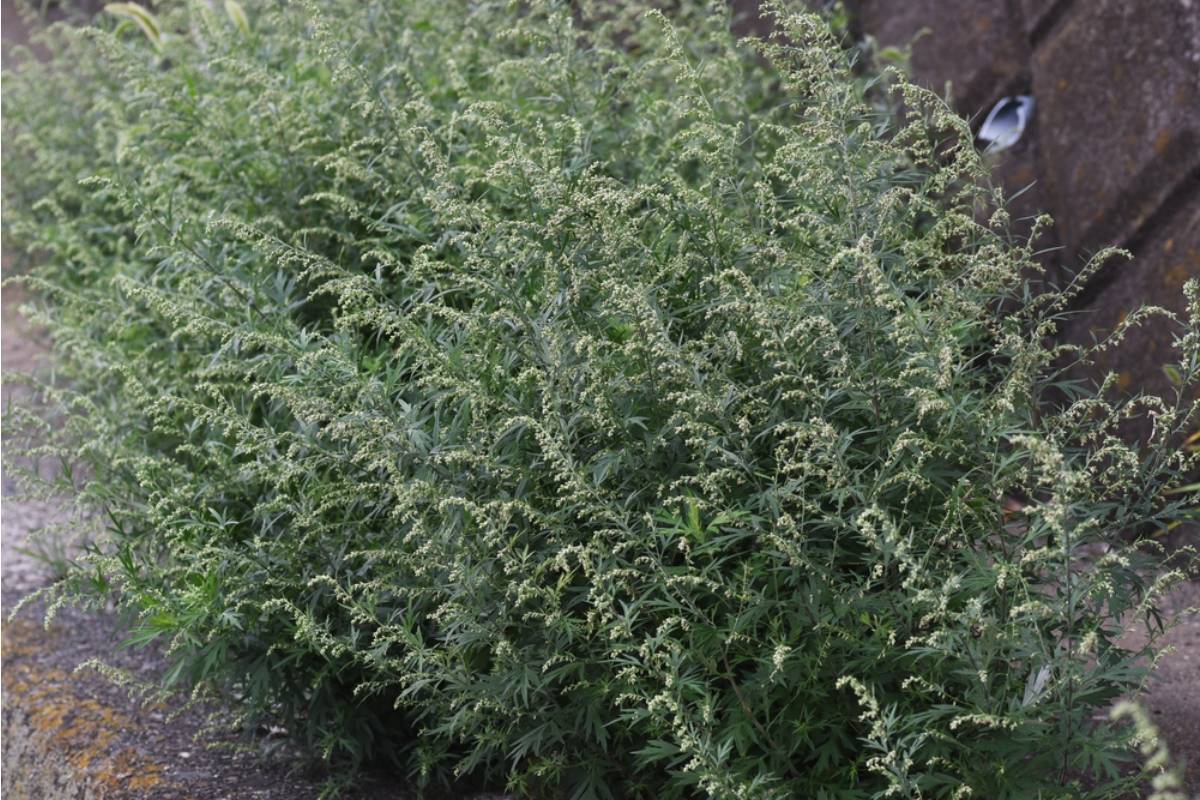
At first, it looked like just another plant enjoying a sunny corner of the yard. The homeowner barely paid attention until the shape of the leaves triggered a familiar memory. When he looked closer, he realized his neighbor had been growing cannabis in a large stainless steel tub that looked like something designed for livestock feed.
The Unexpected Plant Above the Fence
The discovery was especially noticeable because the container was positioned high enough for the plants to peek over the fence. From one yard, the garden might have looked completely ordinary, but from the other side, the unusual greenery was impossible to miss. It suddenly became the most interesting plant in the entire neighborhood for all the wrong reasons.
The homeowner said he had nothing against cannabis itself and admitted that he had used it before. His concern was not the plant sitting in a container, but the possibility that it was being grown outdoors despite local restrictions. What began as a gardening observation quickly became a question about rules, neighbors, and just how much trouble one unusual container plant could create.
A Plant With More Than Gardening Potential
The more he looked at the setup, the more convinced he became that there could be several plants growing there. He wondered whether the operation was larger than what local regulations allowed, although he did not know exactly how many plants were hidden behind the fence. Suddenly, his neighbor’s little container garden seemed to carry a lot more drama than an average backyard vegetable patch.
There was another complication that made the situation feel even more personal. The homeowner said a young child could see the plants from the other side of the fence, which made him uncomfortable about what was growing only a few feet away. The issue was no longer simply about someone else’s gardening choices, because the family felt the neighbor’s behavior was affecting how they used their own yard.
The Homeowner Considers His Options
That was when the homeowner began entertaining several possible ways to respond. He wondered whether he should report the plants, ignore them, or retaliate in a way that would make the neighbor realize she had been noticed. The strangest ideas were tossed around almost like revenge gardening, with the plant itself becoming the center of a neighborhood standoff.
One possibility involved damaging the plants, while another involved taking some of the crop and leaving behind a message. Neither option was especially peaceful, but both revealed how irritated the homeowner had become after years of conflict. What should have been a simple backyard discovery had turned into a mental tug-of-war between doing nothing and escalating the feud.
The Garden Dispute Gets Even More Complicated
A response from a person pointed out that involving authorities might not even produce the dramatic result the homeowner imagined. Another suggestion was to document what was visible first rather than rushing into action. The advice reflected a larger question that kept hanging over the situation: was the garden really worth starting another battle?
That question hit the homeowner harder than expected because he already knew how unpredictable the relationship had become. He admitted that living beside the neighbor was miserable enough without adding another confrontation to the list. The possibility of making matters worse was easy to imagine, especially when both properties were separated by little more than a fence.
Why the Fence Suddenly Mattered So Much
The fence had always been part of the neighborhood tension, but now it had become an accidental viewing platform for the mystery garden. Anything growing tall enough could cross the visual boundary, even when the plants themselves remained entirely on one person’s property. That meant the homeowner could not simply pretend he had never seen them.
He explained that the plants were visible from his yard and even from his roof when he was cleaning the gutters. From his perspective, he was not snooping through a private garden so much as noticing something that had grown plainly above the boundary. Still, the discovery raised a strange question about where ordinary curiosity ends and getting involved in a neighbor’s private life begins.
Then Someone Challenged the Whole Idea
A response from a person took the opposite view and argued that the plants themselves were not hurting anyone. The person suggested that spraying or damaging them would be irresponsible because it could affect other vegetation nearby. Suddenly, the conversation shifted away from the neighbor’s behavior and toward the homeowner’s own proposed response.
That criticism forced him to explain why the plants bothered him in the first place. He insisted that the problem was not cannabis as a plant, but the illegal outdoor growing and the broader behavior he associated with his neighbor. In his mind, the container had become another chapter in an already exhausting story about living beside someone he did not trust.
The Child Was at the Center of the Argument
The homeowner repeatedly returned to the fact that a child could see the plants from the family side of the fence. He also described situations involving the neighbor using the cannabis that made the family uncomfortable about spending time outside. The garden had somehow crossed from being an eyesore into something that affected how they felt about their own backyard.
Not everyone agreed that this justified taking action. A response from a person questioned whether a child seeing a plant really required such a dramatic reaction, especially in a place where cannabis was legal under certain conditions. That disagreement added another layer to the story because the same garden could be viewed as either a harmless backyard crop or a serious boundary issue depending on who was looking at it.
Legal Gardening Rules Enter the Story
Later, the homeowner added an important detail about the local rules. He said that in California, residents could legally grow a limited number of cannabis plants, but the plants had to be cultivated indoors or in an appropriately secured area. According to his description, the outdoor container did not appear to fit those requirements.
That changed the conversation considerably because the dispute was no longer based only on personal annoyance. There was now a specific rule the homeowner believed his neighbor might be violating. Even so, proving a violation was one thing, while deciding whether to report it was another entirely.
The Biggest Problem Was Not the Plants
The homeowner’s real concern seemed to be what would happen after any complaint was made. He believed the neighbor would probably figure out who had reported her because the plants were most easily visible from his property. Instead of ending the problem, reporting it could potentially add a brand-new source of hostility.
That fear made the entire situation feel like a trap. Ignoring the plants meant continuing to live with something he considered unacceptable, while taking action could make an already difficult relationship even worse. The garden had become a symbol of a much larger neighborhood feud, and there was no obvious peaceful way to make it disappear.
Some People Suggested Getting Creative
A few responses took a joking approach and suggested that the homeowner could simply take advantage of the situation. Others argued that he should keep out of the neighbor’s affairs entirely and let the garden grow. The wide range of reactions showed how quickly a strange gardening discovery can turn into a debate about revenge, privacy, and neighborhood boundaries.
Yet the homeowner seemed less interested in the plant itself than in what it represented. Every leaf sticking above the fence reminded him of the larger problems he said had been happening since the neighbor moved in. What looked like a single container of greenery had become the latest reminder that his backyard peace depended on someone else’s choices.
Then Came the Question Nobody Could Answer
One response from a person offered the simplest advice of all: ask whether making a complaint was really worth the trouble that might follow. It was not a dramatic legal argument or an elaborate plan, just a warning that retaliation tends to create more retaliation. For a homeowner already dealing with constant neighborhood tension, that thought was difficult to dismiss.
The homeowner eventually admitted that he did not know what the right answer was. He joked that the situation was already terrible, making it hard to imagine how much worse it could become. The response that followed captured the problem perfectly by warning him never to ask that particular question, because sometimes a neighborhood feud has a surprising talent for finding a new level of chaos.
The Garden Became a Neighborhood Mystery
From a distance, the scene probably looked almost absurd: a large metal tub, tall plants, a dividing fence, and two households watching each other far too closely. But underneath the humor was a real disagreement about property, gardening rules, family boundaries, and how much responsibility neighbors owe one another. The plants were simply the newest characters in a story that had been developing for years.
The homeowner’s dilemma also revealed something familiar about gardening conflicts. A tree branch, a hedge, a flower bed, or a container garden can look harmless until it becomes part of a larger disagreement. Once emotions take root, even an ordinary backyard plant can grow into something much bigger than anyone expected.
In the End, the Plants Were Only the Beginning
The most interesting twist was that the cannabis plants were never really the heart of the story. The true conflict had already been growing between the two households long before those leaves appeared above the fence. The garden simply gave both sides another reason to look across the property line.
For the homeowner, the mystery plants represented yet another decision about whether to fight back or let the issue go. For everyone following the story, they became a reminder that backyard gardening can sometimes produce more than flowers, vegetables, and greenery. Sometimes, one unexpected plant is enough to expose an entire neighborhood’s worth of tension.
A Fence Can Separate Gardens Without Separating Problems
The story ultimately left the homeowner facing the same choice he had started with, only now with considerably more baggage attached. The plants were still there, the fence was still standing, and the difficult relationship next door had not magically disappeared. Whatever happened next, one thing was clear: this was no longer just a gardening problem.
It was a story about what happens when private yards become visible stages for public disagreements. The plants had grown naturally, but the conflict surrounding them had grown just as quickly. And in this backyard, the most troublesome thing taking root was never the greenery at all.