Gardener Says She Discovered a Neighbor Has Been Taking Photos of Her Prize Dahlias Every Bloom Season, Then Selling Framed Prints of Them Online Without Ever Mentioning Her Name
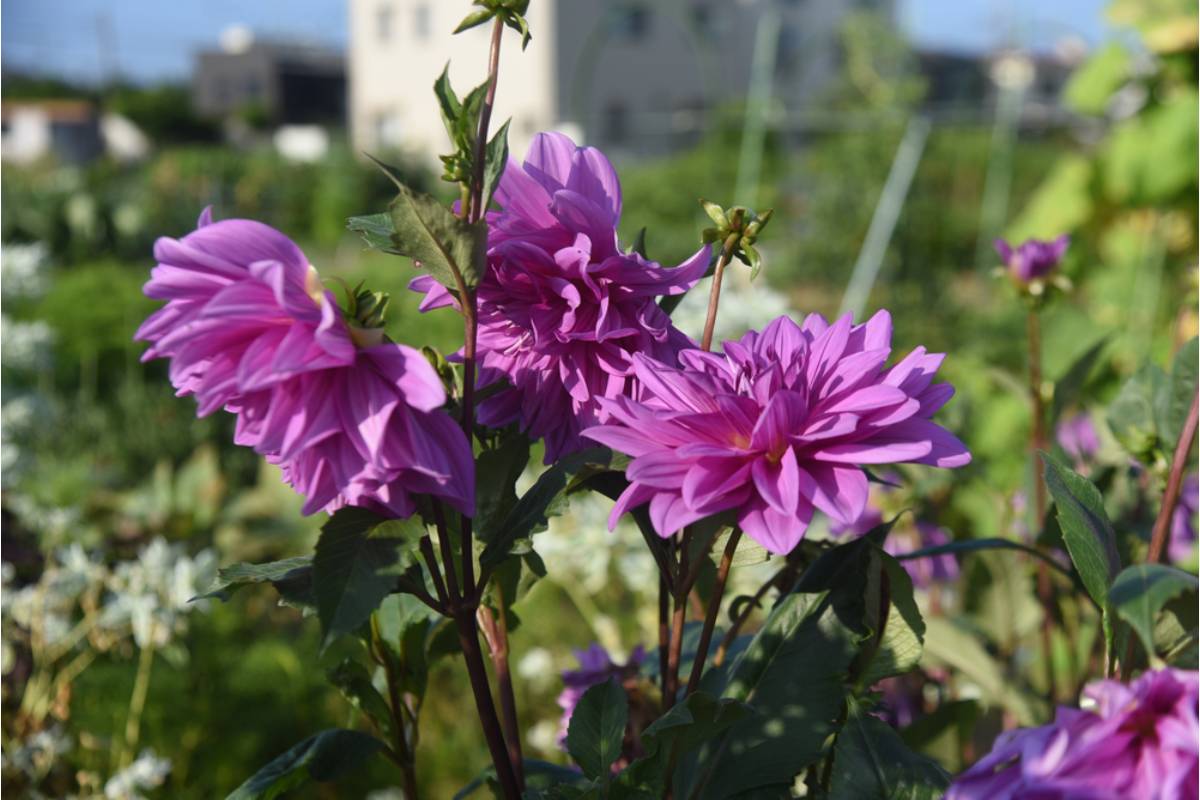
For nearly seven years, my backyard had become known for one thing above everything else. Every summer, rows of carefully grown dahlias burst into colors so vivid that neighbors often stopped during evening walks just to admire them through the open gate.
I welcomed visitors because I believed beautiful gardens were meant to be shared. People took photographs, asked questions about growing techniques, and sometimes returned later with family members who wanted to see the blooms in person. I never imagined those casual visits would eventually uncover a business built around my flowers without my knowledge or permission.
The Garden Took Years to Perfect
My fascination with dahlias began after inheriting a small collection of tubers from my grandmother. She had labeled every variety by hand, and I treated each one like a family heirloom. Every winter I carefully stored the tubers, divided healthy clumps, and planned the next season’s layout.
By the seventh year, the garden contained dozens of unique colors and petal shapes. Some blooms measured nearly the size of dinner plates, while others produced delicate layers that looked almost painted.
Familiar Faces Appeared Every Summer
One neighbor named Melissa often visited with a camera hanging around her neck. She introduced herself as someone who enjoyed photography as a hobby and asked whether she could take pictures from the walkway. I happily agreed because she never stepped into the flower beds or disturbed the plants.
She complimented the garden every visit and occasionally asked how I managed to grow such healthy blooms. Her enthusiasm seemed completely genuine.
The Camera Became Part of the Routine
As each blooming season arrived, Melissa returned several times a week. Sometimes she visited in the early evening when the flowers caught softer light. Other days she arrived after cloudy mornings, explaining that different conditions created different photographs.
I joked that she probably had more pictures of my garden than I did.
She laughed and replied, “You can never have too many flower photos.”
Friends Started Sending Strange Messages
One afternoon my cousin texted me a screenshot of a framed dahlia print she had found while browsing handmade home decor online. She wrote, “This looks exactly like your garden.”
At first I assumed many flowers naturally looked similar. Then I noticed a distinctive weathered copper watering can sitting in the corner of the photograph. That watering can had belonged to my grandmother.
It was unmistakably mine.
Curiosity Turned Into Concern
I searched the online shop mentioned in the screenshot and found dozens of framed flower prints. Many featured close up images of dahlias I immediately recognized by their unusual color patterns. One photograph even included a stone marker I had painted by hand years earlier.
None of the product descriptions mentioned where the flowers had been photographed.
Instead, they referred only to original botanical artwork available for purchase.
Small Details Confirmed My Suspicion
The more I looked, the more familiar details appeared. A handmade cedar trellis built by my brother stood blurred in the background of one print. Another image showed the exact curve of my garden path leading toward the greenhouse.
There was no longer any doubt.
Someone had built an entire collection around photographs taken in my backyard.
The Photographer’s Name Stopped Me Cold
When I clicked the seller profile, I recognized the name immediately.
It belonged to Melissa.
Her online biography described her as someone capturing breathtaking floral landscapes throughout the region. There was no mention of private gardens, generous homeowners, or the people who spent years growing the flowers featured in her work.
I Chose Conversation Before Conflict
Instead of posting angry comments or contacting the website immediately, I invited Melissa over for coffee. She seemed relaxed until I placed printed copies of her online listings on the table.
For several seconds she said nothing.
Finally, she admitted the photographs came from my garden but insisted she believed taking pictures from a place she had permission to visit meant she could sell the resulting artwork.
Another Surprise Came During the Discussion
While we talked, Melissa revealed something I never expected.
She had entered several photography exhibitions using images from my garden.
One of those photographs had even won a regional ribbon the previous year. Hearing that stung more than discovering the online sales because I had celebrated her success without realizing my own garden stood at the center of it.
Advice From an Artist Changed My Thinking
Unsure how to respond, I called a longtime friend who worked as a botanical illustrator. After listening carefully, she explained that photography often involved complicated questions about permission, artistic work, and private property. More importantly, she reminded me that the biggest issue was trust rather than recognition alone.
She asked one simple question.
“If Melissa had told you from the beginning, would you have supported her?”
I realized the answer was probably yes.
The Neighborhood Learned the Story
Word spread after Melissa quietly removed several listings from her online shop. Neighbors who had admired both the photography and the garden began asking what had happened. Rather than criticize Melissa publicly, I explained that we had simply disagreed about how the photographs should be used.
Several local artists joined the conversation and admitted they always asked permission before selling images taken on private property. The discussion became surprisingly thoughtful instead of hostile.
Melissa Made an Unexpected Proposal
A week later, Melissa returned carrying a portfolio and a written plan. She apologized for assuming that permission to photograph automatically included permission to build a business around the images. Then she suggested creating future collections together instead of separately.
Her proposal included clearly crediting the garden, sharing profits from future projects, and donating part of every seasonal collection to the local horticultural society that had taught many beginners how to grow flowers.
It was the first time she had truly considered the years of work behind every bloom.
The First Official Collection Looked Different
The following season, we planned every photo session together. Small signs welcomed visitors to the dahlia garden, and every framed print identified the flowers as part of a privately cultivated collection grown over many years. Melissa also included short stories describing how certain varieties had been passed down through my grandmother.
Customers responded warmly to the added history.
Many said they appreciated knowing there were real people behind the photographs instead of anonymous flowers.
The Garden Became Known for More Than Beauty
Today, visitors still arrive with cameras, but the experience feels completely different. Anyone hoping to photograph the flowers commercially simply asks first, and we discuss expectations before a single picture is taken. Casual visitors remain welcome because sharing beauty has always been one of my greatest joys.
Looking back, the photographs themselves were never the real problem. The missing conversation was. Flowers bloom for only a short season, but the trust between neighbors lasts much longer. Once honesty finally entered the picture, the garden became more than a place filled with colorful petals. It became a reminder that creative work grows strongest when everyone who helped create it receives the respect they deserve.