Nobody Warns First-Time Gardeners About What Happens to Their Soil After One Heavy Summer of Overwatering
The homeowner thought she had finally gotten the hang of gardening after a year of trial and error. The beds looked fuller than ever, the leaves were greener, and everything seemed to be thriving in a way that felt like success.
She watered regularly, sometimes a little too enthusiastically, because more care felt like better care. Friends even commented that her yard looked like it belonged in a magazine. But she did not notice that the soil beneath it all was slowly changing in ways she could not see yet. By the time the problem became visible, it was already well established underground.
The Early Confidence That Everything Was Working
At the start of summer, every new sprout felt like proof she was doing things right. She followed advice from online forums and adjusted her watering schedule whenever she thought something looked slightly dry.
The plants responded quickly, growing faster than they had the previous year. That early success built a sense of confidence that made her less cautious. She began assuming that consistency mattered more than restraint. Looking back later, she would realize that was the first mistake.
The Garden Hose That Never Really Got Put Away
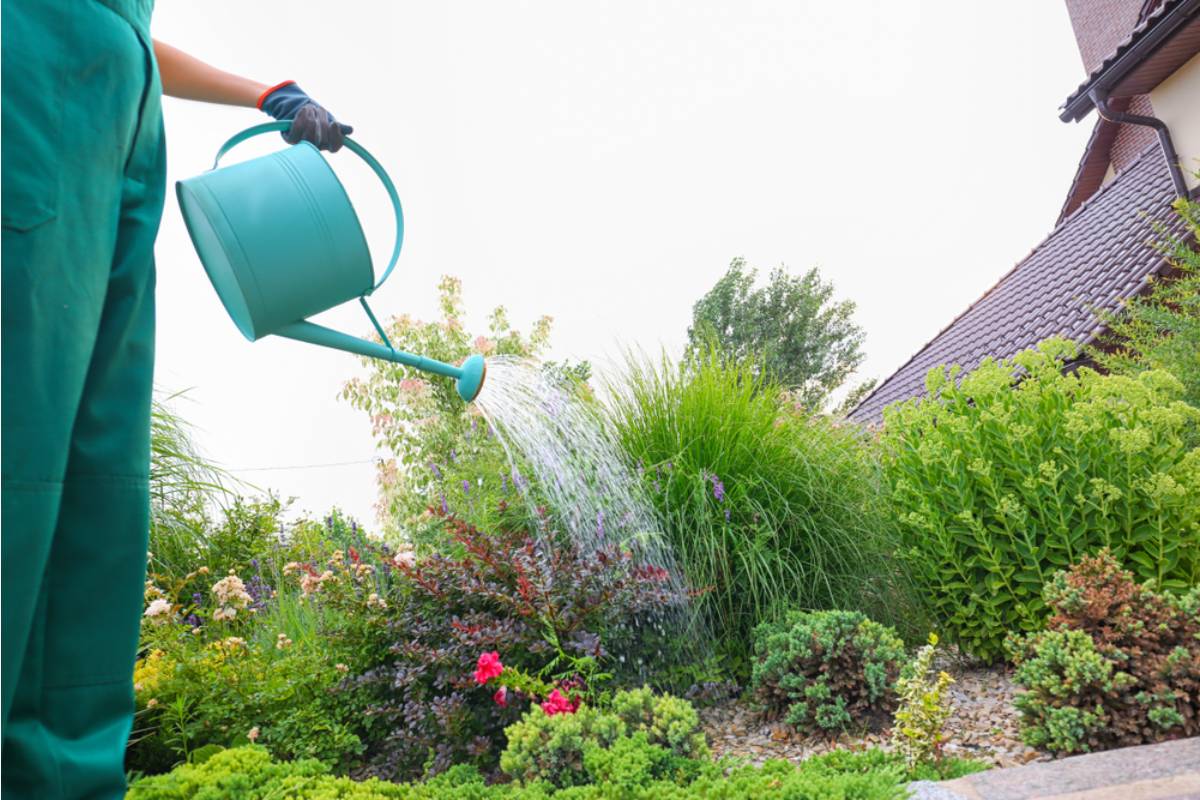
The hose became almost a daily habit, dragged out every morning without much thought. Even when the soil still felt damp, she would give it a light soak “just in case.” It felt harmless because nothing looked immediately wrong above ground. The plants stayed green, which reassured her that she was on the right track. But the soil was never given time to recover between waterings. It stayed in a constant state of saturation that went unnoticed.
The First Subtle Signs in the Flower Beds
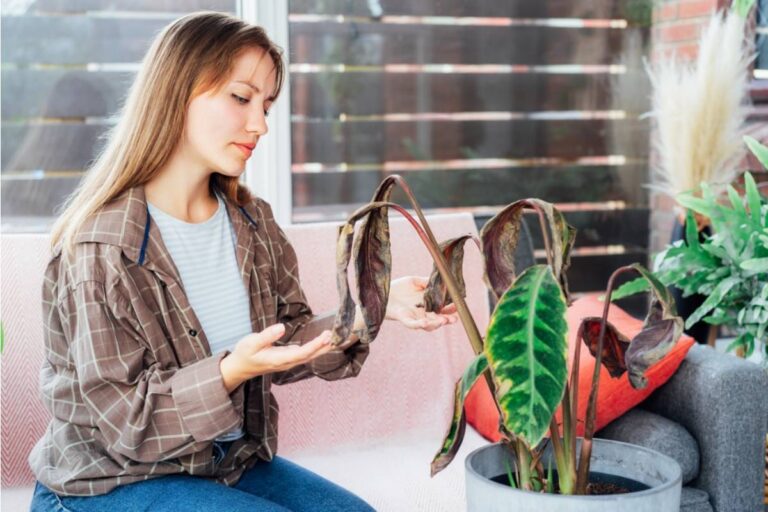
By mid-summer, a few flowers started to look slightly off, not dying but no longer as upright as before. She blamed heat waves or maybe fertilizer imbalance and adjusted other factors instead of water. Some stems leaned more than usual, and leaves developed a softer texture. Nothing looked serious enough to cause alarm on its own. Still, the garden no longer had the crisp structure it once had. It began to feel just a little too soft around the edges.
The Night of Continuous Rain That Changed Everything
One long stretch of heavy rain passed through the area, soaking the yard for days. She assumed it would only help the plants recover from the heat. Instead, puddles lingered in places she had never seen hold water before. The ground felt unstable when stepped on, almost sponge-like. Even after the rain stopped, the soil did not dry the way it normally did. That was the moment things quietly shifted underground.
The First Time Roots Pulled Up Too Easily
When she tried to adjust a leaning plant, it came out of the soil with almost no resistance. The roots were shallow, thin, and weaker than expected for something that had been growing for months. She tried another plant and got the same result. It did not feel like pulling a plant out of soil but lifting it out of mud that could not hold anything in place. That realization made her pause longer than she wanted to admit. Something about the ground itself had changed.
The Neighbors Who Noticed Before She Did
A neighbor walking by casually mentioned that her yard “looked softer than usual,” which she laughed off at first. But later another neighbor asked if she had changed her watering system because the soil seemed unusually damp even in dry weather. These comments began to stack in her mind. She started paying attention in ways she had not before. The more she looked, the more uneven and heavy the ground appeared. What she had thought was healthy growth now looked suspiciously unstable.
The Advice That Came Too Late
She finally called a local nursery for help, describing the symptoms as best she could. The employee asked a few simple questions and quickly identified the likely issue as overwatering over time. They explained how constant moisture can suffocate soil structure and reduce oxygen flow to roots. It was not something that happens instantly but builds quietly beneath the surface. By the time it becomes visible, damage is already widespread. That explanation made her earlier confidence feel misplaced.
The Attempt to Dry Things Out
She stopped watering completely and even tried loosening the soil manually in a few areas. At first, nothing seemed to change, as if the ground had lost its ability to reset. Some plants perked up slightly, but others continued to weaken. The soil still felt dense and heavy no matter how much she disturbed it. It was like trying to fix something that had already settled into a new state. The garden no longer responded the way it used to.
The Collapse of the Herb Section
One section of herbs that had been thriving suddenly began to fail all at once. Stems that were strong days earlier now drooped without recovery. When she checked the roots, many had started to rot at the base. The smell of damp soil had turned slightly sour in places, which she had never noticed before. That section became the clearest sign that something systemic had gone wrong. It was no longer individual plant issues but a shared environment problem.
The Soil That No Longer Held Shape
She picked up a handful of soil and watched it fall apart too easily in her hand. It no longer formed the loose structure she remembered from the beginning of the season. Instead, it clumped in wet fragments that refused to stay balanced. Even after drying for days, it did not return to its earlier texture. It felt exhausted in a way she did not expect soil to feel. The foundation of the garden was no longer reliable.
The Conversation With an Experienced Gardener
A retired gardener from the neighborhood stopped by and immediately noticed what was happening. He pointed out the compaction and lack of oxygen as soon as he stepped into the yard. He explained that overwatering often creates a false sense of progress before collapse begins underground. His tone was not judgmental, just familiar with the pattern. He said many first time gardeners go through the same cycle without realizing it. Hearing that made the situation feel less isolated but no less frustrating.
The Decision to Rebuild Instead of Rescue
After trying multiple fixes, she realized not everything could be restored quickly. Some beds would need to be completely reset before they could support healthy growth again. She started removing plants that could not recover and set them aside for possible replanting later. The garden looked emptier than it had in a long time, but it also felt honest in a new way. There was no longer any pretending that things were fine. It became clear that rebuilding the soil itself was now the real project.