Homeowner Says His Neighbor Has Been Letting Her Cleaning Service Rinse Chemical Buckets Directly Into a Drain That Empties Beside His Garden Beds
For years, my backyard garden was the place where I escaped from everything else. After long days at work, I would spend evenings tending vegetables, checking seedlings, and improving the soil in my raised beds. I grew tomatoes, peppers, herbs, and flowers without using harsh chemicals because I wanted a healthier environment for my family.
The garden was not just a hobby. It was something I had built slowly over time through patience and careful attention. That routine changed when I started noticing unusual problems near the edge of my property, where water from a neighboring drainage area flowed toward my garden beds.
The First Signs Something Was Wrong
The first thing I noticed was that a few plants near the back corner of my garden started looking unhealthy.
The leaves on my basil plants turned yellow, and several young pepper plants stopped growing despite receiving the same sunlight and water as the others. I checked for insects, soil problems, and watering issues, but nothing seemed to explain the sudden changes.
At first, I assumed I had simply made a mistake with my gardening routine.
Looking Closer at the Drainage Area
The affected plants were located near a small drainage channel that ran along the side of my fence.
During heavy rain, water from neighboring properties moved through that area before leaving the neighborhood. Normally, it was never a concern because the flow was just rainwater.
However, when I inspected the area more closely, I noticed a strange chemical smell near the drain opening.
A Conversation With My Neighbor
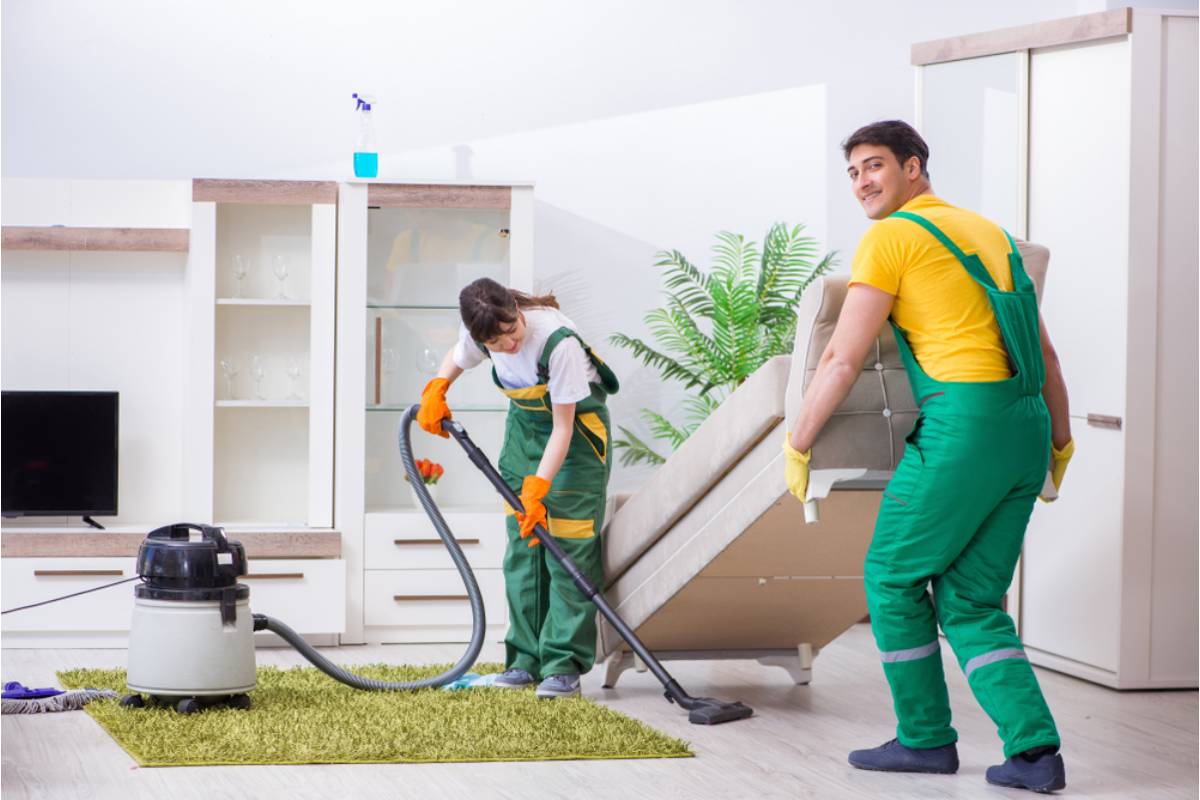
My neighbor, Susan, lived directly beside me and had recently hired a professional cleaning service for her home.
One afternoon, I mentioned the smell and asked if anything unusual had been washed into the drainage area.
She looked surprised.
“I don’t think so,” she replied. “The cleaners just do their normal work.”
Her answer did not sound dishonest, but it also did not explain what I was finding near my garden.
Watching the Cleaning Crew Arrive
A few days later, I happened to be working outside when the cleaning company arrived.
I noticed the workers carrying several large buckets from Susan’s house. After finishing their work, one employee walked toward the side yard where the drain was located.
From a distance, I watched as the person rinsed the inside of the buckets directly into the drainage opening.
I immediately stopped what I was doing.
Confirming What I Had Seen
I did not want to accuse anyone based only on one observation.
The next time the cleaning crew arrived, I paid attention again. Once more, the workers brought their used containers outside and rinsed leftover liquid into the same drain.
This time, I recorded the activity from my own property so I could remember exactly what happened.
The issue was no longer a suspicion.
Asking the Cleaning Crew Directly
After they finished, I approached one of the workers near the fence.
“Can I ask where that water goes after it enters the drain?” I said.
The worker looked confused.
“It just goes away,” he answered.
I explained that the drainage area flowed toward my garden beds and that I was concerned about what chemicals might be entering my soil.
He said he would mention it to his supervisor.
The Neighbor’s First Reaction
That evening, I spoke with Susan.
I showed her the video and explained what I had discovered. I tried to keep the conversation calm because I did not want a disagreement between neighbors.
Her reaction surprised me.
She immediately became defensive.
“They’re a professional company,” she said. “They know what they’re doing.”
I told her that professionalism did not automatically mean every disposal method was safe.
Researching the Problem
Instead of continuing the argument, I decided to learn more.
I contacted my local environmental office and asked whether cleaning chemicals should be discharged into drainage systems near residential gardens.
The response was clear. Certain cleaning products could harm plants, soil organisms, and nearby waterways if improperly disposed of.
They recommended preventing any chemical runoff from entering areas where it could affect landscaping.
The Damage Becomes More Visible
Over the next few weeks, more plants near the drainage area began struggling.
The herbs closest to the runoff path were the first to suffer. Some leaves developed unusual spots, while others stopped producing new growth.
I removed samples of damaged soil and compared them with soil from other parts of my yard.
The difference was noticeable.
A Second Conversation Turns Serious
I approached Susan again, this time with information from the environmental office.
“I am not trying to blame you,” I explained. “I just need this to stop before more damage happens.”
She listened more carefully than before.
After seeing the evidence and understanding the possible effects, her attitude began to change.
The Cleaning Company Gets Involved
Susan contacted the cleaning company and asked them about their disposal practices.
The company representative initially claimed the workers were following standard procedures. However, when Susan showed them the video, the representative admitted that the crew should not have been rinsing chemical containers into that drainage area.
They promised to retrain the employees.
Repairing the Garden Damage
Stopping the runoff solved the immediate problem, but my garden still needed attention.
I replaced damaged soil near the drain and replanted several areas. Some plants recovered, but others had already been affected too severely.
Susan offered to help restore the damaged section.
I appreciated the gesture because it showed she finally understood the impact.
A Meeting With the Neighborhood
After hearing about the situation, several neighbors started asking questions about their own cleaning services.
Many people assumed professional workers automatically followed environmentally safe practices.
A small neighborhood discussion formed around proper disposal methods, yard drainage, and protecting shared spaces.
The situation became a lesson for everyone nearby.
A Different Relationship With My Neighbor
Susan and I did not become close friends overnight, but our relationship improved.
She apologized for dismissing my concerns at first and admitted she should have investigated instead of defending the company immediately.
I told her I appreciated that she eventually took responsibility.
The disagreement could have created a permanent conflict, but honesty changed the outcome.
Building a Better Drainage Solution
Later that year, Susan and I worked together on a simple improvement.
We installed a small barrier system near the drainage area to reduce the chance of future runoff reaching my garden beds. We also agreed to communicate immediately if either of us noticed a problem affecting the shared boundary.
The solution was practical and prevented future misunderstandings.
What the Garden Taught Me
My garden eventually recovered, although a few plants had to be replaced completely.
The experience reminded me that small actions can create bigger consequences than people expect. Something as simple as rinsing out a bucket can affect soil, plants, and neighbors when the water has nowhere else to go.
I also learned that solving problems requires more than proving someone is wrong. It requires giving people a chance to understand the impact of their choices.
Today, I still spend evenings in my garden, checking new growth and caring for the plants I rebuilt. The drainage area that once worried me is now something I pay attention to, not because I expect another problem, but because I understand how connected every backyard really is. What happens on one side of a fence does not always stay there. Sometimes it flows quietly into someone else’s life.