Homeowner Says His Backyard Garden Became a Neighborhood Meeting Spot, Now He Can’t Step Outside Without Someone Stopping to Chat
When Daniel Ruiz started planting vegetables in his small suburban backyard outside Columbus, Ohio, he never imagined it would become the unofficial center of the neighborhood. What began as a weekend hobby slowly turned into a lush garden overflowing with tomatoes, cucumbers, peppers, and herbs. At first, neighbors would just wave over the fence or ask for advice.
But within a single growing season, the constant attention shifted from friendly curiosity to something Daniel couldn’t escape. Every time he stepped outside, someone was already there waiting.
The First Tomato That Started Everything
It began with a single heirloom tomato plant Daniel’s coworker had given him. He planted it in a sunny corner of his yard and didn’t think much of it. By midsummer, the plant was producing large, unusually sweet tomatoes that caught the attention of anyone walking by. One neighbor, Mrs. Holloway from two doors down, reportedly asked if she could just “taste one real quick.” Daniel agreed without hesitation. That simple moment, he would later say, was the beginning of everything.
A Fence That Stopped Being a Barrier
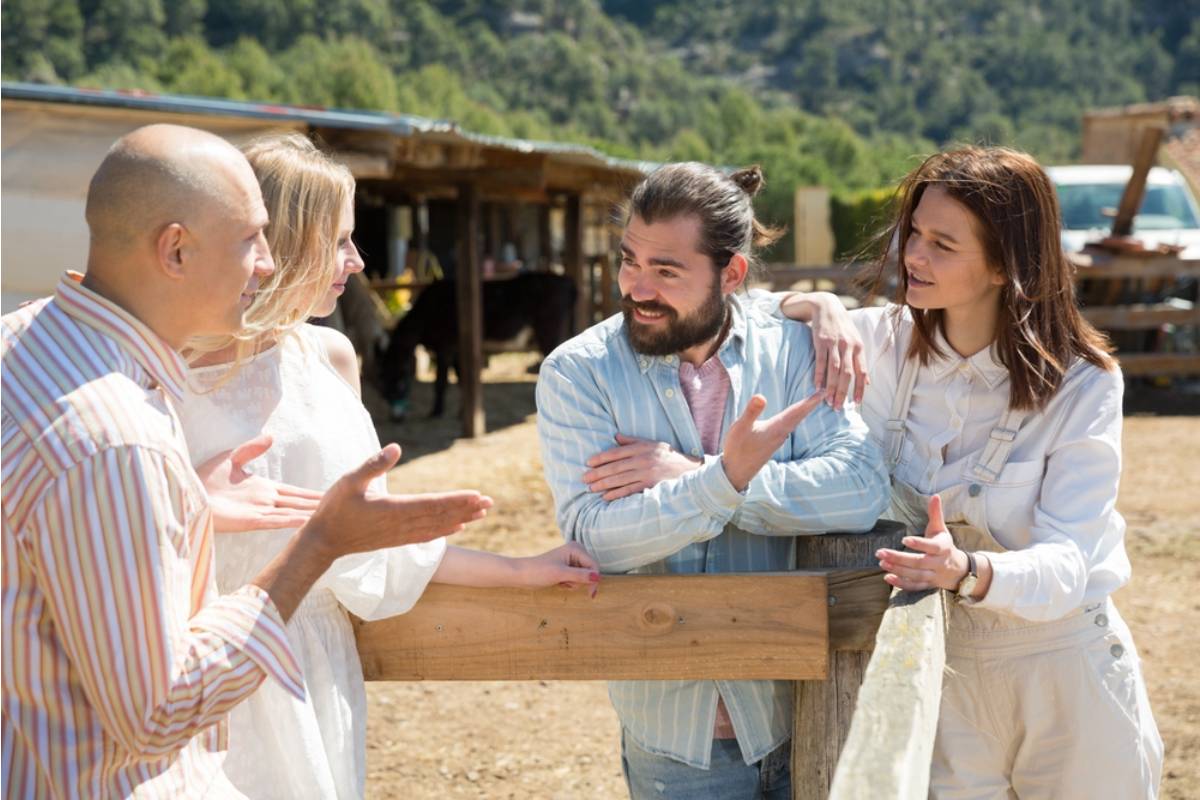
Within weeks, neighbors were regularly stopping at Daniel’s fence to talk about his garden. Some asked for tips, others just wanted to watch him work. Daniel didn’t mind at first and even enjoyed sharing what he knew. But soon, people were lingering longer, leaning on the fence as if it were a community bench. He started noticing that even when he wasn’t gardening, someone was always nearby. The fence, once a boundary, had become a gathering point.
Weekend Mornings Lose Their Silence
Daniel used to enjoy early weekend mornings outside with coffee and quiet. That routine changed quickly. Now, Saturdays often began with neighbors calling his name before he even stepped outside. One morning, he opened his back door to find three different families already gathered near his raised beds. Someone had brought folding chairs without asking. Another had brought pastries, saying it felt “like a nice place to hang out.”
The Garden Group Chat Nobody Invited Him To
According to Daniel, he later discovered a neighborhood group chat had formed around his garden. He wasn’t in it at first. People were reportedly sharing updates like “tomatoes are ripening” and “Daniel might harvest peppers this weekend.” One neighbor even joked about scheduling visits to “catch the cucumbers at their peak.” When Daniel was eventually added, he said it felt less like inclusion and more like being monitored.
The First Time He Tried to Say No
After a long work week, Daniel decided he wanted a quiet Saturday. When neighbors started arriving, he politely told them he wasn’t up for company. The reaction surprised him. People looked disappointed, even confused. One neighbor reportedly said, “But we always come by on Saturdays.” Daniel stood his ground and stayed inside. The silence that followed outside felt heavier than expected.
A Knock That Didn’t Stop Coming
Later that same day, Daniel heard repeated knocks on his back gate. It wasn’t aggressive, but it was persistent. Someone was asking if everything was okay and whether he needed help in the garden. Daniel eventually stepped out just to make it stop. The neighbors acted relieved, as if his absence had signaled a problem. He later said it felt like his personal space had turned into a shared responsibility.
The Garden Tour That Wasn’t Planned
The situation escalated when a neighbor posted photos of Daniel’s garden online, calling it a “hidden neighborhood gem.” By the following weekend, strangers from nearby streets began showing up. Some assumed he was hosting informal garden tours. Daniel reportedly tried to explain that it wasn’t an event, but people still wandered through asking questions and taking photos. One visitor even brought a notebook to write down plant names.
Children Turning It Into a Play Area
Families began bringing children who treated the garden like an open park. Kids pointed at vegetables, asked questions loudly, and sometimes picked herbs without asking. Daniel tried gently explaining where they could and couldn’t go, but parents often brushed it off, saying the garden was “educational.” The noise and activity increased every weekend. What had once been a peaceful space now felt like a small public attraction.
A Neighbor Suggests “Official Hours”
During one particularly busy Saturday, a neighbor suggested Daniel set “official visiting hours” for the garden. The idea was met with immediate enthusiasm from others nearby. Daniel, however, reportedly felt overwhelmed by the suggestion that his personal space needed scheduling. He explained that it was still his backyard, not a community garden. The comment reportedly shifted the mood, and several people quietly left.
The Gate Starts Staying Closed
After that weekend, Daniel began keeping his gate closed more often. At first, he felt guilty every time he did it. But he noticed fewer unexpected visitors stepping in unannounced. Some neighbors still knocked, but many respected the change. The garden returned to a quieter rhythm, though not as peaceful as before.
An Unexpected Apology at the Fence
One evening, Mrs. Holloway stopped by again, this time alone. She reportedly apologized for how things had escalated, saying she didn’t realize it had become intrusive. Daniel appreciated the gesture and admitted he had struggled to speak up earlier. They talked for a while about boundaries and expectations. It was the first conversation in weeks that didn’t feel like an interruption.
Finding Balance in a Shared Curiosity
Over time, Daniel adjusted how he engaged with neighbors. He set clear limits on when he was available to chat and when he wasn’t. The garden still drew attention, but the unplanned gatherings slowed down significantly. Some neighbors continued visiting, but now they asked first. Daniel says he still enjoys sharing his harvest, just on his own terms. And while the backyard never returned to complete solitude, it finally stopped feeling like it belonged to everyone else.