Fall-Bearing Raspberries Cut All the Way to the Ground This Fall Ripen 1 to 2 Weeks Sooner Next Year, Iowa State Says, at the Cost of the Summer Crop
A patch of fall-bearing raspberries gives gardeners a choice every year, and late fall is when one version of that choice can be made. Iowa State University Extension says fall-bearing red raspberries can be cut all the way to the ground in late fall. Doing so gives up the small summer crop, but the late summer and early fall crop ripens about one to two weeks sooner, and the total harvest is larger than with the two-crop approach.
For gardeners who mostly want a heavy, early-fall picking, the shears can come out once the canes are done for the year.
Why These Raspberries Can Fruit Twice
Fall-bearing raspberries, also called primocane or everbearing types, fruit on canes in their first year. The berries form near the top of the new canes in late summer and fall. If those canes are left standing, the lower parts fruit again the next June or July before the canes die.
That habit is what makes two crops possible. A column by Skagit County master gardeners for Washington State University Extension describes cutting the fall-bearing canes back to about five feet after the fall crop so the bottom half fruits the following early summer. Once that summer fruit is picked, those old canes come out at ground level, and the new canes carry the next fall crop on their top halves.
The same column notes that removing the whole cane after the fall crop means only one crop the next year.
What Cutting to the Ground Changes
The one-crop method trades the summer berries for a better fall. In its answer on whether red raspberries can be pruned to the ground in late fall, Iowa State says yes, either in late fall or early spring. The summer crop, which forms on the lower parts of second-year canes, is lost. In exchange, the late summer and early fall crop comes in about one to two weeks sooner, and the total yield is larger than in the two-crop system.
Mary Concklin, extension educator emerita at UConn and owner of Raspberry Knoll Farm in North Windham, Connecticut, lays out the same single-crop system for primocane raspberries in her bramble presentation. Her instruction is short: “Mow/cut all canes down to ground.”
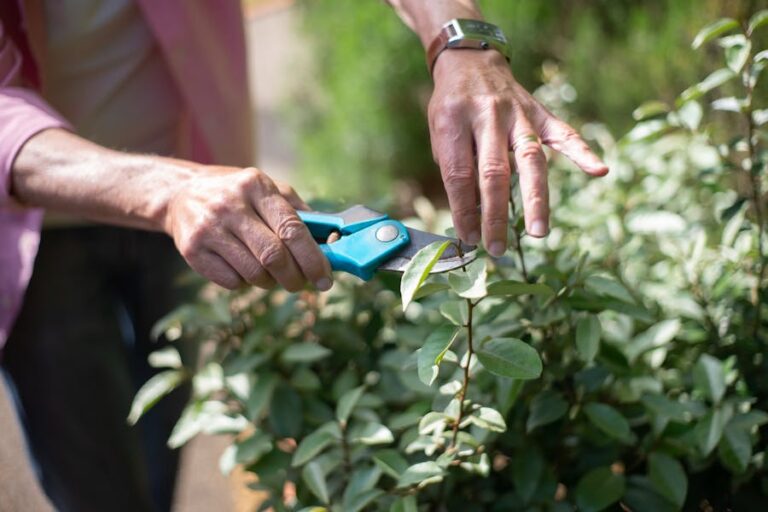
Mowing is a practical option in a big patch. In a small backyard row, loppers or hand pruners do the same job. Either way, the cut should be at the soil line, not a few inches up, so no old cane is left to fruit.
Late Fall or Late Winter
Not every extension service does this cut in November. Iowa State’s guidance on late-winter pruning puts the job in March or early April for gardeners who wait, and notes that cutting all canes to the ground still gives a larger total yield than keeping two crops. Iowa State horticulturists repeat that late winter or early spring works for the single-crop method too.
Oregon State University Extension recommends the same cut for a late-summer-only crop in late February or early March, while plants are dormant.
The difference comes down to schedule and tidiness. Cutting in late fall gets the job done before winter and leaves the bed clean. Waiting until late winter is just as acceptable under Iowa State’s guidance. What matters most is that every cane comes down before new growth starts in spring.
For Gardeners Who Want Both Crops
Gardeners who would rather have summer berries too should not cut everything now. Iowa State’s two-crop method waits until March or early April. At that point, weak, diseased or damaged canes are removed at ground level, the largest and most vigorous canes stay, and roughly the upper one-third of each remaining cane is removed.
Oregon State describes a similar two-crop routine: in winter, remove only the tips that fruited last fall, which look grayer and dead. The lower parts fruit in June and July, and those canes come out after that harvest.
Keeping the Row in Check
Whatever pruning method a gardener picks, red raspberries need boundaries. They sucker heavily, and Iowa State recommends keeping the planting in a hedgerow one to two feet wide, destroying shoots that come up outside that band with a rototiller or spade. Oregon State suggests a row about 12 inches wide.
Cutting to the ground in late fall makes that work easier to see. With the old canes gone, the edges of the row are plain, and any wandering suckers that come up next spring are easy to spot and remove before they turn the bed into a thicket.
For gardeners still cleaning up the rest of the yard this month, the raspberry bed is one job that can be finished in a single afternoon, and the payoff comes a week or two earlier next fall.
Get stories like this by email. Sign up for The Parent Diaries Letter.
This article was produced with AI assistance and edited for accuracy against the sources linked above.
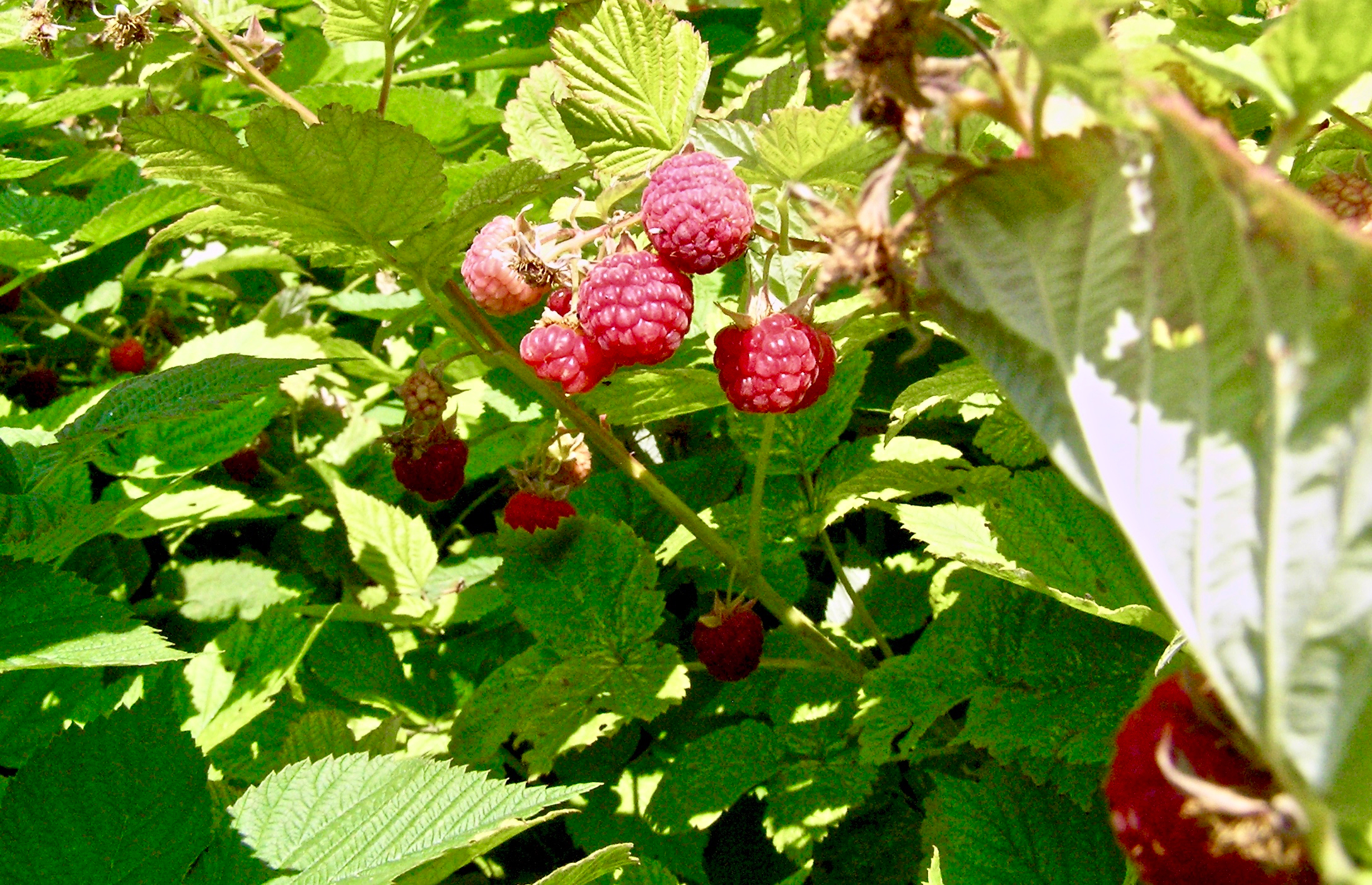
Image: Montanabw – CC BY-SA 4.0/Wikimedia Commons