A 12-Ounce Mug of Road Salt Can Cover a 20-Foot Driveway, and UW-Madison Extension’s Bruce Spangenberg Says Plants Within 30 Feet Take the Damage
A coffee mug is a useful measuring cup for winter. UW-Madison Division of Extension horticulture outreach specialist Bruce Spangenberg says a 12-ounce mug of salt can be enough to treat a 20-foot driveway or 10 sidewalk squares, and that plant damage typically shows up within 30 feet of salted roads, driveways and parking lots.
Spangenberg’s guide, posted Nov. 17, 2025, is an annual-style reminder rather than new research. Other extension programs say much the same, and the advice applies before the first snow.
Why a little salt goes a long way, and a lot goes too far
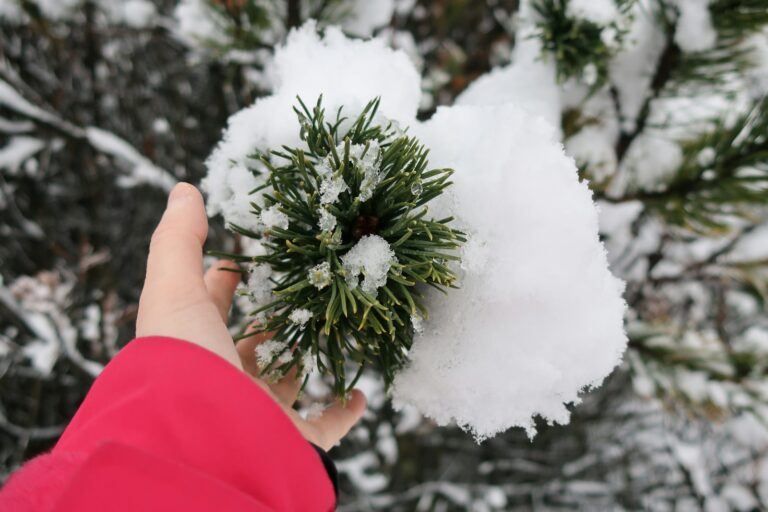
Spangenberg explains that common rock salt, sodium chloride, harms plants in two ways. Chloride builds up in the soil and is taken up by roots, causing dieback, while sodium can break down soil structure. Salt spray from roads can also cause witches’ brooms, dense clusters of twigs, on deciduous trees and browning on evergreens.
In residential areas, he says, soil salt accumulation causes most of the damage, and it is often mistaken for other problems. That is part of why the 30-foot figure matters: a shrub bed along a driveway is inside the zone even when it never sees road spray.
Using less salt on the driveway
The first step Spangenberg lists is to shovel or plow before spreading anything. After that, apply only what is needed and scatter it so grains have space between them, which is where the mug measurement comes in. Mixing salt with sand for traction reduces the amount needed.
Illinois Extension horticulture educator Ken Johnson gives the same coffee-mug figure, citing the Salt Smart initiative: about 12 ounces of salt is enough for a 20-foot driveway. He adds that one teaspoon of salt can pollute five gallons of water. His other tips include spreading salt evenly rather than in clumps, sweeping up leftovers once surfaces dry, and using extra care after March 1, when plants begin leafing out.
Piles, screens and alternatives
Where the snow goes matters as much as where the salt goes. Spangenberg recommends planning snow piles away from vegetation that salty meltwater could reach. Purdue’s Landscape Working Group likewise says not to shovel salted sidewalk residue onto shrubs or ground covers, and suggests clean cat litter, sand or sawdust for traction.
For plants close to a road, Spangenberg suggests temporary burlap screens. Alternatives such as calcium chloride, magnesium chloride or calcium magnesium acetate cost more, he says, but Purdue notes that sodium salts are the most common and least expensive deicers and the most likely to harm plants. Gypsum is sometimes suggested to counter salt, Spangenberg adds, but it works only where soil drains well, and soils near roads often drain poorly.
What salt damage looks like
UMass Extension’s Mandy Bayer and Geoffrey Njue describe the symptoms to watch for: browning needle tips, bud death, twig dieback, delayed bud break and witches’ brooms. Damage often does not appear until late winter or spring, and some soil effects show up months or years later. Their fact sheet adds that late-winter applications generally cause more harm than early-winter ones, and that salt-laden snow piled onto lawns and beds can cause a physiological drought by reducing the water roots can take up.
The fact sheet lists salt-tolerant choices for tough sites, including juniper, white spruce, Colorado spruce, mugo pine, white oak, northern red oak and rugosa rose. It also names sensitive plants, including red maple, sugar maple, common boxwood, eastern white pine, pin oak and eastern hemlock, and cautions that salt tolerant does not mean injury free. Michigan State University’s Bert Cregg adds in a salt damage article that choosing tolerant plants is the best long-term approach, and that burlap screens keep spray off sensitive ones.
Where damage can be undone
Plants often recover if the damage is not extensive, Johnson writes. He suggests rinsing salt-sprayed plants promptly and watering heavily in spring to flush salt from the root zone. Cregg notes that salt spray travels farther with higher traffic speeds, and that because prevailing winter winds come from the north and west, trees on the east and south sides of a road often receive heavier salt loads.
Pulling the sources together, the pre-season routine is brief: measure salt with a mug, clear snow before salting, keep piles off beds, screen roadside shrubs with burlap and, when replanting, move salt-sensitive species away from the 30-foot zone.
This article was produced with AI assistance and edited for accuracy against the sources linked above.
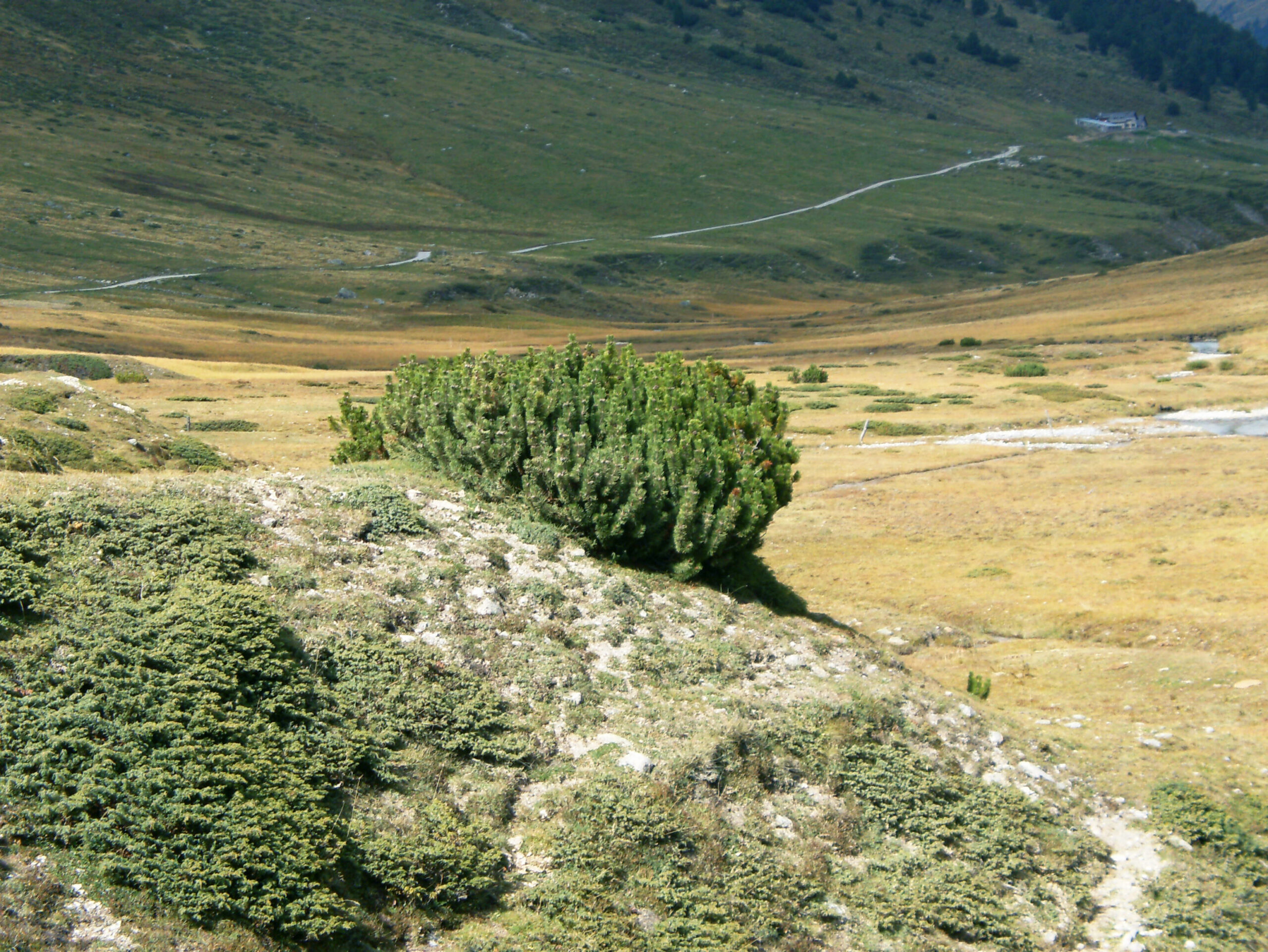
Image: “Pinus mugo, near Alp Astras, South of S-charl, Lower Engadin, Switzerland” by Chris.urs-o, licensed CC BY-SA 3.0, via Wikimedia Commons.