New Jersey Homeowners Have to Put the Lawn Fertilizer Away on Nov. 15, and the State’s Blackout Keeps It Off the Grass Until March 1
Frozen ground is the reason New Jersey gives for shutting down lawn fertilizer every winter, and for homeowners the shutdown starts on Nov. 15. According to the Ocean County Soil Conservation District, fertilizer cannot go on a lawn after Nov. 15 and before March 1 in any calendar year. That leaves 11 days from today to spread the last bag.
The rule is part of the state’s fertilizer law, and it applies to the bag in the garage, not just to the lawn companies. Here is how the blackout works, what is still allowed, and what the same law asks of homeowners for the rest of the year.
Two Deadlines, One March 1 Restart
New Jersey sets two different cutoffs. Homeowners stop on Nov. 15. Commercial applicators get a little longer: the soil district says they must finish late-fall nitrogen or phosphorus applications by Dec. 1, and products containing nitrogen or phosphorus cannot be applied again until March 1.
Both groups restart on the same day. A radio report from New Jersey 101.5, published Dec. 23, 2024, described the same split, with the blackout beginning Nov. 15 for private homeowners and Dec. 1 for commercial lawn services and ending March 1.
The Barnegat Bay Partnership’s page on fertilizers says the law was signed Jan. 5, 2011. It also notes that homeowners should not fertilize when the ground is frozen or saturated, or right before or during heavy rain, which applies on any date.
What Can Still Go on the Lawn
The blackout targets nitrogen and phosphorus. The soil district says potassium products, lime and compost may still be applied during the blackout. A Rutgers news release from November 2013, when the home-lawn restrictions took effect, says fertilizers with only potassium or other nutrients besides nitrogen and phosphorus are legal during the blackout, and that lime is not restricted.
The rule is written around lawns and turf, which is why the exceptions matter. That means a homeowner who wants to spread lime on the lawn this winter is not breaking the blackout, while a bag with a nitrogen or phosphorus value above zero on its label is off the table until March 1.
Why Winter Grass Does Not Need Feeding
The Rutgers release gives the reason: nutrients applied to frozen ground cannot soak in, so they wash into waterways with rain or melting snow. Fertilizer that cannot soak in has nowhere to go but downhill.
Tim Dillingham, executive director of the American Littoral Society, told New Jersey 101.5 that the law aims to reduce fertilizer runoff, and that the grass is “dormant and really don’t need feeding at that time.” A lawn that has stopped growing cannot use the nitrogen, so the nutrients are more likely to wash away than to be used.
The Barnegat Bay Partnership describes where that nutrient load ends up. Runoff and groundwater carry excess fertilizer into the bay, where the nutrients feed algae and phytoplankton. That process, called eutrophication, can lower oxygen levels, make the water cloudier, reduce seagrass and change which plants and animals live there.
The Rules That Apply All Year
The blackout is only one piece of the law. The Barnegat Bay Partnership lists several more that apply to homeowners whenever they fertilize:
Turf fertilizer must contain at least 20 percent slow-release nitrogen, and the soil district notes that it should contain no phosphorus unless a soil test shows a need. Nitrogen is limited to 0.9 pounds per 1,000 square feet per application and 3.2 pounds per year.
Fertilizer should stay at least 25 feet from water bodies, or 10 feet if a drop spreader is used. The same figures appear in the Rutgers-hosted New Jersey Water Savers municipal guide, which adds that application is also prohibited on impervious surfaces and frozen ground.
Fertilizer that lands on a driveway or sidewalk should be swept up. The soil district’s page on the state’s fertilizer laws also says to avoid applying before, during or after heavy rain, or when the ground is saturated.
A Soil Test Before Spring
With the blackout running to March 1, the months in between are a practical time to find out what a lawn actually needs. The soil district and the Barnegat Bay Partnership both recommend a soil test through Rutgers, which shows which nutrients are low and helps avoid applying more than the grass can use.
That also lines up with the phosphorus rule. Because New Jersey turf fertilizer is supposed to be phosphorus-free unless a soil test shows a need, the test result is what decides whether a bag with phosphorus on the label is allowed at all.
Professionals work under the same calendar. The Rutgers release and the municipal guide both point to training and certification for professional applicators, and the guide adds that the law decreases the total nitrogen in fertilizer and requires turf products to be at least 20 percent slow-release nitrogen. Anyone who hires a lawn service can ask the company when its last fall visit falls, since the soil district says professionals must finish late-fall applications by Dec. 1.
Homeowners who want to spread one last application before Nov. 15 can still do so under the current rules, provided the ground is not frozen or saturated and no heavy rain is on the way. After that date, the spreader stays in the shed until March 1. For more on how other states handle the same cutoff, Maryland’s Nov. 15 rule and the year’s last mowing are covered in earlier stories.
Get stories like this by email. Sign up for The Parent Diaries Letter.
This article was produced with AI assistance and edited for accuracy against the sources linked above.
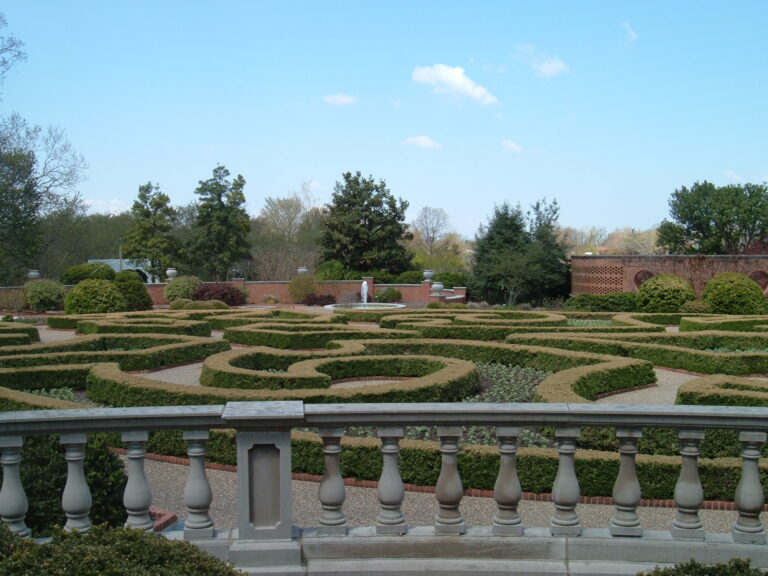
Image: Famartin / Wikimedia Commons, CC BY-SA 4.0