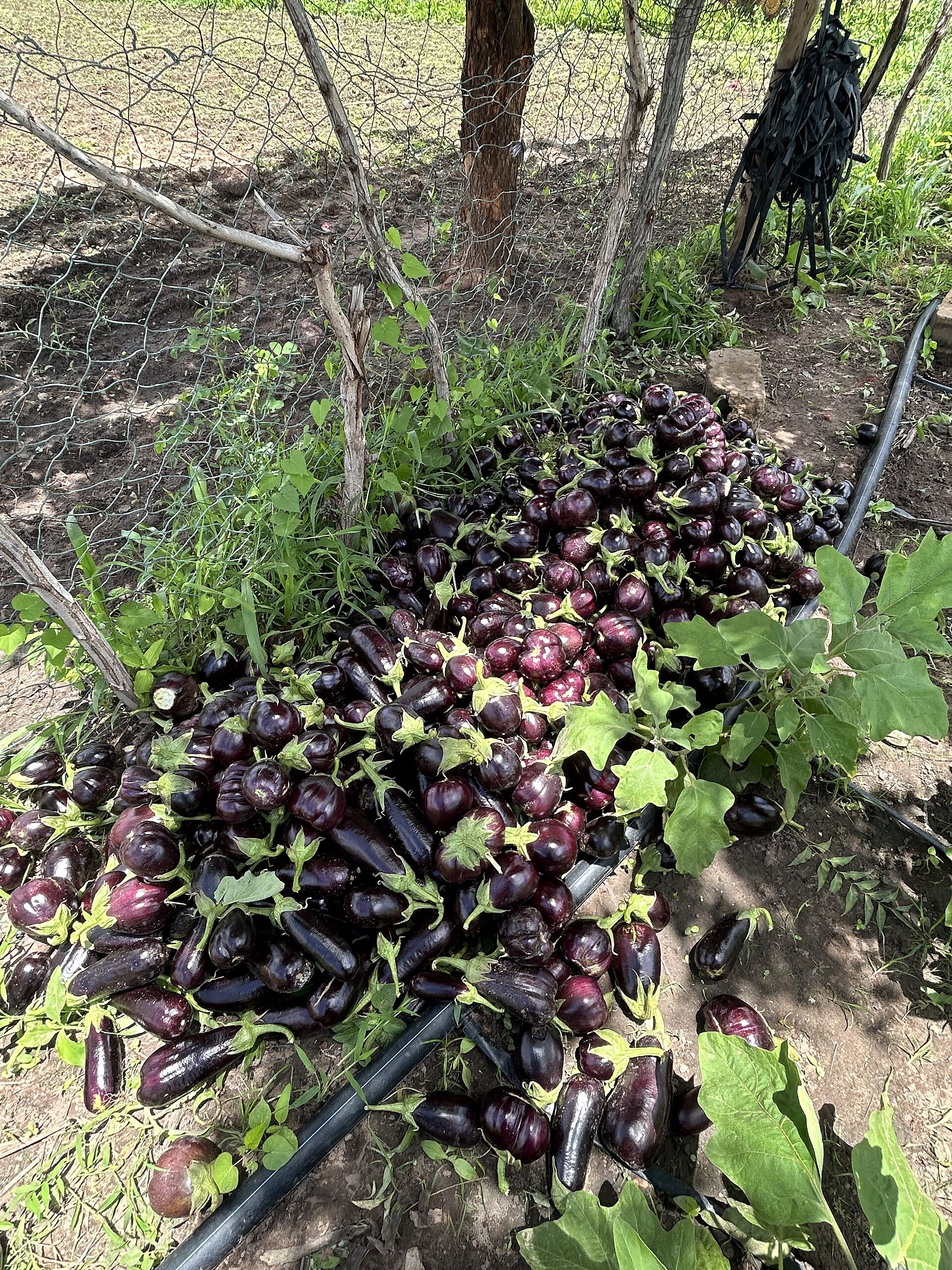
Jennifer Langston’s Tomatoes Struggled, but Her Eggplants Produced So Much She Shared Them With Neighbors, Oregon State’s Seed to Supper Graduates Report
Under a covered shelter at Nadaka Nature Park, near the Portland-Gresham border, a group of gardeners from the Seed to Supper course sat at picnic tables on Sept. 12 and took turns naming their biggest success, their biggest challenge and the lesson that built the most confidence. Jennifer Langston’s answers were split down the middle: her tomatoes, normally reliable, struggled this season, while her eggplants produced so much that she offered the extras to neighbors. The gathering for graduates of the beginner course included certificates of completion, and Oregon State University Extension described the day in a Nov. 4 story by Chris Branam.
Eggplants for the Neighbors, Tomatoes Not So Much
Langston had gardened for years before joining the class, according to the OSU Extension story. This season the weather made her question some of her practices, but hearing classmates describe similar problems restored her confidence. She said she drew ideas from gardeners working in apartments and small spaces, and from visits to other gardens.
Squirrels, at least, left her tomatoes alone but raided her sunflowers. Langston said she felt good to be in a community of people who love gardening and want to learn more.
Ellen Gehringer, an OSU Extension Master Gardener volunteer, led the discussion with the three questions. She noted that the season can continue into cooler weather with crops such as carrots, kale, onions and garlic, and she suggested cover crops or mulch for finished beds.
Shannon Lambert, a Master Gardener volunteer and instructor, said the course follows food through the whole gardening cycle. She said she loves teaching it because it stays focused on what each student wants to eat. Kim Butchereit, an education program assistant with the Metro Area Master Gardener Program, presented certificates of completion and encouraged students to keep in touch with OSU Extension.
Squirrels, Mildew and Cracked Tomatoes
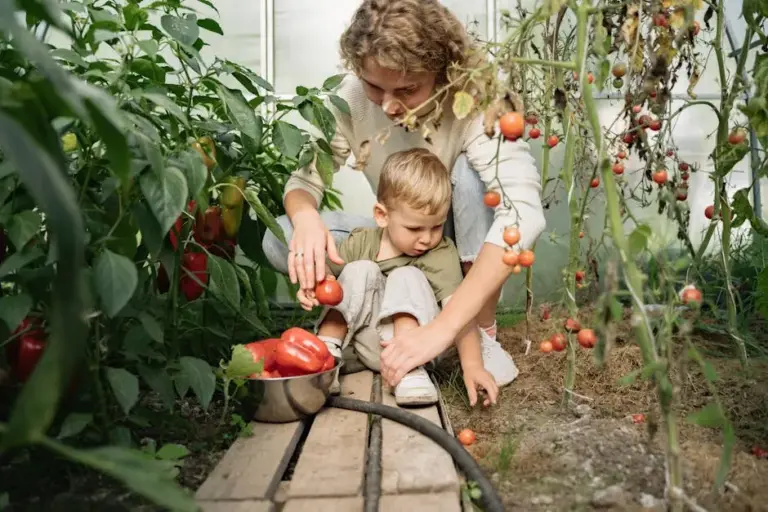
Other graduates had their own mixed seasons. Aria Juchmes reported productive shishito peppers and enough basil for plenty of pesto, and she found the lessons on regenerative gardening and soil especially useful. Her squash was both a success and a challenge: it produced well, but powdery mildew appeared. To beat the squirrels, she picked tomatoes as soon as they showed color. Juchmes said the course helped her understand what she is doing and feel more confident making choices in the garden.
Jose Lira moved beyond familiar plants by trying new peppers and flowers, and he learned that different crops need different amounts of water and care. Lira said the students helped each other, and that a lot can be learned from everybody.
The class traded a longer list of troubles and wins, the story said. Some squash resisted pests, new pepper varieties did well and lettuce thrived. Sunflowers were raided by squirrels. Tomatoes cracked after late-season rain. Mole tunnels disturbed roots and caused losses, slugs and squash bugs were a challenge, and underground crops gave few clues about when to harvest.
Lambert said she plans for wildlife to get a share of the harvest, estimating it at “somewhere in the 10% to 20% range.” She also taught blanching, which is a brief boil followed by an ice bath, before freezing vegetables, and advised labeling every package with its contents and date. “Even if it’s just: green beans, September 2026,” Lambert said.
The story also passed along harvest advice from the class. Carrots can be checked as their shoulders emerge from the soil, dry beans should stay on the plant until the pods turn brown and dry, and harvesting carefully avoids damaging the plant. Surplus can be saved by drying herbs, pickling peppers or picking produce as it ripens.
What Seed to Supper Is and Who Runs It
Seed to Supper is a free, six-week beginning gardening course from OSU Extension for adults who want to grow part of their own food on a limited budget, according to the program’s page. The curriculum is designed for the maritime Pacific Northwest, Plant Hardiness Zone 8b, and is available in English and Spanish under the title Siembra la Cena. Classes are taught through community groups such as food pantries, food banks, places of worship and prisons, and the program prioritizes people with low incomes who are most likely to face food insecurity.
The Sept. 12 group met under a partnership between OSU Extension Master Gardener volunteers and Outgrowing Hunger, a Portland-area nonprofit. The course was co-created with the Oregon Food Bank, which previously administered it, and OSU Extension now runs the program entirely.
A May 2026 OSU Extension impact report on the Portland area said participants reported lower grocery costs and better access to fresh produce, along with more confidence growing herbs, vegetables and culturally important crops. Partner sites reported less social isolation and stronger community ties. Monthly classes continue at Nadaka Nature Park and the Parkrose Neighborhood Community Garden, the report said, and Multnomah County partners are already asking for programming in 2027.
The model works well beyond Portland. In an OSU Extension report on eastern Oregon courses, Sherman County’s two classes drew 19 participants in Rufus, and every survey respondent said the course gave practical knowledge and that they would recommend it. In Umatilla County, registration in Hermiston was capped at 54 with an average of 38 people per session. Surveys there showed participants felt more confident growing food and more connected to their community.
An earlier OSU Extension account from 2016 said the program began in Linn and Benton counties, that attendance was nearing 1,000 at that point, and that 92 percent of participants in the first cohort’s survey reported a lower food bill. The course also keeps spreading. The Eagle reported that the free course was returning to Columbia County in March.
This article was produced with AI assistance and edited for accuracy against the sources linked above.
Image: “Eggplant Harvest” by Bluebirdie9717 is licensed under CC BY 4.0 (Wikimedia Commons).