She Finally Built Her Dream Vegetable Garden, Then Her Neighbor’s Secret Nighttime Cat Turned the Raised Beds Into a Litter Box
A homeowner decided to turn her small backyard into something more useful after friends convinced her to try growing vegetables. What started as a casual gardening experiment quickly became her newest obsession, with the raised garden bed becoming the centerpiece of the yard. She was excited to watch everything grow and finally had an outdoor hobby she genuinely loved.
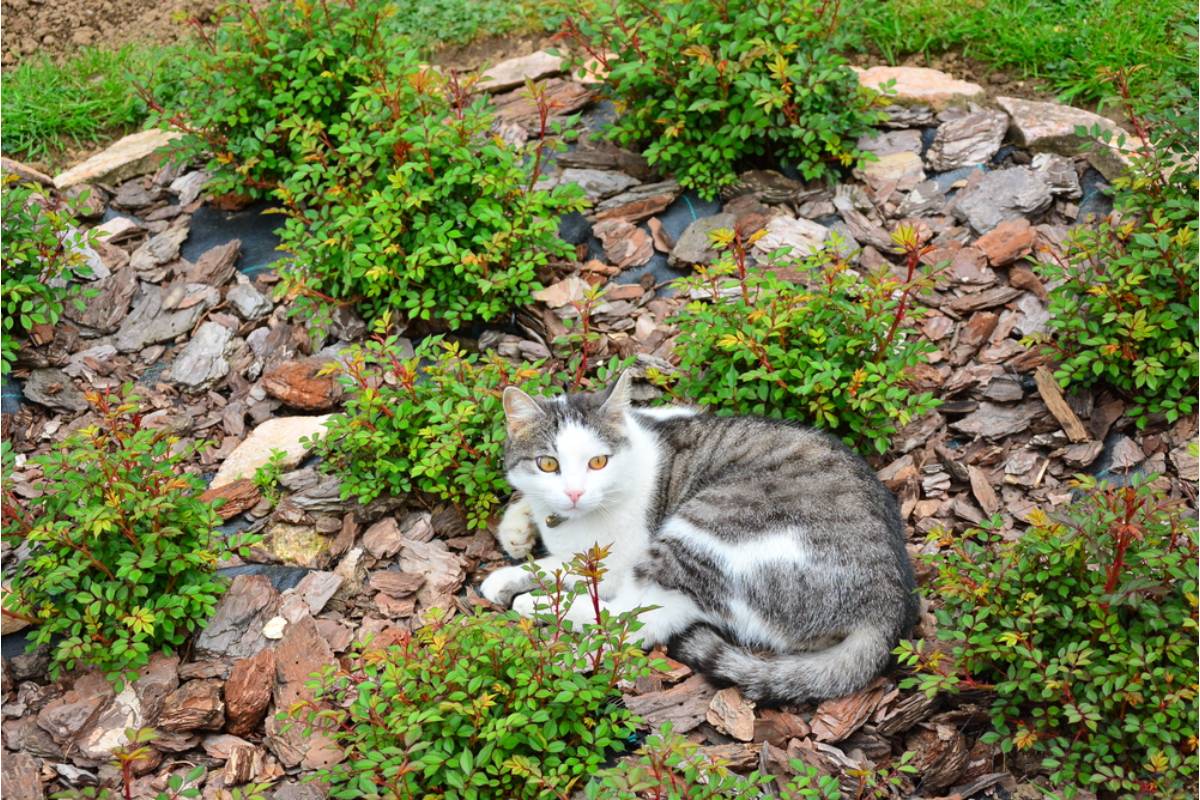
Then the garden developed an unexpected visitor problem. Her neighbor owned an indoor cat that apparently had very different ideas about what the raised beds were meant for. Before long, the carefully tended vegetable patch had become the cat’s favorite outdoor bathroom.
The Cat Chose the Worst Possible Bathroom
According to the homeowner, the neighbor allowed his cat to roam outside during the evening and overnight, even though she believed local rules and the community’s HOA required pets to be leashed outdoors. The cat quickly discovered that the soft soil in her raised beds was apparently much more appealing than anywhere in its own yard. Every new gardening session came with the possibility of finding fresh evidence that the cat had visited again.
For a gardener, that created a particularly frustrating problem. Raised beds are supposed to be places where vegetables grow, not places where neighborhood pets dig around and leave unpleasant surprises. She wanted to solve the problem quietly without immediately turning a simple cat issue into a neighbor dispute.
She Tried Everything Except Starting an Argument
Instead of confronting her neighbor right away, the homeowner experimented with several ways to discourage the cat from entering the garden. She tried cayenne pepper, citrus peels, and even motion-activated sprinklers placed around the yard. Unfortunately, the sprinklers apparently failed to activate when they were actually needed.
The failed experiments only made the situation more frustrating. Each solution sounded reasonable until the cat casually ignored it and returned to the raised bed anyway. At that point, the homeowner was running out of gardening tricks and patience at almost the same speed.
Then Three Stray Cats Joined the Night Shift
The problem became much bigger when three stray cats also started spending their nights around the property. Instead of dealing with one garden intruder, the homeowner suddenly had a small feline gathering treating her yard like a private campsite. Their favorite resting place turned out to be her white patio furniture.
That would already have been irritating, but the cats also left behind cat hair, stains, and dead frogs. The patio that was supposed to be a clean place to relax after gardening was becoming another chore she had to constantly clean. Her backyard was starting to feel less like a vegetable garden and more like an unofficial cat hotel.
The Patio Was Bad, But Her Allergies Made It Serious
There was another detail that changed the entire situation. The homeowner said she was severely allergic to cats, meaning the constant feline traffic was not simply annoying or inconvenient for her. Every evening visit created another opportunity for her to come into contact with animals she knew she reacted badly to.
Suddenly, keeping the cats away was connected to more than protecting lettuce or keeping patio cushions clean. She wanted to enjoy her own garden without worrying about allergy problems every time she stepped outside. What looked from the outside like a minor neighborhood complaint had become a genuine quality-of-life issue.
The Fence Was Supposed to Keep Them Out
The homeowner already had a fence surrounding the yard, but the cats had no trouble getting through or around it. That left her wondering whether replacing the fence would actually accomplish anything. Even worse, HOA restrictions meant she could only have a fence four feet tall.
For a determined cat, that did not exactly sound like an impenetrable garden fortress. She worried that spending money on a new fence would simply create an expensive obstacle the cats would hop over without hesitation. Her dream of a peaceful backyard was beginning to look like a battle against animals that specialized in ignoring boundaries.
Finally, She Decided to Speak to the Neighbor
After trying multiple deterrents, the homeowner finally did the one thing she had been trying to avoid. She approached her neighbor politely and explained what had been happening in the garden and around the patio. Rather than accusing him or starting an argument, she simply asked whether he could keep his cat out of her yard.
She also explained that her allergy made the situation especially difficult. The neighbor reportedly agreed that he would try to keep the cat away, which should have been the satisfying ending to the whole story. Instead, the homeowner immediately became worried about the social consequences of speaking up.
One Polite Conversation Suddenly Felt Like a Gardening Crime
After that conversation, she felt that her neighbor no longer liked her. He stopped speaking to her, and she began wondering whether she had crossed some invisible line between being a normal neighbor and becoming the person who complained about someone’s pet. The homeowner admitted that she felt awful because creating tension was exactly what she had hoped to avoid.
It is a strange feeling when asking for something completely reasonable makes you question yourself. She was not asking the neighbor to remove a tree or tear down a fence. She simply wanted to grow vegetables without a cat using her raised beds as a litter box.
A Response From a Person Suggested a More Official Solution
A response from a person pointed out that the homeowner had already tried multiple ways to keep the cats away before speaking to the neighbor. The person compared it to dealing with children repeatedly entering a yard and explained that eventually, even a polite homeowner has to say something. The basic message was that protecting your property does not automatically make you the grumpy neighbor.
Another response from a person took the same idea in a much more practical direction. They suggested using humane traps for the stray cats and taking them to an appropriate shelter or program that could check for identification. That suggestion opened up a completely new possibility for dealing with the growing cat population around the garden.
Then Someone Mentioned a Trap Program
The homeowner explained that she was already familiar with a local trap-neuter-return program. The program could lend humane live traps and arrange a schedule for bringing captured stray cats in. For someone dealing with several roaming animals, that suddenly sounded like a realistic way to reduce the nightly invasion.
But there was one enormous problem. She was afraid that the neighbor’s cat might wander into one of the traps by accident, creating an even more awkward confrontation between the two households. After finally speaking to the neighbor, she did not exactly want to find herself holding his cat in a trap the next morning.
Gardeners Had Plenty of Creative Cat Deterrent Ideas
The responses from other people quickly turned into a collection of gardening tricks. One person suggested covering problem areas with aluminum foil because many cats dislike walking across the unstable surface. Another described using inexpensive sticky vinyl flooring squares placed where cats were entering, saying the cats eventually stopped visiting.
Someone else suggested adding citrus-scented plants or using raised grids slightly above the soil. The idea was to make the garden uncomfortable for wandering paws while still allowing the vegetables to grow underneath. For a gardener, these suggestions offered a fascinating reminder that sometimes the best garden defense is simply making one patch of soil less inviting.
One Person Even Had an Unusual Planting Trick
A response from a person suggested planting citrus geraniums between lettuce and other crops. The idea was not to create a wall, but to make the garden itself less attractive to cats. Another suggestion involved placing metal mesh slightly above the soil on small supports so that plants could grow through it while cats avoided stepping onto the unstable surface.
That would fit particularly well in a vegetable garden where the goal is to protect growing space without turning the whole yard into a fortress. The homeowner had originally wanted a simple solution, and these ideas at least offered possibilities that could be incorporated directly into the garden. Ironically, the raised beds that had attracted the cats could potentially become the easiest place to experiment with natural barriers.
The Garden Had Become the Center of a Neighborhood Mystery
The strange part of the situation was how quickly a simple vegetable project had turned into a full neighborhood saga. First there was one secretive nighttime cat, then three strays, then patio furniture covered in fur and frog remains, and finally a homeowner wondering whether she was wrong for saying anything. Her little garden had somehow become the stage for all of it.
There was even an element of mystery in the way the neighbor’s cat kept appearing despite the homeowner’s attempts to block access. She had tried scents, sprinklers, fencing, and avoidance, yet the cat continued returning as though it had claimed the raised bed for itself. The gardener was trying to grow vegetables, while the cat seemed determined to grow a reputation.
Then Came the Twist No Gardener Wants
The biggest twist was that the homeowner was never really asking for much. She did not demand that her neighbor pay for the patio cleaning, replace the furniture, or rebuild the fence. She simply asked him to keep his cat away after every other reasonable attempt to solve the problem on her own had failed.
That made the neighbor’s apparent silence especially uncomfortable for her. She had spent so much time trying not to create conflict that the moment she finally spoke up made her feel like she had done something wrong. Meanwhile, the actual problem remained exactly where it had started: in the garden soil, underneath the cat’s paws.
The Real Battle Was Over Who Got to Enjoy the Backyard
For the homeowner, the issue was never really about disliking cats. She wanted to grow vegetables, sit on her patio, and enjoy the small backyard she had started caring about so enthusiastically. A garden takes time and attention, and having animals repeatedly dig through it can turn a relaxing hobby into another source of stress.
Her situation also showed how quickly outdoor spaces can become shared territory without anyone agreeing to share them. One person saw a raised bed full of future vegetables, while a roaming cat apparently saw a convenient litter box. Somewhere between those two interpretations sat a frustrated gardener trying to reclaim her own backyard.
In the End, the Garden Needed Boundaries
The homeowner’s story was ultimately less about being a difficult neighbor and more about what happens when a beloved garden becomes the easiest target in the neighborhood. She tried deterrents before speaking up, explained the problem politely, and even worried about accidentally catching the wrong animal in a humane trap. Her hesitation came from wanting peace, not from wanting to control someone else’s pet.
For gardeners facing a similar situation, the story offers an interesting lesson. Sometimes protecting a vegetable bed takes more than planting, watering, and waiting for harvest day. Sometimes the hardest part of gardening is convincing everything else in the neighborhood that your carefully prepared patch of soil is for tomatoes and lettuce, not midnight cat business.